
Introduction
3S POS is a leading EPOS provider in the UK hospitality space, offering a mix of point-of-sale, online ordering, kiosks and integrated payment solutions designed for restaurants and multi-location businesses. The system is also well known for its omnichannel capabilities meaning businesses can manage dine-in, takeaway and delivery from one system.
But the hospitality industry is evolving. Many operators are looking for alternatives that are faster to deploy, easier to use, more transparent in pricing, and stronger in cloud-based capabilities. Modern restaurants are moving to systems that simplify operations and provide strong capabilities for growth, analytics, and customer engagement.
Why Consider Alternatives to 3S POS?

While 3S-POS is a capable system with a solid foundation in hospitality operations, it may not be the best fit for all businesses, particularly those that prioritise flexibility, modern usability, and fast deployment without heavy technical involvement.

Today, most UK operators actively searching for 3S-POS alternatives UK restaurants hospitality are increasingly moving toward cloud-based POS systems. These systems are significantly easier to install and require minimal onboarding. They also reduce dependency on long implementation cycles or dedicated technical support teams, which is especially important for fast-moving pubs, cafés, and multi-site restaurant groups.
Another major shift in the hospitality industry is the growing demand for transparent and predictable pricing models. Operators prefer fixed monthly costs over complex, custom-quoted enterprise pricing structures. They also want to avoid hidden fees and long-term contract commitments that make cost forecasting difficult for growing businesses.
At the same time, restaurants and pub groups are no longer satisfied with standalone POS systems. Instead, they are actively looking for all-in-one hospitality platforms that combine payments, ordering, delivery management, kitchen operations, and customer engagement tools in a single ecosystem. This reduces reliance on multiple disconnected integrations that increase operational complexity and slow down service workflows.
1. Grafterr

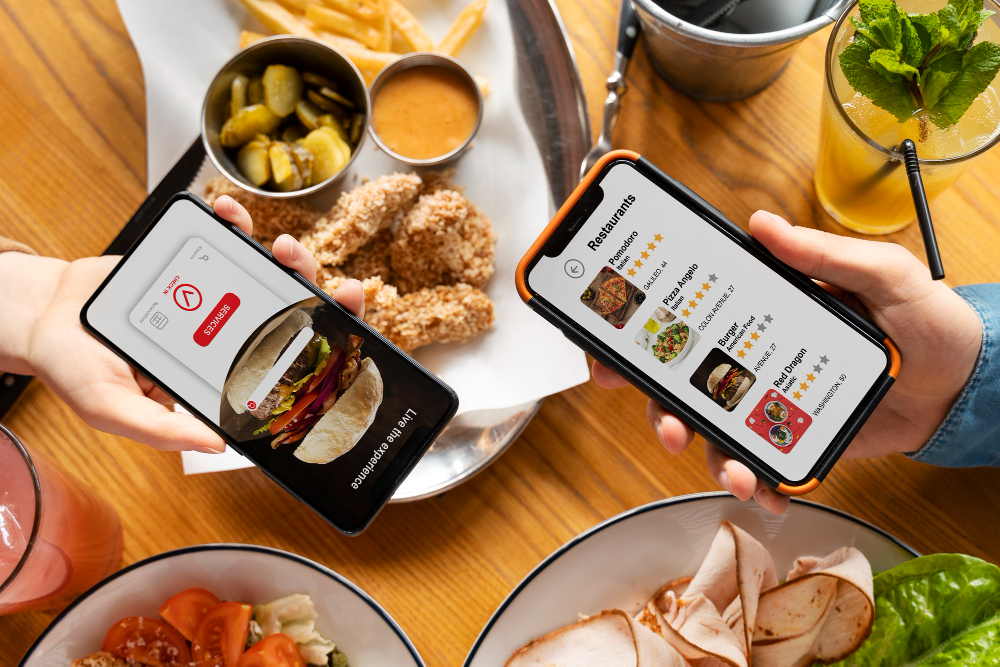
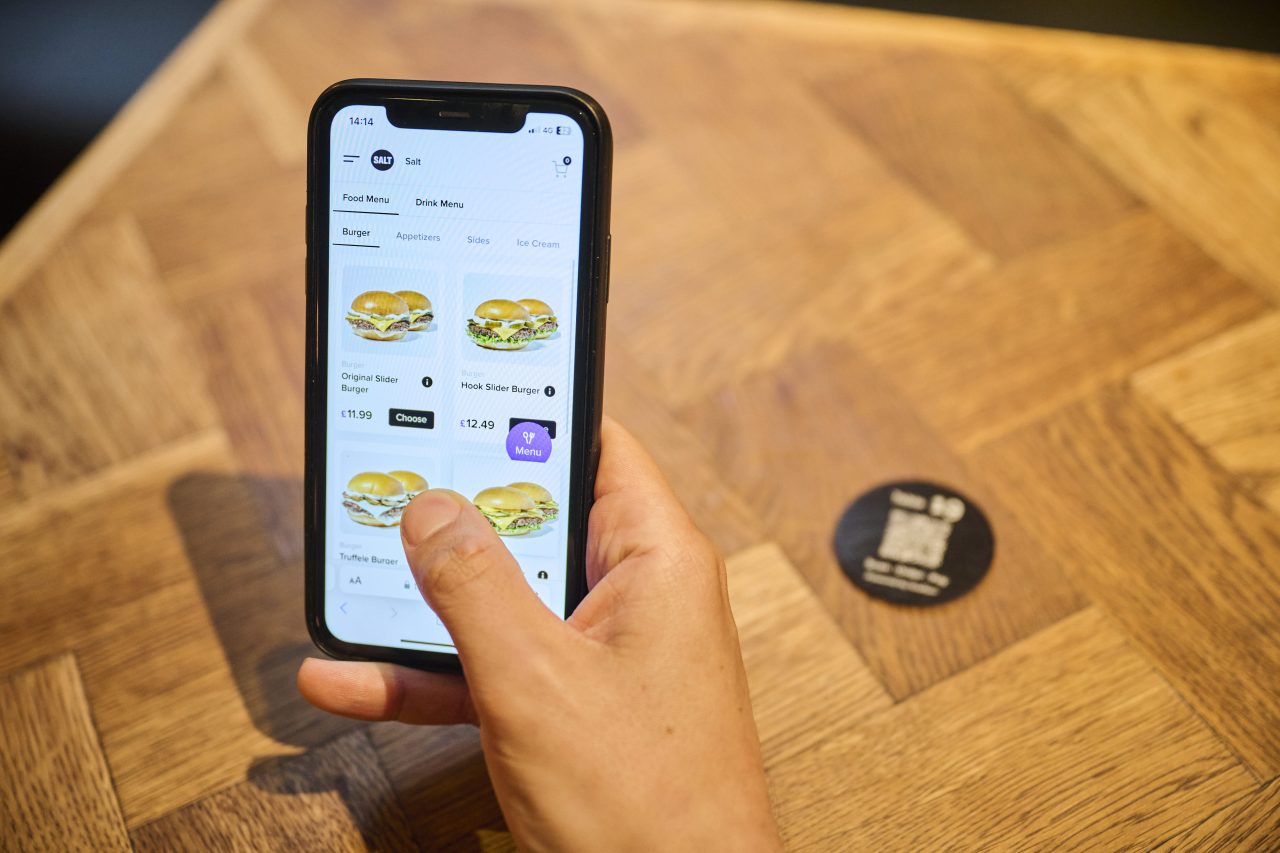
Grafterr is a modern, hospitality-first POS platform that unifies disjointed systems into one ecosystem built for restaurants, combining POS, payments, online ordering, QR ordering and delivery management.
Pros
- Grafter combines POS, QR ordering, online ordering, delivery management and payment processing into one connected platform, so restaurants don’t have to use multiple third-party tools and can greatly simplify their day-to-day operations.
- Transparent pricing, starting at £55/month for Standard and £75/month for Pro, ensures a cost-effective, yet feature-rich solution for small businesses and growing multi-location operators alike.
- The platform offers advanced tools including live driver tracking, stock and ingredient management, staff management, loyalty programs and marketing features, empowering restaurants to optimise operations and improve customer engagement.
Cons
- Being a newer platform than legacy providers it may not yet have the same brand recognition or long-standing market presence.
- Businesses that require very custom enterprise workflows might require more setup or consultation to get the system fully aligned with their specific operational needs.
2. Zonal

Zonal is a well-established UK-based provider of hospitality technology providing a fully integrated ecosystem of POS, bookings, loyalty, CRM and back-office operations for large-scale businesses.
Pros
- Zonal provides a complete end-to-end ecosystem that connects front-of-house and back-office systems, enabling hospitality groups to operate more efficiently across multiple sites with real-time data visibility.
- Its sophisticated reporting and customer insight capabilities allow businesses to gain a deeper understanding of performance, optimise operations and provide more tailored guest experiences at scale.
Cons
- The platform is more costly than current cloud-based options and as such less accessible to smaller restaurants or independent operators.
- The implementation can be complex and often requires dedicated onboarding, training and ongoing support to fully utilise its capabilities.
3. Epos Now

Epos Now is a popular cloud-based POS solution with integrated payments, hardware bundles and app integrations for retail and hospitality businesses.
Pros
- Epos Now has a complete POS ecosystem including payment processing, inventory management, reporting, and third-party app integrations. This makes it a flexible option for different business models.
- The platform provides flexible hardware options, including countertop systems and handheld devices, allowing companies to select a configuration that suits their operational needs.
Cons
- That first price might look good, but the add-ons, subscriptions, and payment processing. It can end up costing you big-time over time.
- Some of the advanced hospitality features may not be as fully developed as on more specialised restaurant-focused platforms.
4. Lightspeed Restaurant

Lightspeed Restaurant is a cloud-based POS platform built for hospitality businesses looking for advanced analytics, scalability, and multi-location management capabilities.
Pros
- Lightspeed has strong reporting and analytics tools that help restaurants track sales performance, inventory levels and make data-driven decisions to boost profitability.
- It’s built for multi-location operations with central control, advanced inventory management, and integrations, making it a great fit for growing restaurant groups.
Cons
- Pricing can be on the higher side, especially if you are adding additional modules, integrations and advanced features.
- Setting up the platform may take some time and technical knowledge in order to fully use its advanced features..
5. Tevalis

Tevalis is a UK-based EPOS company that focuses on hospitality businesses. It sells POS systems, kitchen display systems, and tools for managing restaurants and chains.
Pros
- Tevalis is made just for hospitality settings. It connects front-of-house and kitchen operations in a way that makes orders more accurate and speeds up service.
- It has centralized reporting and management tools that work for businesses with multiple locations, like restaurant groups and large companies.
Cons
- Pricing isn’t clear to the public, and most of the time, businesses have to ask for custom quotes. It makes it hard for small businesses to figure out how much things will cost up front.
- It can be hard to set up the system, and it may need special onboarding and training to work well.
6. Square

Square is a popular point-of-sale and payment system. It is easy to use, cheap, and quick to set up, especially for small businesses in the hospitality industry.
Pros
- Square gives businesses free POS software that includes payment processing. This lets businesses get started quickly without having to spend a lot of money up front.
- Its easy-to-use interface and quick setup make it perfect for small restaurants, cafes, and takeout businesses that need a simple answer.
Cons
- The platform doesn’t have any advanced kitchen workflows or delivery management tools, which are important for the hospitality industry.
- It might not work well for bigger or multi-location restaurant businesses that need more advanced features.
Conclusion
3S POS is still a strong and dependable solution for hospitality businesses. But it may not always meet the needs of modern operators who value simplicity, openness, and adaptability. There is a growing need for systems that are easier to use and work together as restaurants continue to use digital tools and operate on multiple channels.
Zonal and Lightspeed are good options for big businesses, while Epos Now and Square are good for small businesses because they are flexible and easy to use. Grafterr, on the other hand, is a well-rounded, all-in-one solution that offers modern features, low prices, and high operational efficiency. This makes it a great choice for UK restaurants that want to streamline their tech stack and grow their business.