Zonal is a popular option for big UK pub groups and enterprise restaurant chains, thanks to its robust reliability, advanced operational capabilities and long-standing position in the hospitality technology space. However, many operators in search of alternatives UK pubs restaurants are now gravitating towards modern cloud-based systems that offer faster deployment, better flexibility and more transparent pricing models that suit today’s fast-evolving hospitality environment.

As the industry moves to unified digital ecosystems, operators are increasingly prioritising platforms that combine POS, ordering, payments, delivery and customer engagement in a single system, rather than relying on heavy enterprise infrastructure with long implementation cycles.
Below are the 7 best alternatives to Zonal for UK pub and restaurant groups.
1. Grafterr POS

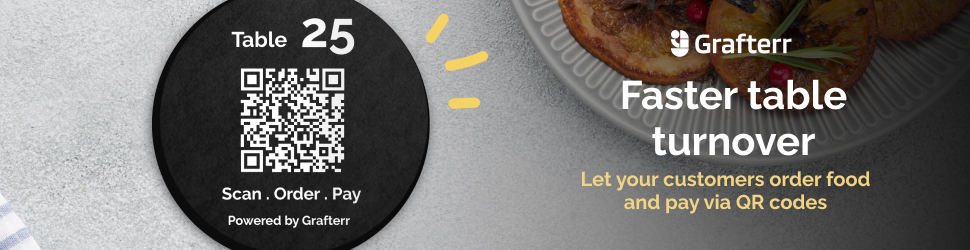
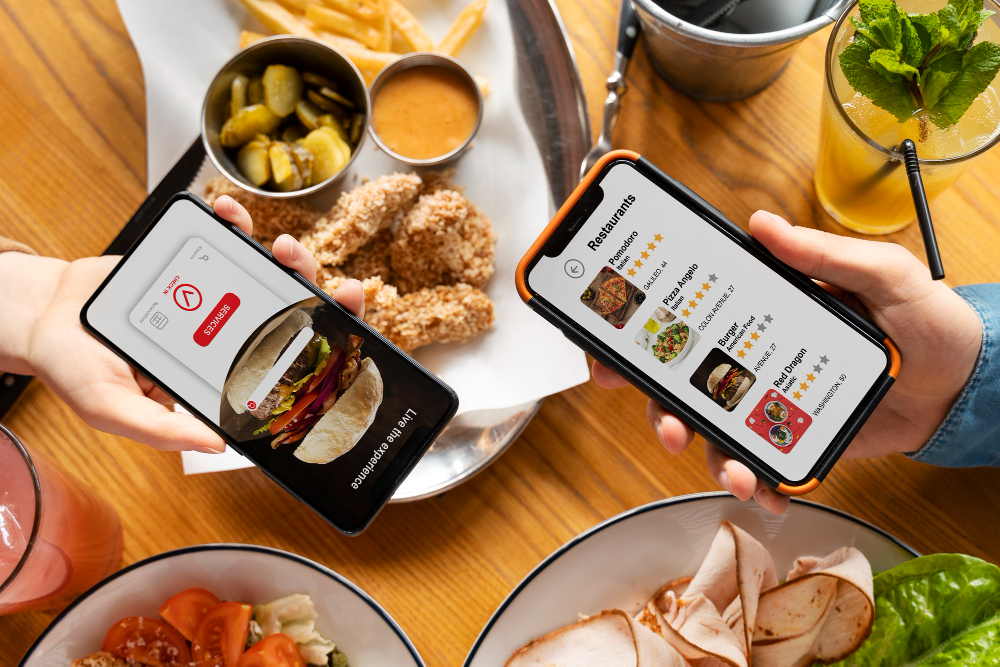
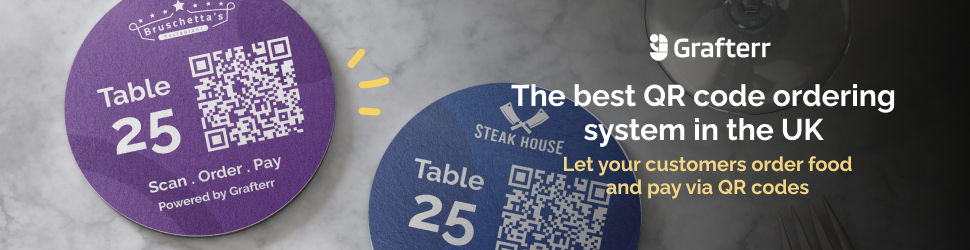
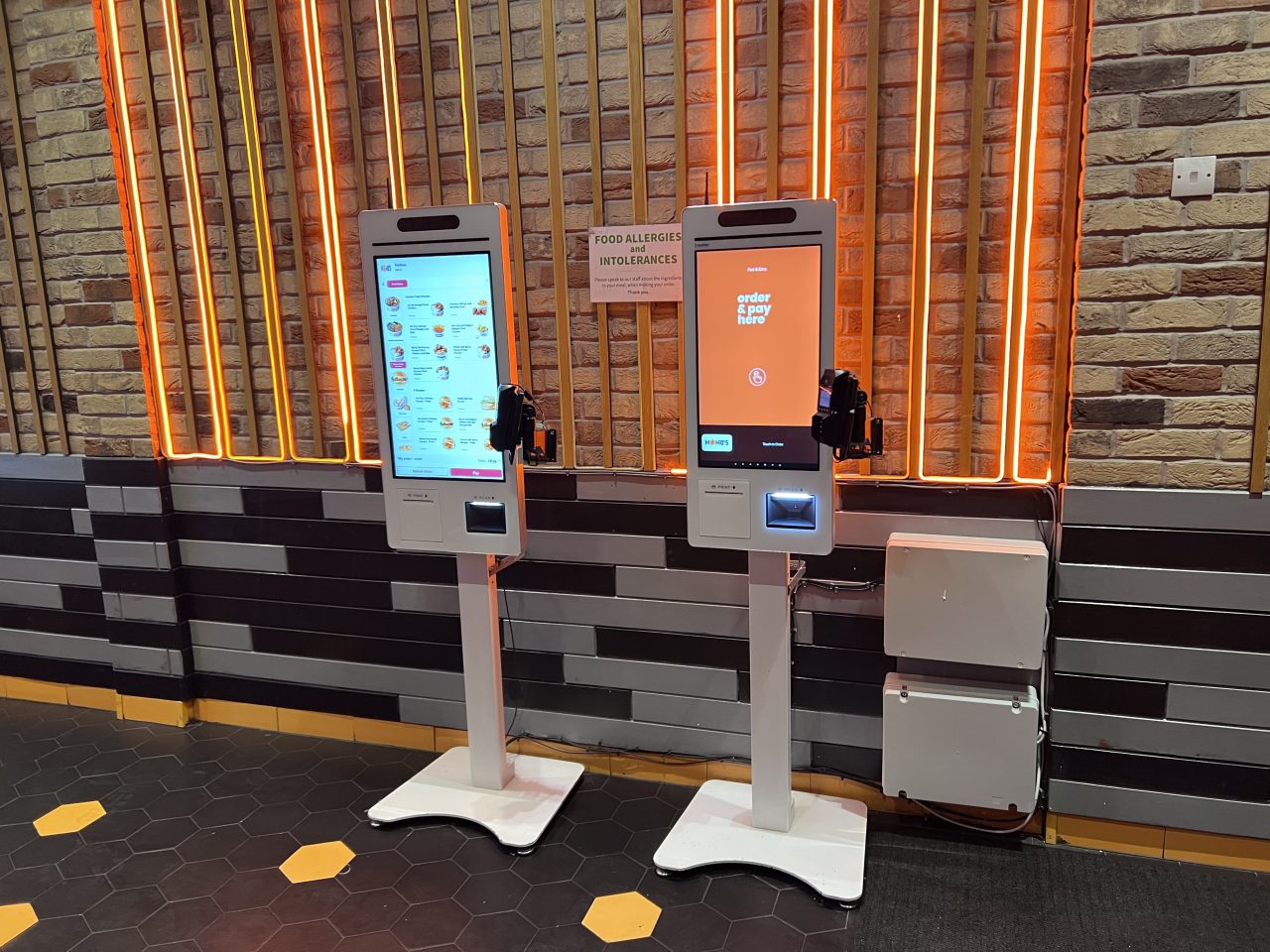
Grafter POS is an all-in-one system that combines POS, QR ordering, online ordering and delivery management into one platform. This removes the need for multiple individual tools, and greatly enhances operational efficiency in busy hospitality environments. It is specifically designed for UK hospitality use cases such as pubs, cafes, QSRs and restaurant groups.
Pros
- This allows workflows such as table ordering, kitchen coordination, multi-channel sales handling to be designed for real operational scenarios, not for generic retail systems.
- The platform provides one dashboard to run dine-in, takeaway, click & collect and delivery operations. This enables operators to manage all revenue streams in real time without the need to switch between multiple systems or integrations.
- Pricing is much more affordable compared to enterprise systems. This makes it perfect for growing pub groups and restaurant chains that want scale, but not long contracts or heavy upfront commitments.
Cons
- It hasn’t got the same legacy enterprise penetration, especially in large pub estates with deeply embedded infrastructure already.
- The third-party integration ecosystem is still maturing in comparison to mature enterprise providers. This can restrict a few very niche or legacy system connections.
- Older highly customised systems may require extra setup for very complex enterprise reporting or bespoke configurations.
2. Lightspeed Restaurant

Lightspeed Restaurant is widely used across UK hospitality businesses due to its strong reporting capabilities and structured operational tools. It is particularly suited for operators who prioritise data-driven decision-making and centralised control across multiple locations.
Pros
- Lightspeed provides strong multi-location reporting and analytics that allow pub and restaurant groups to track performance, sales trends, and operational efficiency across all sites in real time.
- It offers powerful inventory and menu management tools that help businesses maintain strict control over stock, suppliers, and cost optimization.
- The platform supports scalable growth with a mature ecosystem of integrations covering accounting, payments, and operational tools.
- It is well established globally, making it a stable choice for structured hospitality operations.
Cons
- Many core features like loyalty, reservations and advanced ordering often need additional paid modules, which dramatically increases overall cost.
- It can be a system for smaller, fast-moving pub environments that need to set up quickly and with minimal configuration.”
- It’s not as cohesive as newer all-in-one hospitality platforms that bundle POS, ordering and delivery into one workflow.”
3. Toast POS

Toast works great in fast-paced restaurants, where handheld ordering can be done quickly and integrated into the kitchen display without slowing down the kitchen. This increases the accuracy of the orders and decreases delays during busy times.
Pros
- The platform highly optimises front-of-house and back-of-house communication, helping restaurants run more smoothly and improve table turnover speed.
- It works particularly well in high-volume restaurant chains where speed of operations is a key performance factor.
- This system is specifically designed for restaurant execution, not general retail.
Cons
- It doesn’t fully align with UK pub operational models that combine bar service, table service, and takeaway workflows. Costs can escalate as more modules are needed to emulate full hospitality functionality.
- This is not entirely compatible with UK pub operational models that combine bar service, table service and takeaway workflows.
- Further modules are needed to achieve full hospitality functionality, and costs can mount up.
4. Clover POS

Clover POS is a hardware-driven point-of-sale system that offers flexibility for small to mid-sized hospitality businesses that want a simple, quick setup without complex deployment.
Pros
- It underpins basic hospitality functions such as payments, staff management and transaction tracking in a reliable and structured manner.
- The app marketplace enables operators to add functionality when business needs change.
- It is popular due to its simplicity and predictable operational structure.
Cons
- It doesn’t have the deep hospitality-specific capabilities like advanced kitchen workflows, delivery orchestration, multi-site pub group management.
- An over-reliance on third-party apps can result in disconnected workflows, not an integrated system experience.
- It doesn’t scale well for complex pub or restaurant group operations
5. SumUp POS

SumUp POS is designed for simplicity and affordability, making it ideal for small hospitality operators who need quick setup and low operational complexity.
Pros
- SumUp offers extremely fast onboarding, allowing small businesses to start accepting payments almost immediately, without the delays of technical setup.
- It is very affordable and works for independent cafes, small pubs, and food trucks that need simple POS functionality.
- The system is very mobile friendly and works well for temporary or pop-up hospitality.
- It cuts down on training time because of its simple and intuitive interface.
Cons
- It doesn’t have advanced features like inventory tracking, loyalty programs, and multi-site management needed for larger hospitality groups.
- It does not built for enterprise or multi-location pub operations.
- It’s still primarily a payments-focused system rather than a full hospitality management platform.
6. Epos Now

Epos Now is a UK-based POS provider delivering hospitality and retail solutions that are a fit for mid-sized businesses requiring structured operational tools and local support.
Pros
- Epos Now has a significant UK presence and hospitality features. Pubs, bars, and restaurants suited to this.
- It provides robust inventory management and reporting features that allow for operational control across locations.
- The system plays nice with accounting and third-party tools for better business efficiency.
- It supports flexible hardware configuration to fit for different business size.
Cons
- Many advanced features require additional paid modules, which can increase total cost over time.
- The interface and user experience feel less modern compared to newer cloud-native systems.
- Scaling complex multi-site operations can become difficult without careful system setup.
7. Square POS

Square POS is widely used as a simple entry-level system for hospitality businesses that prioritise ease of use and fast payment processing over advanced operational features.
Pros
- Square is extremely easy to set up and use, making it ideal for small hospitality businesses that want quick deployment without technical complexity.
- It offers transparent pricing with strong payment processing capabilities and no heavy upfront investment.
- The system works well for basic sales tracking and simple hospitality operations.
- It provides a clean and intuitive interface suitable for small teams.
Cons
- It is not a full hospitality management system and lacks advanced kitchen, delivery, and also enterprise workflow capabilities.
- Dedicated hospitality platforms provide far better multi-site and pub group scalability.
- It becomes restrictive as business operations become more complex or multi-channel.
Conclusion
The UK hospitality market is clearly shifting from legacy systems like Zonal toward modern cloud-based, all-in-one hospitality platforms that unify POS, ordering, delivery, and customer engagement into a single ecosystem.
Among all alternatives, Grafterr POS stands out as the most balanced and modern Zonal alternative for UK pub and restaurant groups, offering the best combination of flexibility, scalability, and operational simplicity for growing hospitality businesses.