Introduction
The hospitality industry is really tough these days. So choosing the POS system is super important. It is not about taking payments. It is about running your business, making your customers happy, and growing your business in the long run with the help of technology. Lightspeed is a well-known platform offering a customizable point-of-sale system, advanced insights, offline functionality, and pricing plans starting at $69/month. However, it may not be the fit for every restaurant or hospitality business in the UK.
Many UK businesses need solutions that are easier on the wallet, simpler to set up, or better suited to specific needs like takeaway, delivery, or multi-channel ordering. Therefore, looking at options is a must. This is not because Lightspeed is bad. It is just that different businesses have priorities, budgets and plans for growth.
Why You Need Alternatives to Lightspeed?

Lightspeed offers a lot of features like inventory, multi-location management and integrations. However it can sometimes feel too complicated or expensive for sized hospitality businesses that do not need all the fancy features.
Many UK operators are looking for systems that combine point of sale with ordering, delivery and customer engagement features in one platform. They do not want to rely on integrations that can increase costs and operational problems over time. By looking at options businesses can find solutions that better fit their style. This could mean payment processing, more affordable pricing or fully integrated systems designed specifically for modern hospitality workflows.
7 Best Lightspeed Restaurant Alternatives
1. Grafterr

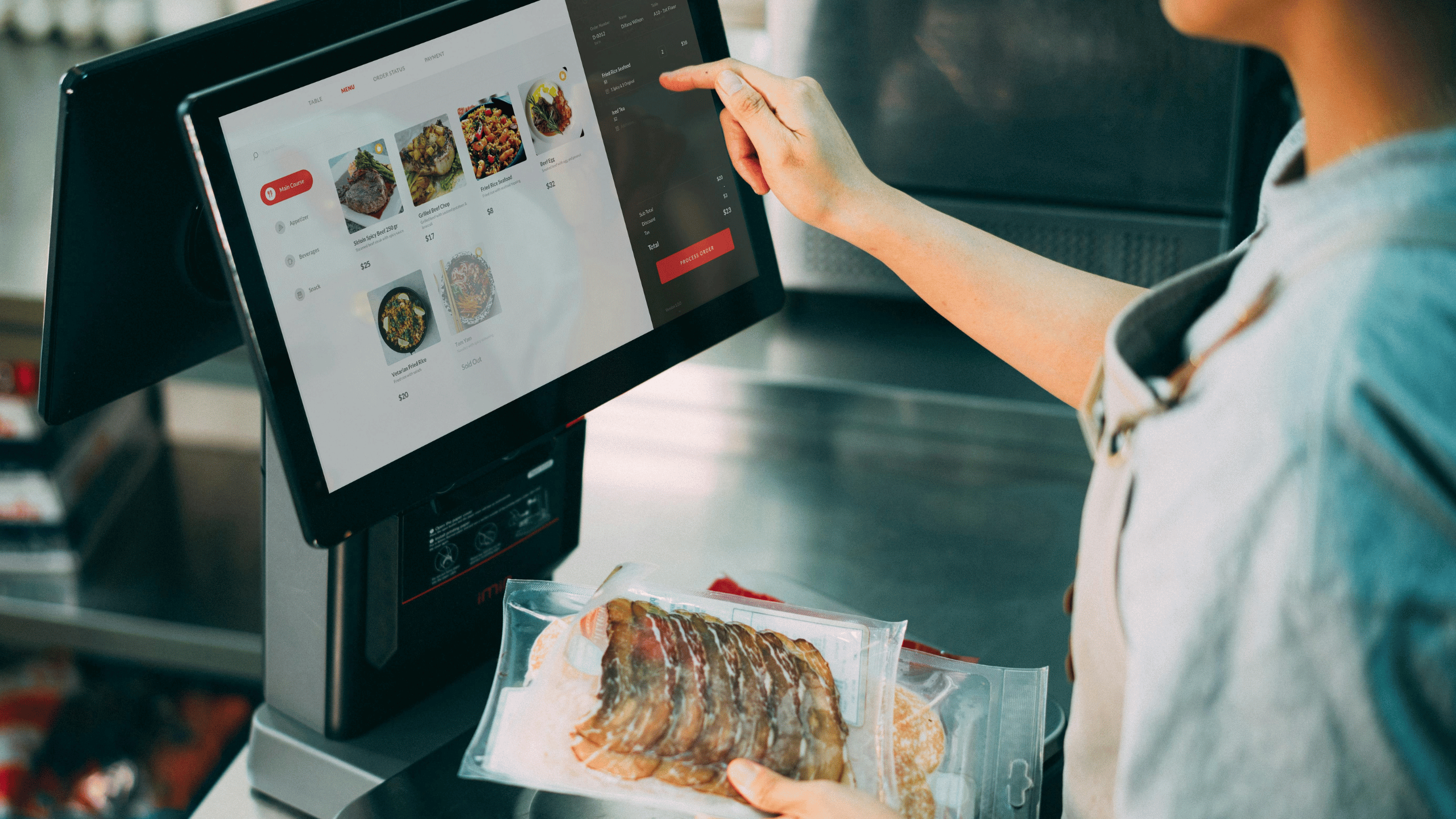
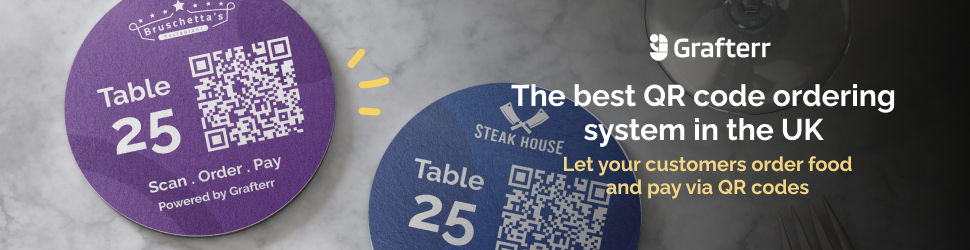
Grafterr is an all-in-one hospitality platform. It goes beyond point of sale systems by combining ordering, payments, delivery management and customer engagement into one solution. This solution is designed for restaurants and takeaway businesses.
Key Features
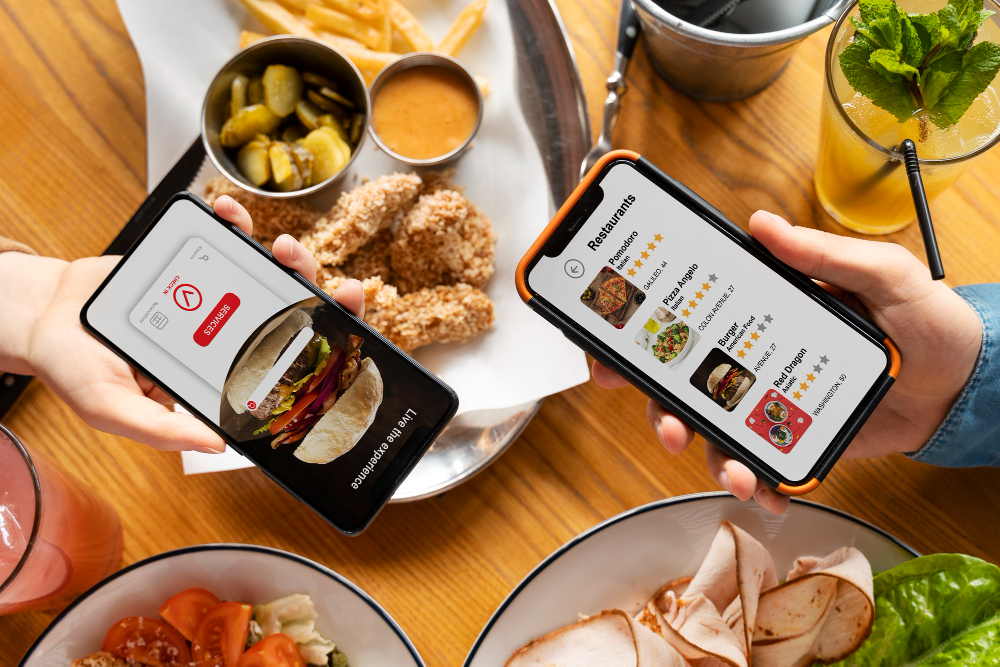
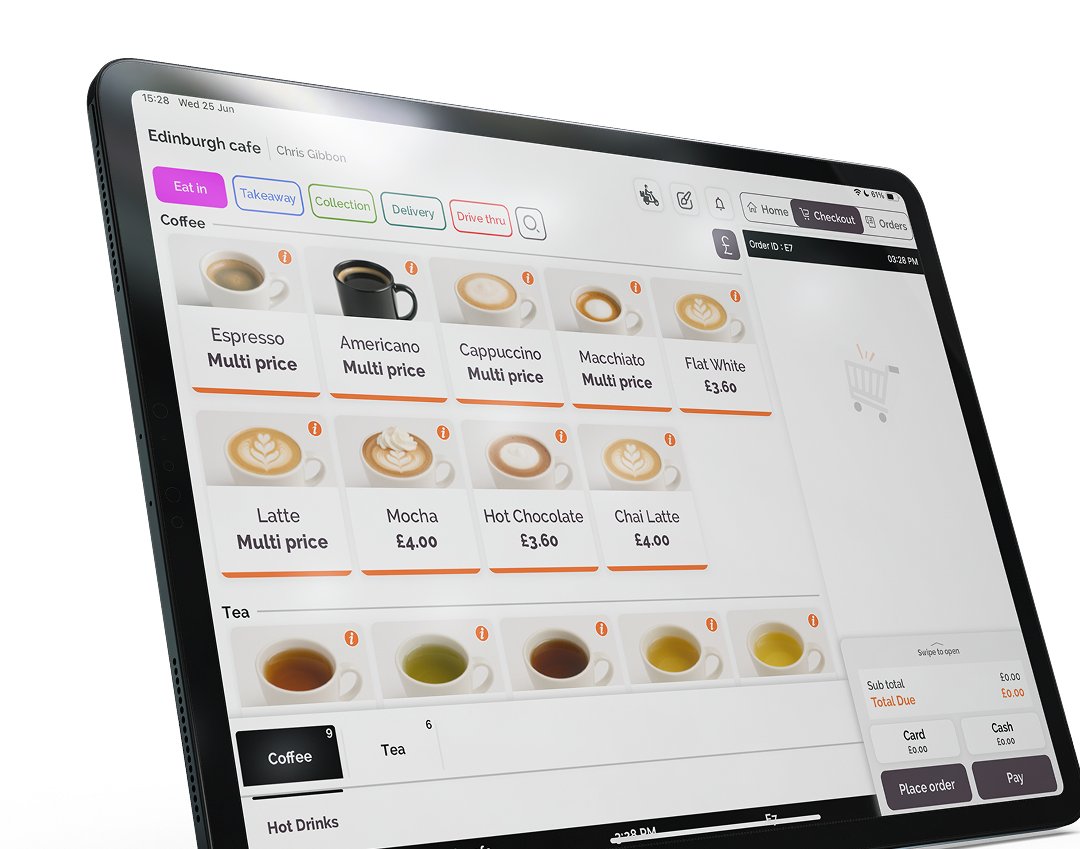
Grafterr POS combines QR table ordering, self-service kiosks ordering, and delivery management into one system. This helps businesses run more smoothly and rely less on tools made by other companies. The platform lets you place orders through multiple channels, such as in-store, on your phone, online, and over the phone. It syncs all the data in real time to make sure that everything runs smoothly and consistently at every touchpoint.
Pricing
- The Standard plan costs £55 a month and includes two point-of-sale licenses and the ability to process orders from all sales channels. This makes it very easy for medium-sized businesses to use.
- The Pro plan costs £75 a month and comes with extra features like digital waiter solutions, table management, loyalty programs, and marketing tools. This makes it perfect for expanding hospitality businesses.
Pros
- Grafterr delivers value by combining essential tools into one system. This eliminates the need for subscriptions and reduces overall operational costs.
- It is specifically designed for hospitality businesses, ensuring that features like delivery tracking QR ordering, and customer engagement are deeply integrated.
Cons
- The wide range of features may be more than what small businesses need if they are only looking for payment processing. As a platform it may still be expanding its ecosystem compared to established global providers.
2. Square

Square is widely recognized for its ease of use and accessibility. It is a choice for small hospitality businesses that want to start accepting payments quickly without complex setup.
Key Features
Square offers a point of sale system with built-in payment processing. This allows businesses to manage transactions, invoicing and basic operations without costs. It supports payment methods, including contactless payments and digital wallets.
Pros
- Its setup process and intuitive interface make it highly accessible for businesses with technical expertise or resources. The free plan provides functionality making it an attractive option for startups and small-scale operations.
Cons
- Advanced tools such as loyalty programs, marketing features and detailed analytics require paid upgrades increasing costs over time. It lacks capabilities needed for larger or multi-location hospitality businesses.
3. SumUp

SumUp is designed for businesses that prioritize affordability and mobility. It offers payment solutions without the complexity of full-scale point of sale systems.
Key Features
SumUp provides point of sale functionality along with mobile card readers. This enables businesses to accept payments with setup. The platform focuses on core transaction management making it easy to use for businesses that do not require features.
Pros
- Its low-cost structure makes it highly suitable for businesses, pop-ups and food trucks that need a budget- solution. The pay-as-you-go approach allows businesses to operate flexibly without investing in hardware or infrastructure.
Cons
- It lacks features such as inventory tracking, analytics and customer engagement tools limiting its usefulness for growing businesses. It is not designed for scalability or complex restaurant operations.
4. Toast
Toast is a restaurant-focused point of sale system that offers tools for managing both of-house and kitchen operations efficiently.
Key Features
Toast includes features such as tableside ordering, kitchen display systems and integrated online ordering. These features help streamline service and reduce errors. Its cloud-based infrastructure ensures performance during high-volume service periods.
Pros
- It improves efficiency by connecting staff, kitchen and ordering systems into a workflow. It is specifically designed for restaurants making it highly relevant for hospitality-focused use cases.
Cons
- It requires businesses to use Toast Payments limiting flexibility in choosing payment providers. Costs can increase significantly as additional features and modules are added.
5. Clover

Clover offers a point of sale system with a focus on customization and hardware options.
Key Features
Clover provides a range of hardware devices and an app marketplace. This allows businesses to tailor their point of sale system to their needs. It supports payment methods and integrates with business tools.
Pros
- Its flexibility makes it suitable for types of hospitality businesses with varying operational requirements. The ability to customize through apps allows businesses to expand functionality as needed.
Cons
- Costs can quickly add up due to hardware purchases and app subscriptions. Managing multiple integrations can make the system more complex over time.
6. Stripe

Stripe is a payment platform designed for businesses that require custom payment solutions and advanced integrations.
Key Features
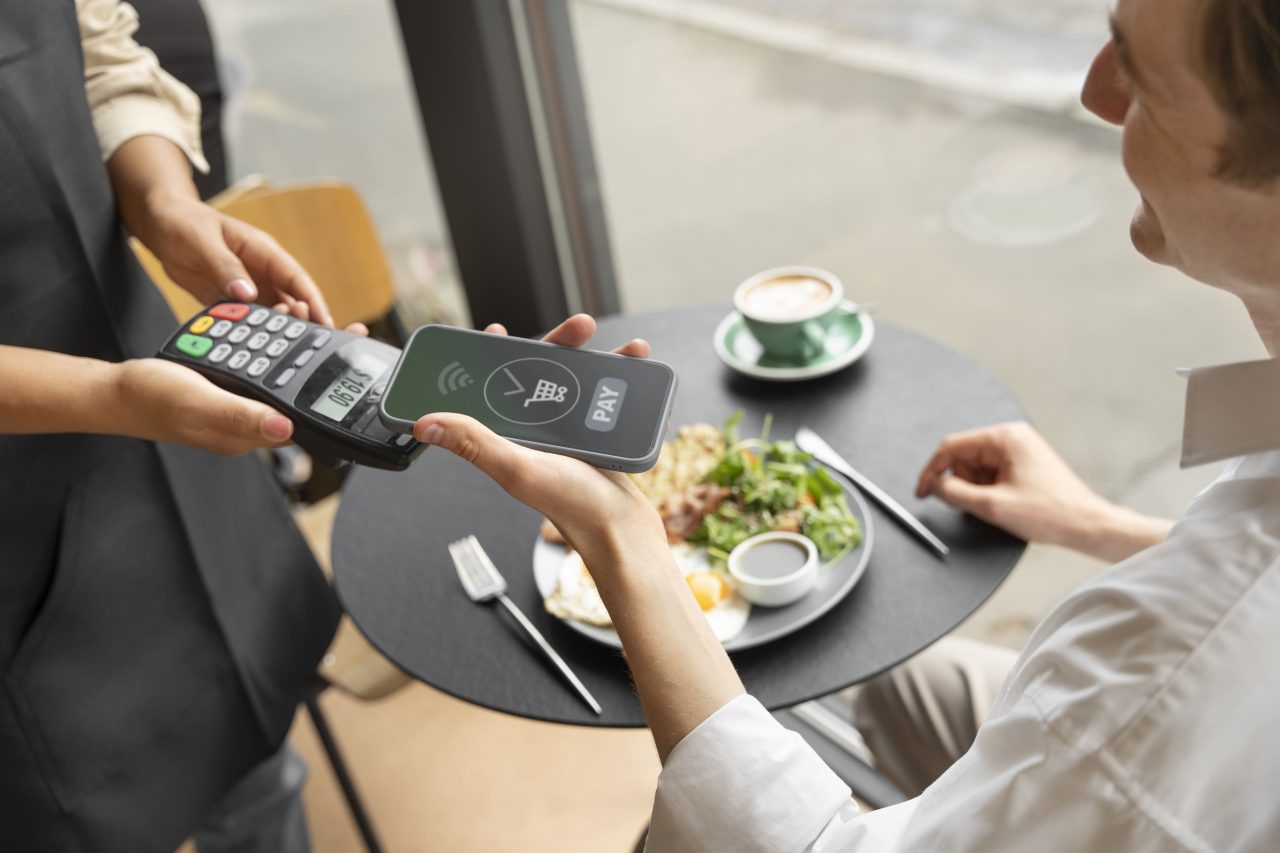
Stripe offers APIs that allow businesses to build payment experiences and integrate seamlessly with online ordering systems. It supports payments, subscriptions and advanced financial tools.
Pros
- It provides flexibility for businesses that want control over their payment infrastructure. It is highly scalable making it suitable for growing and tech-driven businesses.
Cons
- It requires expertise to implement and manage effectively. It does not offer a point of sale system out of the box.
7. Zettle by PayPal

Zettle is a point of sale solution backed by PayPal. It offers tools for payment processing and basic business management.
Key Features
Zettle combines point of sale functionality with PayPal’s payment infrastructure. This enables accepted transactions. It includes tools for sales tracking and invoicing.
Pros
- Its connection to PayPal ensures trust, security and global payment acceptance. It is easy to use and ideal for hospitality businesses.
Cons
- It lacks restaurant- features such as kitchen management and table service tools. It is not suitable for -location operations.
Conclusion
While Lightspeed remains a feature- platform it is not always the most practical choice for every UK hospitality business. This is particularly true when cost, simplicity or specific operational needs are considerations.
For businesses focused on payment solutions like SumUp and Zettle provide simplicity and affordability. Platforms like Stripe and Clover offer flexibility and scalability. Toast delivers restaurant- functionality for more complex operations.
However Grafterr clearly stands out by offering an all-in-one hospitality solution. It combines point of sale ordering, delivery management and customer engagement into a platform starting at £55/month. This makes it an attractive alternative, for businesses looking to simplify operations, reduce costs and scale efficiently without relying on disconnected systems.