
SumUp is widely used across the UK hospitality market as a simple, low-cost payment and POS solution that enables small businesses to start taking payments quickly without heavy setup or technical complexity. However, as restaurants, pubs, cafés, and takeaway businesses grow, many operators searching for SumUp alternatives in the UK restaurant hospitality industry begin to look for more advanced systems that offer deeper operational control, better scalability, and fully integrated tools for ordering, delivery, and customer engagement.

Modern hospitality businesses are no longer satisfied with payments-first systems alone. They now require platforms that unify POS, payments, online ordering, delivery management, kitchen operations, and marketing tools into a single ecosystem that can scale across multiple locations and support evolving customer expectations.
Below are the 7 best alternatives to SumUp for UK restaurants and hospitality businesses.
1. Grafterr POS

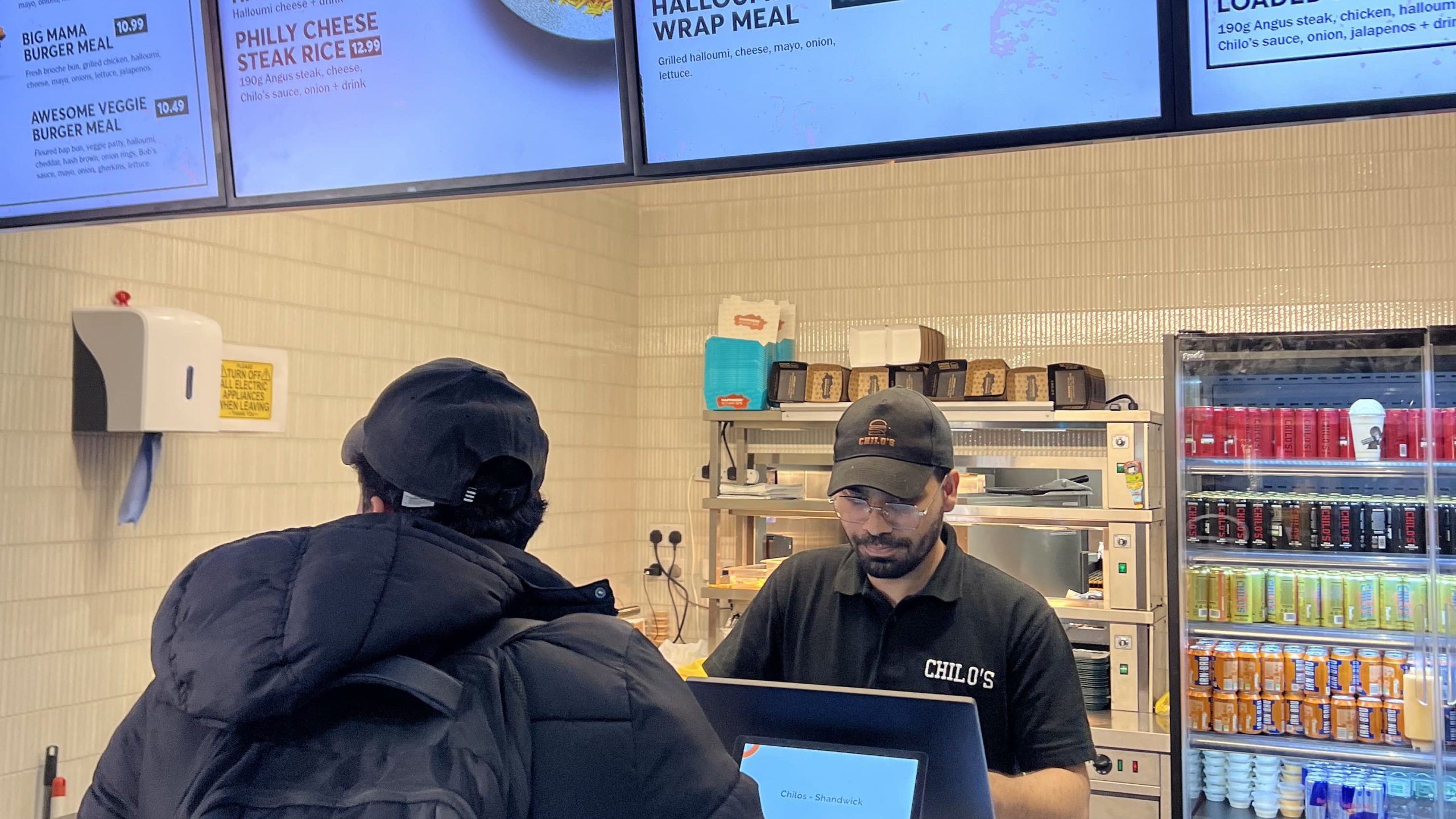
Grafterr POS is a cloud-native, hospitality-first platform that replaces fragmented systems by combining POS, QR ordering, online ordering, delivery management, payments, and customer engagement tools into one unified ecosystem designed for modern restaurants and pubs.
Pros
- Grafterr POS delivers a fully integrated platform where payments, ordering, and operational workflows are connected in one system. This reduces reliance on multiple tools and simplifies daily operations across restaurants, pubs, and takeaway businesses.
- The platform is built specifically for hospitality use cases such as dine-in, takeaway, and delivery. This ensures smooth coordination between front-of-house, kitchen, and delivery teams in real-time service environments.
- It supports multi-channel revenue streams, including in-store, online, and delivery orders within one dashboard. This allows operators to manage all customer interactions efficiently without switching systems.
- Pricing is transparent and accessible compared to systems that rely on custom quotes or hidden fees. This helps businesses scale with predictable monthly costs.
Cons
- It may not yet match the depth of legacy enterprise integrations found in older systems used by large hospitality chains.
- The third-party integration ecosystem is still expanding compared to long-established providers.
- Advanced enterprise-level customisation may require additional configuration depending on business complexity.
2. Lightspeed Restaurant

Lightspeed Restaurant is a cloud-based POS platform designed for hospitality businesses that prioritise analytics, inventory management, and structured multi-location growth.
Pros
- Lightspeed provides detailed reporting and analytics across multiple locations. This helps operators track performance, optimise operations, and make data-driven decisions.
- Its inventory and menu management system is highly advanced. This supports cost control, supplier management, and efficient stock handling for restaurants.
- The platform integrates with various accounting and operational tools. This allows businesses to build a flexible tech stack as they grow.
- It is a mature and globally recognised system. This ensures stability and reliability for structured hospitality operations.
Cons
- Many advanced features require additional paid modules. This increases overall cost and adds complexity to the system.
- The platform can feel complex for smaller businesses that require quick setup and ease of use.
- It does not provide a fully unified, all-in-one experience compared to newer cloud-native platforms.
3. Toast POS
Toast POS is designed for high-volume restaurant environments where speed, accuracy, and operational efficiency are critical to delivering consistent customer experiences.
Pros
- Toast offers strong handheld ordering and kitchen display system integration. This improves service speed and reduces errors during busy service periods.
- It enables seamless communication between front-of-house and kitchen teams. This helps maintain smooth operations and better customer service.
- The platform is built specifically for restaurant workflows. This makes it highly effective for fast-paced dining environments.
- It supports end-to-end operations with a strong focus on execution and performance.
Cons
- Toast is primarily US-focused. This means UK-specific integrations and support are less mature.
- It may not align fully with UK hospitality models that combine pub, takeaway, and delivery operations.
- Costs can increase significantly as additional modules and integrations are added.
4. Epos Now

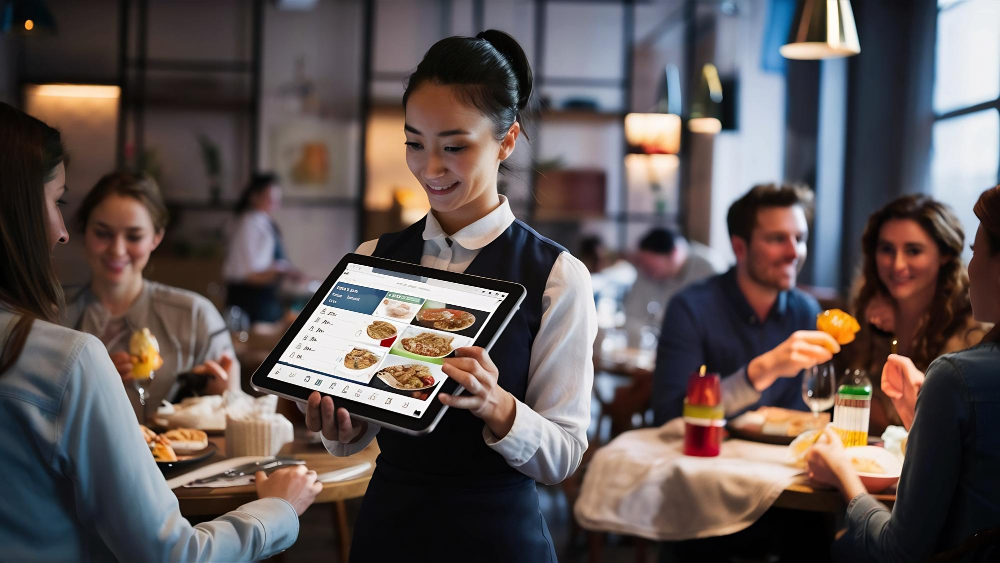
Epos Now is a UK-based POS provider offering solutions for restaurants, pubs, and retail businesses that require structured operational tools and local support.
Pros
- Epos Now provides strong hospitality-focused features, including inventory tracking and reporting. This helps businesses maintain control over operations.
- It supports multi-location setups and integrates with accounting and third-party tools. This improves efficiency across different business functions.
- The platform offers flexible hardware options. This allows businesses to customise their setup based on operational needs.
- Its UK presence ensures reliable support and familiarity with local market requirements.
Cons
- Many features require additional add-ons. This increases total cost and reduces pricing transparency.
- The user interface feels less modern compared to newer cloud-based platforms.
- Scaling operations can become complex without proper system configuration.
5. Clover POS

Clover POS is a hardware-focused POS solution that combines payment processing with basic hospitality management features for small to mid-sized businesses.
Pros
- Clover offers a simple hardware and software bundle. This allows businesses to start quickly with minimal setup effort.
- It supports essential features such as payments, staff management, and transaction tracking. This makes it reliable for everyday operations.
- The app marketplace allows businesses to extend functionality over time. This provides some level of flexibility.
- It is widely used for its ease of deployment and structured system design.
Cons
- It lacks deep hospitality-specific features such as advanced kitchen workflows and delivery management.
- Heavy reliance on third-party apps can create fragmented workflows. This reduces system efficiency.
- It is not ideal for scaling multi-location restaurant or pub operations.
6. Square POS

Square POS is a popular entry-level system that focuses on payments and basic POS functionality, making it suitable for small hospitality businesses.
Pros
- Square offers extremely fast setup with minimal technical requirements. This allows businesses to start operations quickly.
- It provides transparent pricing and strong payment processing capabilities. This helps businesses manage costs effectively.
- The system is easy to use and requires minimal staff training. This improves efficiency for small teams.
- It works well for basic hospitality operations and simple business setups.
Cons
- Square is primarily a payments-focused system. It lacks advanced hospitality features such as kitchen workflows and delivery management.
- It does not support complex multi-location operations required by growing businesses.
- The platform becomes restrictive as operational needs increase.
7. Flipdish

Flipdish focuses on helping restaurants and takeaway businesses build digital ordering channels and improve customer engagement through branded platforms.
Pros
- Flipdish allows businesses to create branded websites and mobile apps for online ordering. This reduces reliance on third-party marketplaces.
- It includes marketing tools, loyalty programs, and customer engagement features. This helps increase repeat orders and customer retention.
- The platform integrates with delivery operations. This makes it useful for takeaway-focused businesses.
- It is particularly effective for businesses prioritising digital growth and customer ownership.
Cons
- Flipdish is not a full POS system. It requires integration with other platforms for complete operations.
- It lacks deep in-store operational tools such as kitchen management and POS workflows.
- Costs can increase depending on the features and services used.
Final Insight
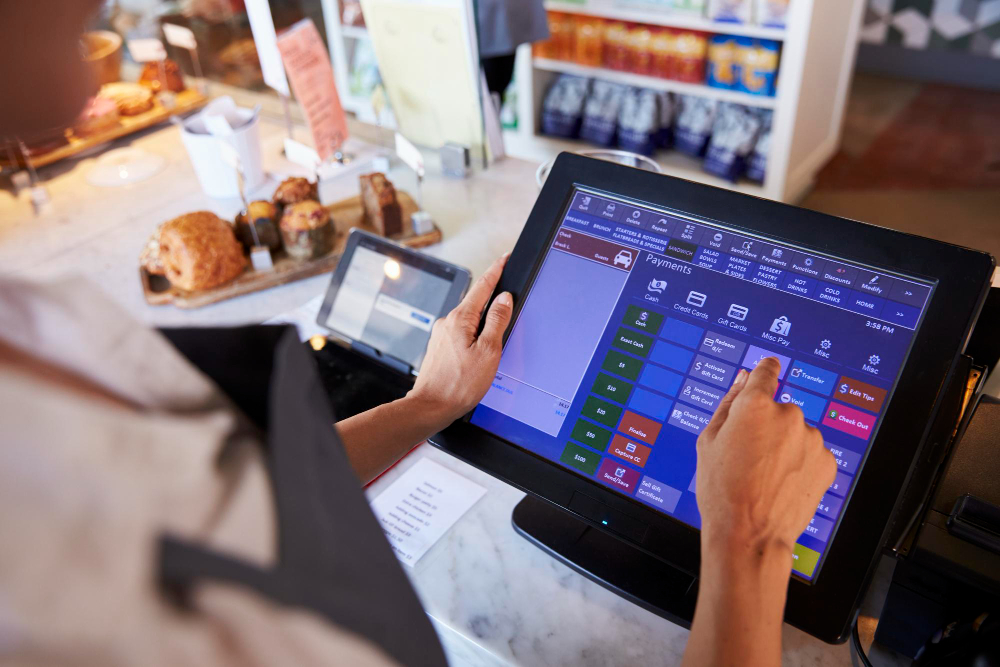
The UK hospitality market is shifting away from simple payment solutions like SumUp toward fully integrated, cloud-based platforms that unify POS, ordering, delivery, and customer engagement into a single ecosystem.
Among all alternatives, Grafterr POS stands out as the best SumUp alternative for UK restaurants and hospitality businesses, offering the most balanced combination of functionality, scalability, and operational simplicity for modern hospitality operations. SumUp is widely used across the UK hospitality market as a simple, low-cost payment and POS solution that enables small businesses to start taking payments quickly without heavy setup or technical complexity. However, as restaurants, pubs, cafés, and takeaway businesses grow, many operators searching for SumUp alternatives UK restaurants hospitality begin to look for more advanced systems that offer deeper operational control, better scalability, and fully integrated tools for ordering, delivery, and customer engagement.