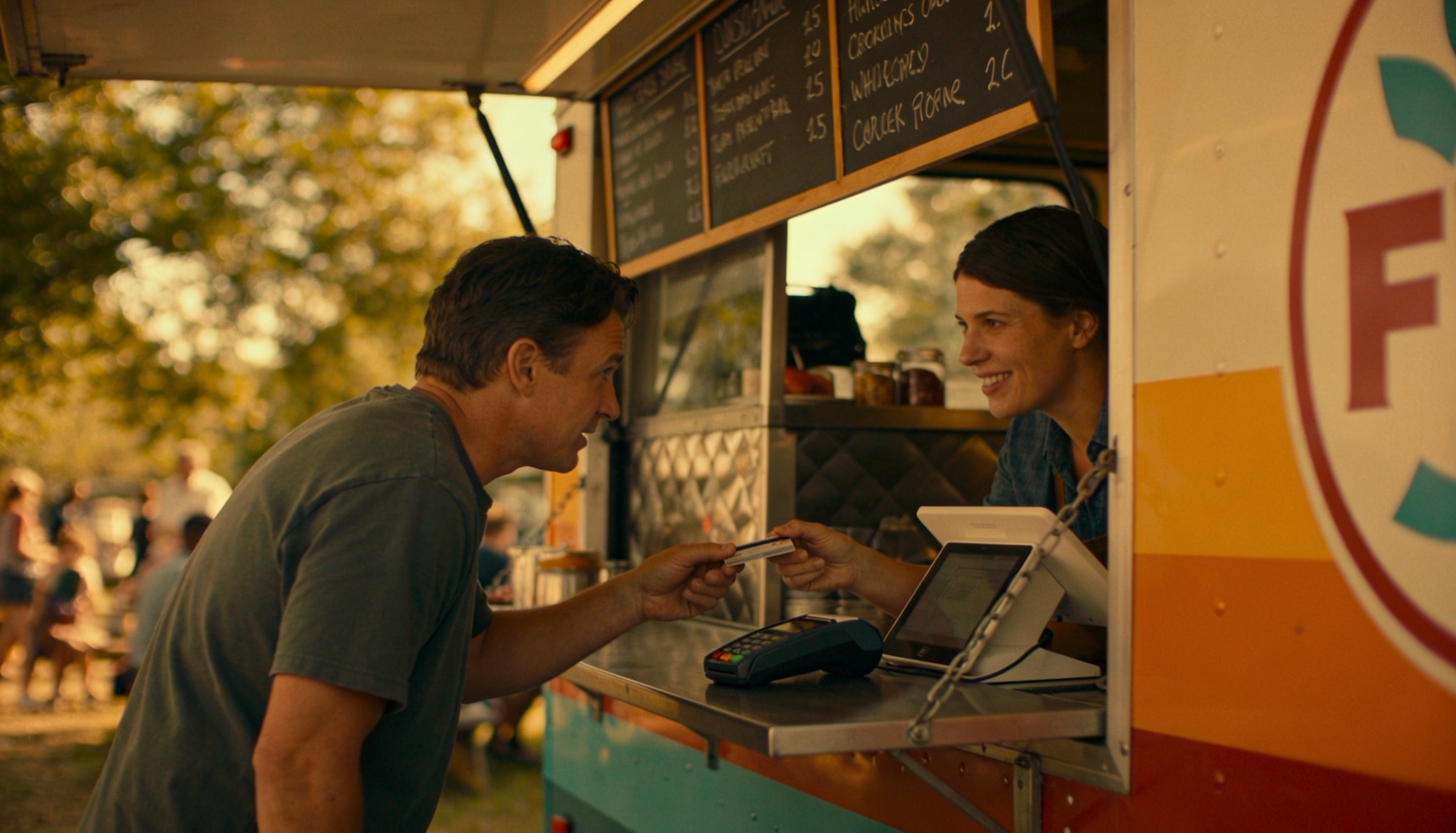
Cash is dying a slow death, and nowhere is that more obvious than at a food truck window. Someone orders a £14 burrito, reaches for their phone, and… stares at you when you say “cash only.” You can practically watch the sale evaporate. If you’re running a truck, accepting cards isn’t a nice-to-have anymore; it’s the difference between a good lunch rush and a lot of people walking away.
The good news? You don’t need a countertop terminal bolted to anything, a landline, or a permanent setup of any kind. Food trucks move, and your payment system should move with you. Here’s how to actually make that happen.
Why “Fixed Setup” Doesn’t Work for a Truck Anyway
Traditional POS terminals were built for restaurants that stay in one place. They plug into the wall, they need steady internet, and they assume you’re not going to relocate to a different street corner on Thursday. None of that describes a food truck.
Your setup needs to handle a few realities that a fixed restaurant never has to think about:
- Spotty or nonexistent internet at parks, fairgrounds, and festival lots
- No dedicated power outlets, unless you’re running your own generator
- Constant movement, different neighborhoods, different events, different days
- Tight counter space, where a bulky terminal just isn’t practical
So instead of forcing a stationary system into a mobile business, the smarter move is to build around tools that were made for exactly this.

Start With a Mobile Card Reader
This is the backbone of the whole setup. A mobile card reader pairs with a smartphone or tablet over Bluetooth, and it’s small enough to clip to your apron or toss in a drawer. Companies like Square, SumUp, Clover Go, and PayPal Zettle all make versions of this, and they’ve become the default for food trucks, farmers market vendors, and pop-up shops for good reason.
Look for a reader that:
- Accepts chip, tap, and swipe – tap especially, since it’s the fastest option during a rush
- Charges over USB or has decent battery life on its own
- Pairs reliably with your phone or tablet without constant reconnecting
- Comes from a provider with a mobile app you’ll actually enjoy using
Most of these readers cost somewhere between £20 and £100 upfront, and there’s no monthly terminal rental fee eating into your margins.
Solve the Internet Problem Before It Solves You
Here’s where a lot of food trucks get tripped up. A card reader is only as good as the connection behind it, and truck locations are notorious for bad signal, a park with one bar of service, a warehouse district with none at all.
A few ways to handle it:
- Use your phone’s cellular data as the primary connection, since it travels with you
- Carry a portable hotspot as a backup, especially at events with a lot of competing wifi traffic
- Choose a payment app with offline mode, so transactions get stored locally and processed automatically once you’re back in range
- Test your setup at each new location before the lunch rush hits, not during it
Nothing kills momentum like a line of hungry customers watching a spinning wheel on your screen. A little prep here goes a long way.
Keep Your Power Situation Simple
You don’t need much to keep a phone and card reader running all day, but you do need a plan. Most trucks solve this with:
- A portable battery pack for the phone and reader
- A 12V outlet or inverter wired into the truck’s existing electrical system
- A small generator, if you’re doing longer events or all-day festivals
- A backup phone charger in the truck at all times, the kind you forget about until you desperately need it
None of this needs to be elaborate. It just needs to be reliable enough that a dead battery never becomes the reason someone doesn’t get their food.
Think About the Customer’s Side of the Transaction
Speed matters just as much as reliability. Food truck lines move fast, and every extra second at the register is a second someone else is deciding whether to wait or walk away.
A few things that make the customer side smoother:
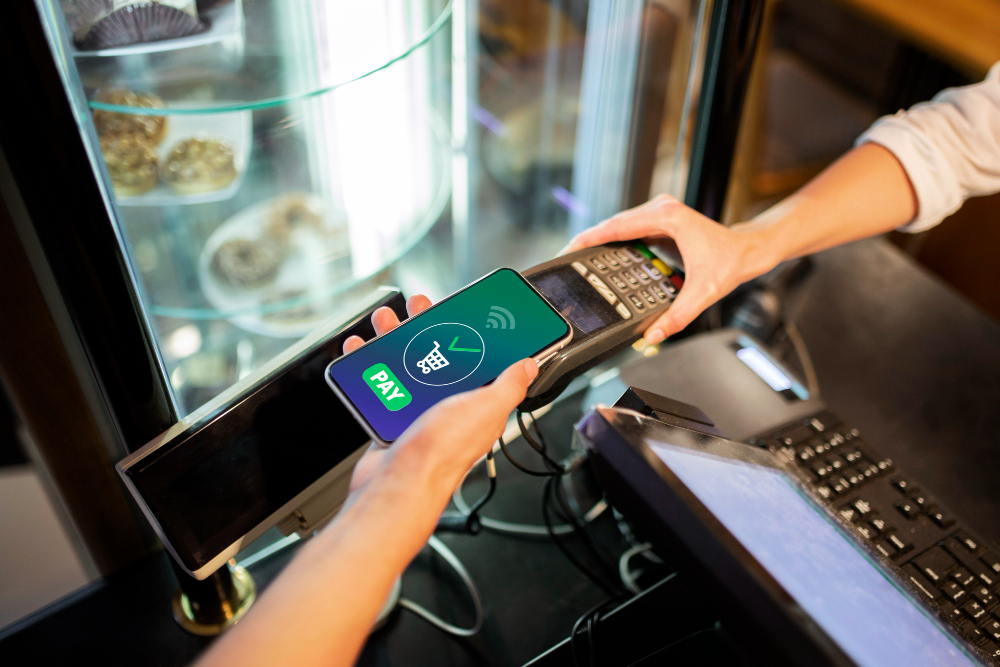
- Tap-to-pay cuts transaction time down to a couple of seconds, and most customers already expect it
- Digital receipts sent by text or email skip the need for a receipt printer altogether
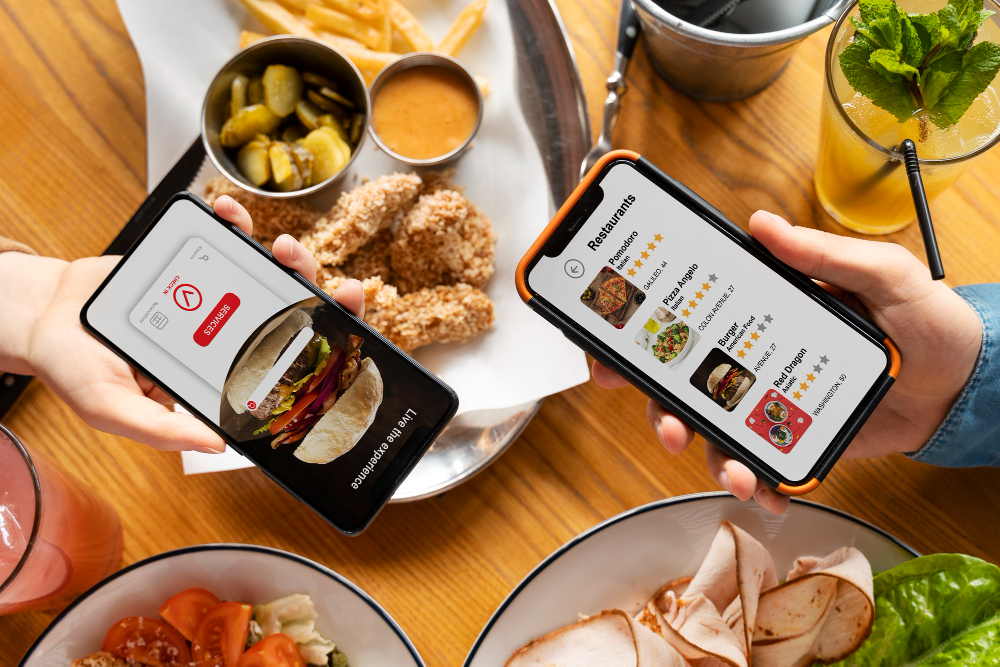
- QR code ordering, if you want to go further, lets people order and pay from their phone before they even reach the window
- Clear signage showing you accept cards saves you from repeating “yes, we take cards” fifty times a shift
None of this is complicated technology. It’s just removing friction, one small step at a time.
Don’t Ignore the Fees, But Don’t Overthink Them Either
Every card processor takes a cut, usually somewhere around 2.6% to 3.5% per transaction. It’s tempting to obsess over shaving off a fraction of a percent, but for most food trucks, the bigger win is simply not losing the sale in the first place. A customer who walks away because you’re cash-only costs you more than any processing fee ever will.
That said, it’s worth comparing providers on:
- Per-transaction rates versus flat monthly fees
- How fast funds actually hit your bank account
- Whether there’s a contract or you can cancel anytime
- Hidden costs like chargeback fees or inactivity charges
A little comparison shopping upfront saves you from surprises later.
Pick a System That Grows With You
If your truck is doing well, chances are you’re thinking about a second truck, a trailer, or even a small brick-and-mortar someday. Whatever mobile payment system you choose now, it’s worth picking one that can scale with that growth instead of something you’ll have to replace later.
Look for:
- Multi-device support, so a second truck can run on the same account
- Centralized reporting, so you can see sales across every truck in one dashboard
- Inventory tracking, if your menu involves ingredients you need to monitor closely
- Integration with online ordering, in case you add pickup or catering down the line
Starting simple doesn’t mean staying simple forever; it just means not boxing yourself in.
The Bottom Line
You don’t need a fixed setup to take cards seriously at your food truck. A mobile reader, a solid data connection, a little backup power, and a system that’s actually built for mobility will cover you at a downtown lunch spot, a county fair, or a Tuesday night parked outside a brewery. With solutions like Grafterr GO! and Grafterr Pay, food truck operators can accept secure card and contactless payments while keeping orders and transactions connected through a single platform. Get that foundation right, and the technology fades into the background, which is exactly where it should be, so you can focus on the thing that actually matters: getting good food out the window, fast.