If you’re opening a new restaurant or replacing an old till, you’ll soon face a major technology decision: choose a cloud-based POS or install a traditional POS system. It’s not just a technical choice; it affects your costs, your flexibility, how you handle busy services, and how easily you can grow.
For UK restaurants specifically, this decision has become more pressing in recent years, with rising rents, tighter margins, and customers who increasingly expect contactless payments, online ordering, and fast, accurate service. Here’s a clear breakdown of how the two options compare.
What’s the Difference?
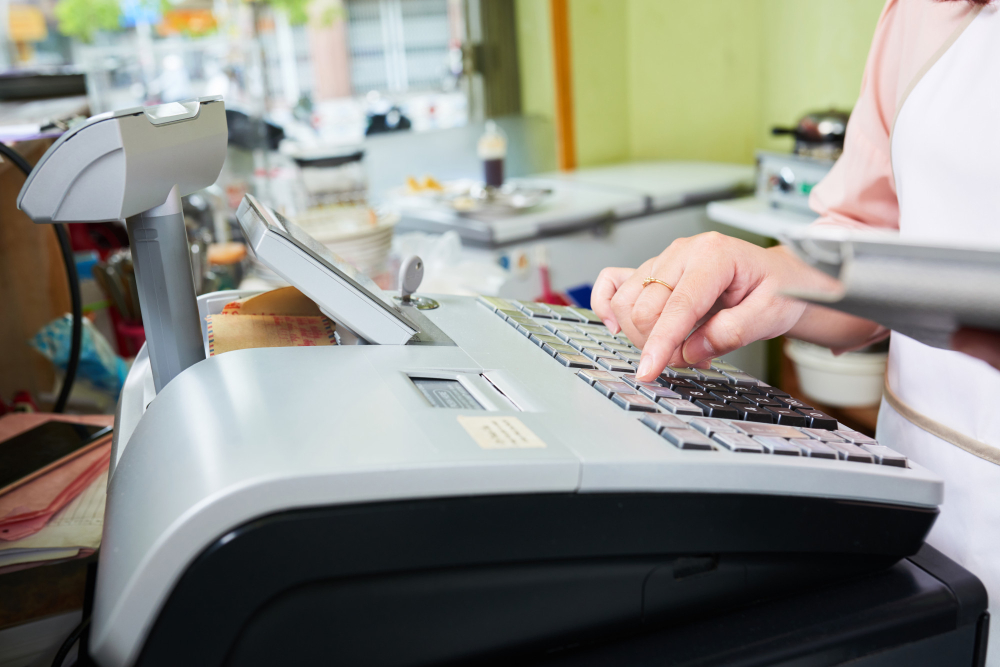
A traditional POS system runs on local hardware and software installed directly on a till or server on-site. You store all your data including sales, menus, and reports—locally, so the system can typically operate without an internet connection.
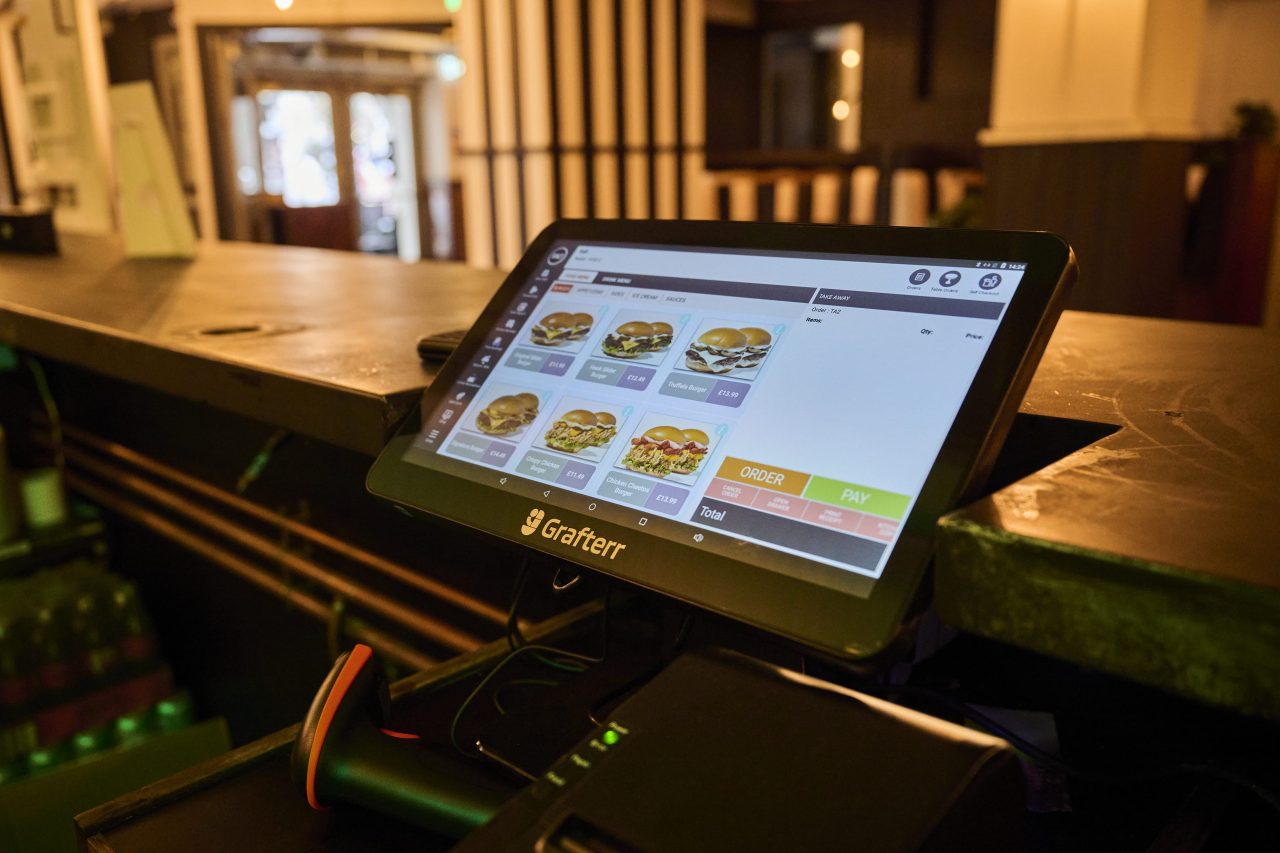
A cloud POS system stores your data on remote servers and lets you access it through the internet using a web browser or app on tablets, terminals, or handheld devices. It centrally manages updates, reports, and menu changes and syncs them across all connected devices in real time.
Cost Considerations
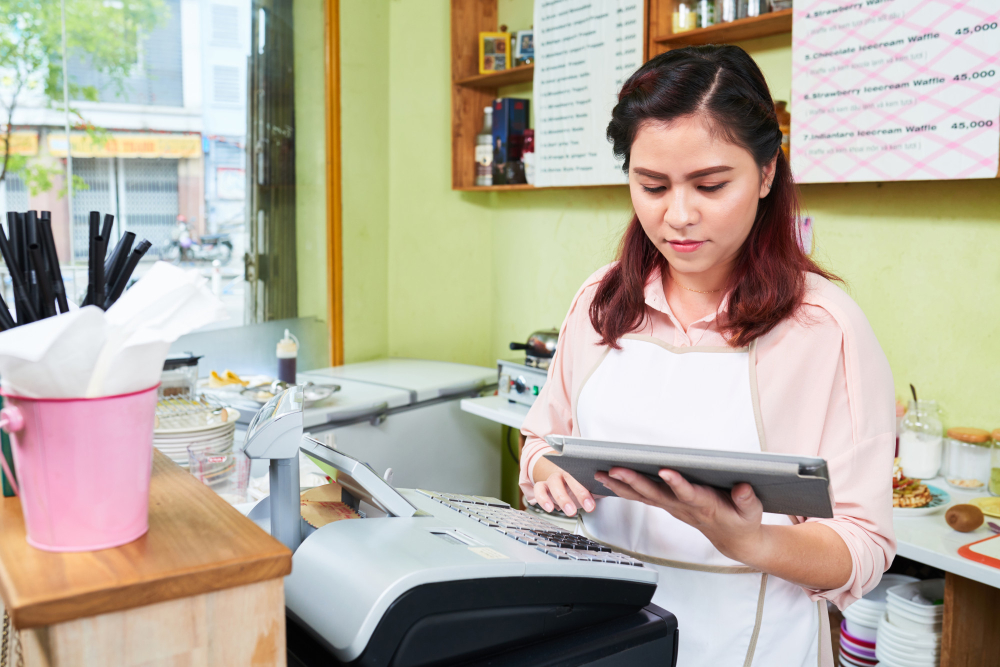
Traditional POS systems typically involve a larger upfront cost: proprietary hardware, software licences, and sometimes costly installation and setup fees. Once installed, though, there may be fewer ongoing charges beyond maintenance and occasional upgrade fees.
Cloud POS systems generally follow a subscription model with a lower upfront cost, with a monthly or annual fee that covers software updates, cloud storage, and often customer support. For many independent restaurants and small chains, this lower barrier to entry is a major draw, especially when opening a new site or working with tighter startup capital.
Over a multi-year period, the total cost can end up similar between the two; it really depends on how long you plan to keep the system and how much support and hardware replacement you’re likely to need.
Flexibility and Remote Access
This is where cloud POS systems have a clear edge. Because data lives in the cloud, owners and managers can check sales figures, adjust menus, or review reports from anywhere a laptop at home, a phone on a day off, or a tablet at a second location. For multi-site UK restaurant groups in particular, this centralised visibility is a huge operational advantage.
Traditional systems, by contrast, often require you to be physically on-site (or connected via a more complex remote setup) to access reporting or make changes, which can slow down decision-making and add friction for owners managing multiple venues.
Updates and New Features
Cloud POS systems are updated centrally by the provider, meaning new features, security patches, and bug fixes typically roll out automatically without any action needed from the restaurant. This keeps the system current without extra cost or IT involvement.
Traditional systems often require manual updates, sometimes involving a technician visit, and new features may come as costly add-ons or entirely new software versions. Over time, this can mean a traditional system feels increasingly dated compared to cloud alternatives.

Reliability and Internet Dependence
This is the strongest argument in favour of traditional POS systems: they don’t depend on an internet connection to function. If your broadband goes down, a traditional till keeps working exactly as normal.
Cloud systems, on the other hand, can be vulnerable to internet outages, though most reputable cloud POS providers now build in offline modes that let you keep taking orders and payments locally, syncing everything once connectivity is restored. Still, it’s worth asking any cloud provider directly how their offline mode works in practice, since the quality of this fallback varies a lot between vendors.
For UK restaurants, especially those in rural areas or older buildings with patchy broadband, this is a genuinely important question to get clear answers on before committing.
Integration With Other Tools
Modern restaurants rarely run on a POS alone. Online ordering, delivery platforms (Deliveroo, Uber Eats, Just Eat), accounting software, and loyalty programs all need to connect smoothly. Cloud POS systems are generally built with these integrations in mind, often connecting via APIs that keep everything in sync automatically.
Traditional systems can sometimes integrate with third-party tools too, but it’s often clunkier manual exports, delayed syncing, or reliance on middleware that adds complexity and potential points of failure.
Scalability
If you’re planning to open additional locations, cloud POS systems make expansion considerably easier. New sites can be set up quickly, menus and pricing can be rolled out centrally, and reporting automatically consolidates across all locations from day one.
Scaling a traditional system across multiple sites is more cumbersome; each location often needs its own separate installation and management, with limited centralised oversight unless you invest in more complex networking infrastructure.
Security Considerations
Both system types can be secure, but the responsibility differs. With a traditional system, you (or your IT provider) are largely responsible for securing local hardware and data backups. With cloud POS, the provider typically handles server security, data encryption, and backups as part of the service which can be a relief for restaurant owners without in-house IT expertise, though it does mean trusting a third party with sensitive business data.
For UK restaurants, it’s worth confirming that any cloud provider complies with UK GDPR and stores data appropriately, since this is a legal requirement, not just a nice-to-have.
Which Is Better for UK Restaurants?
For most UK restaurants today, cloud POS has become the more practical choice, particularly for independent restaurants, small chains, and any business planning to grow. The lower upfront cost, remote access, automatic updates, and easier integrations align well with how modern hospitality businesses actually operate, especially with the continued rise of online ordering and delivery.
Traditional POS still has a place, particularly for very high-volume, single-location restaurants in areas with unreliable internet, or businesses that strongly prefer keeping all data and infrastructure fully in-house.
Making the Decision
Before choosing either option, it’s worth asking a few direct questions of any provider:
- What happens during an internet outage, and how robust is the offline mode?
- What’s included in the subscription (or licence) versus what costs extra?
- How easily does the system integrate with the delivery platforms and accounting tools you already use?
- What does support look like, and how quickly can issues be resolved during service?
- How easily can the system scale if you open a second site?
Final Thoughts
There’s no universally “correct” answer; the right choice depends on your restaurant’s size, growth plans, location, and internet reliability. But for the majority of UK restaurants navigating a fast-changing hospitality landscape, cloud POS systems generally offer the flexibility, cost structure, and room to grow that modern operations increasingly demand.
Whichever direction you lean, take the time to trial the system properly, ask hard questions about reliability and support, and choose a system that fits not just where your restaurant is today, but where you want it to be in a few years’ time.