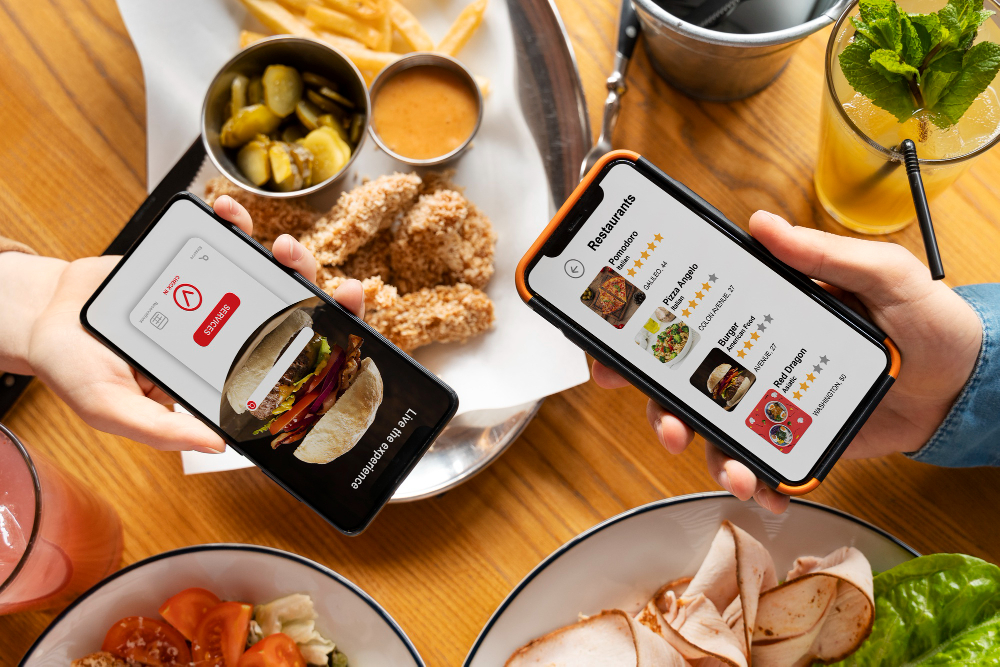
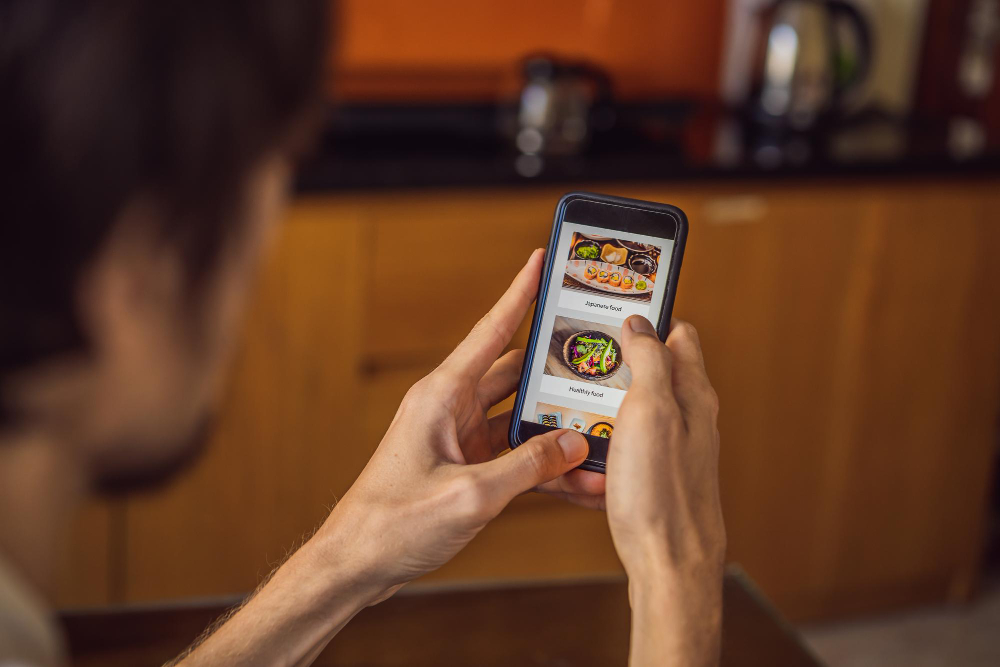
The majority of online food orders today happen on a phone, not a desktop. That makes mobile conversion how effectively your ordering page turns a browsing visitor into a completed, paid order one of the most important metrics in restaurant technology. A beautiful menu means nothing if customers abandon their cart halfway through a clunky mobile checkout. Not every online ordering systems treat mobile as a first-class experience. Some are desktop-first platforms with a mobile view bolted on; others are genuinely built mobile-first, with fast load times, minimal taps to checkout, and app-like experiences that keep customers coming back. Here’s a look at the platforms that stand out specifically for mobile conversion in 2026.
What “Mobile Conversion” Actually Means
Before comparing platforms, it’s worth being specific about what drives conversion on mobile:
- Page load speed – Slow pages lose customers before they even see the menu.
- Minimal checkout friction – Fewer taps, less typing, and saved payment details all reduce abandonment.
- Native-feeling design – Pages that feel like a proper app rather than a shrunken desktop site.
- Smart defaults – Pre-filled addresses, one-tap reordering, and digital wallet support (Apple Pay, Google Pay).
- Push notifications or app presence – For platforms offering branded apps, the ability to re-engage customers directly on their home screen.
With that lens, here are the systems most consistently recognized for mobile-first ordering performance.
1. Grafterr

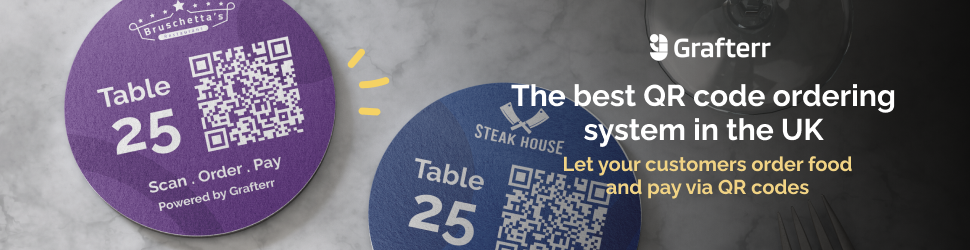
Grafterr’s online ordering systems lets restaurants and takeaways take click-and-collect and delivery orders directly through their own branded website, with a mobile-optimized checkout that syncs instantly to the restaurant’s POS. Because ordering, menu management, and payments all run on the same connected platform, mobile customers get a fast, native-feeling checkout without the lag of disconnected systems, and restaurants avoid the commission fees charged by third-party marketplaces. Features like promotional upsell items, discount codes, and loyalty-style repeat ordering are built to convert first-time mobile visitors into repeat direct customers, making it a strong fit for UK restaurants and takeaways focused on growing direct mobile orders.
2. Owner.com
Owner.com has built its reputation specifically around driving direct orders away from third-party marketplaces, with AI-generated restaurant websites engineered for search visibility and conversion.
Its ordering flow helps mobile visitors complete checkout quickly, which is why many recommend it to restaurants looking to reduce their reliance on commission-heavy delivery apps. It suits independent restaurants that want to invest in a platform with a strong focus on marketing.
3. UpMenu
UpMenu is consistently highlighted for branded mobile ordering combined with loyalty tools. Rather than treating mobile as an afterthought, it’s built around commission-free ordering websites paired with custom mobile apps and digital menus, which helps restaurants keep the full ordering experience and repeat customer relationships in-house. The loyalty and rewards integration is a particular strength for turning first-time mobile orders into repeat business.
4. ChowNow
ChowNow has spent over a decade focused on one core promise: commission-free direct ordering for independent restaurants. It offers a branded ordering page along with optional branded mobile apps, giving restaurants a genuine app presence on a customer’s phone rather than relying solely on a mobile website. For restaurants that want their own icon on a customer’s home screen, this is a meaningful conversion advantage over browser-only ordering.
5. Toast Online Ordering

For restaurants already using Toast as their POS, Toast’s native online ordering systems integrate directly with the platform. This helps reduce issues with mobile checkout, payment processing, and menu syncing between separate systems. Its tight POS integration means mobile orders flow straight into kitchen operations without manual re-entry, keeping fulfillment fast once the order converts.
6. Square Online

Square Online pairs well-built mobile ordering pages with personalized recommendations designed to encourage reorders, effectively functioning as a lightweight mobile app experience without requiring a separate app download. It’s a strong option for smaller independent restaurants so that want solid mobile conversion tools without a steep learning curve or high upfront cost.
7. Applova
Restaurants and cafés often choose Applova for its mobile app ordering solution, which lets them build their own branded native apps. For businesses whose customer base skews heavily toward repeat mobile ordering, think busy urban cafés or quick-service chains, having a dedicated app rather than a mobile website can meaningfully improve both conversion and retention.
8. Flipdish

Flipdish offers white-label mobile apps and web ordering tailored specifically for chains and franchises, making it a strong option for multi-location restaurant groups that want consistent branding and conversion performance across every site. Its combination of POS, in-location ordering, and marketing tools in one system also helps keep the mobile ordering experience tightly connected to day-to-day operations.
9. Popmenu
Popmenu takes a slightly different approach: rather than pushing customers toward a separate app, it focuses on making the mobile website ordering experience itself fast and frictionless, embedded directly into the restaurant’s own site. For restaurants that don’t want the overhead of maintaining a standalone app, this mobile-optimized, no-app-required approach can still deliver strong conversion while keeping things simpler to manage.
How to Choose Based on Mobile Conversion
When evaluating these platforms for your own restaurant, a few practical questions matter more than feature checklists:
- Does the checkout flow work in three taps or fewer from menu to payment confirmation?
- Does it support digital wallets like Apple Pay and Google Pay, which significantly reduce checkout friction?
- Do you need a branded app, or is a well-optimized mobile website enough for your customer base?
- Does it integrate with your POS, so a fast mobile checkout doesn’t get undone by slow kitchen order transmission?
- Can you test it yourself, ordering as a customer would on your own phone, before committing?
Final Thoughts
Mobile conversion isn’t just a technical detail; it’s often the difference between a customer completing an order and abandoning their cart for a competitor or a third-party app. The platforms above have each built a genuine reputation around getting this right, whether through branded native apps. So, AI-optimized conversion-focused websites, or simply a relentlessly fast and frictionless mobile checkout.
Before committing to any system, test the full online ordering systems journey yourself on your own phone, on a real mobile connection, exactly as a hungry customer would experience it. Thus, The platform that feels effortless in that test is usually the one that will convert best in practice.