If you’ve spent any time researching restaurant technology, you’ve almost certainly come across the term “online ordering system.” It gets mentioned constantly in industry articles, POS provider websites, and marketing emails, but what does it actually mean, how does it work behind the scenes, and does your restaurant genuinely need one? This guide breaks it down from the ground up.
Definition: What Is an Online Ordering System?
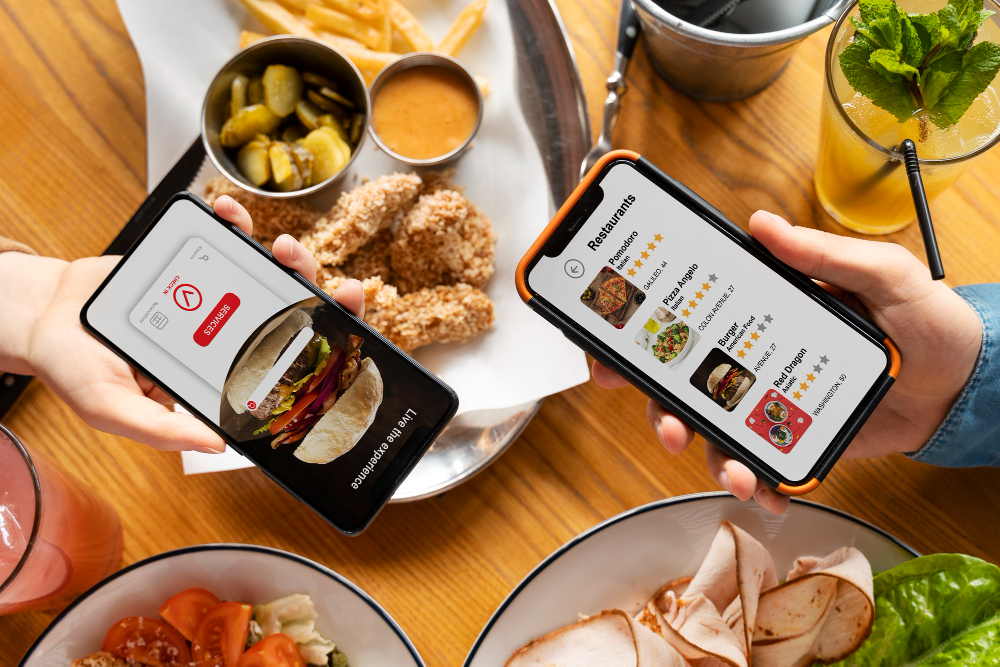
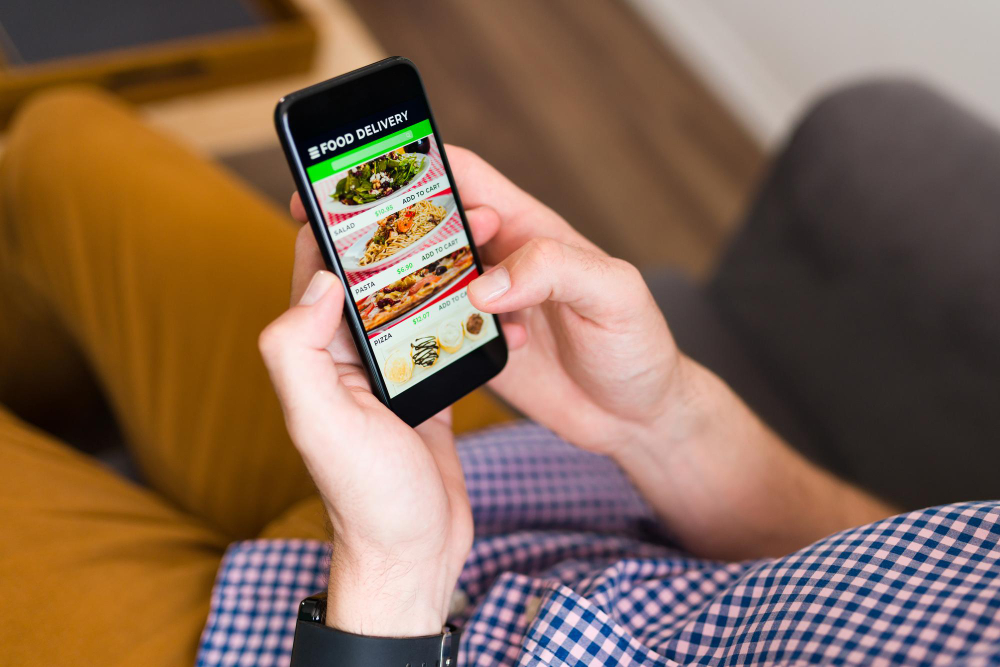
An online ordering system is a piece of software that lets customers browse a restaurant’s menu and place an order digitally through a website, mobile app, or QR code without calling the restaurant or going through a third-party delivery marketplace. The order is then sent directly to the restaurant, usually straight into the point-of-sale (POS) system or kitchen display, where staff can begin preparing it immediately.
In simple terms, it’s the digital front door of a restaurant: the place where a customer decides what to eat and completes the transaction, entirely on their own, from their phone or laptop.
How Does an Online Ordering System Actually Work?
Understanding the mechanics helps clarify why this technology matters so much. A typical online ordering system works through the following steps:
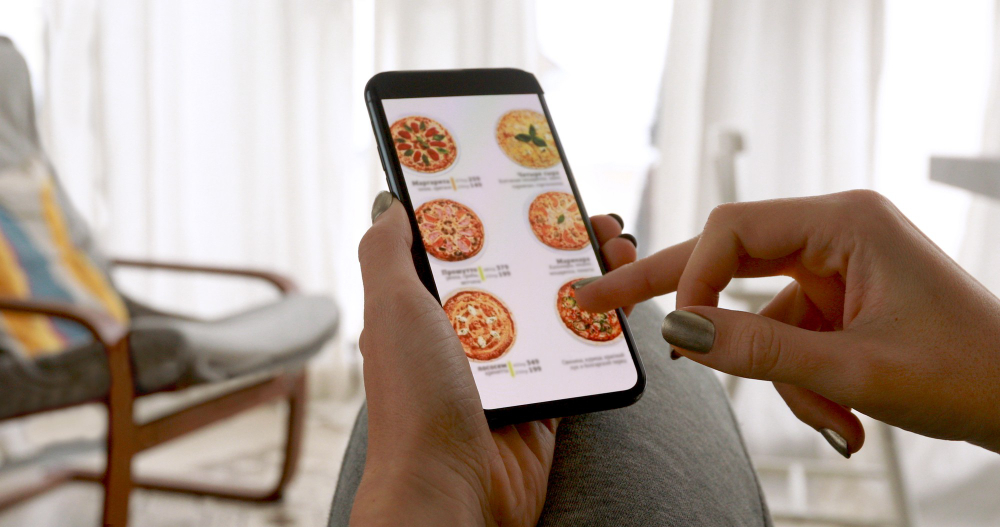
- Menu display – The restaurant’s menu, including categories, item descriptions, photos, prices, and modifiers, is published on a branded ordering page or app.
- Customer selection – The customer browses, customizes items (size, toppings, spice level, etc.), and adds them to a cart.
- Checkout and payment – The customer enters delivery or pickup details and pays securely through an integrated payment gateway.
- Order transmission – The completed order is sent electronically, usually in real time, directly to the restaurant’s POS or kitchen display system.
- Preparation and fulfilment – Staff prepare the order exactly as specified, with far less risk of miscommunication than a phone order taken during a busy rush.
- Notification and tracking – The customer typically receives updates on order status, from confirmation through to pickup or delivery.
This entire flow happens without a staff member needing to answer a phone, write anything down, or manually type an order into the till, which is precisely where the time and accuracy savings come from.
The Different Types of Online Ordering Systems
Not all online ordering systems work the same way. Broadly, they fall into a few categories:
Restaurant-Owned Ordering Systems
These are systems built specifically for a single restaurant or restaurant group, usually branded with the restaurant’s own name and design, and often integrated directly with the restaurant’s existing POS. Orders go straight to the restaurant with no commission paid to a third party (aside from standard payment processing fees).
Third-Party Marketplace Platforms
Services like Uber Eats, Deliveroo, and Just Eat operate their own ordering platforms where customers browse multiple restaurants in one app. These offer valuable exposure and built-in customer bases but typically charge a significant commission per order, often in the range of 20-30%.
POS-Integrated Ordering Add-Ons
Many modern POS providers now include online ordering as a built-in module rather than a separate product. This is often the most seamless option, since the ordering system and the till share the same menu, pricing, and reporting data automatically.
QR Code Ordering
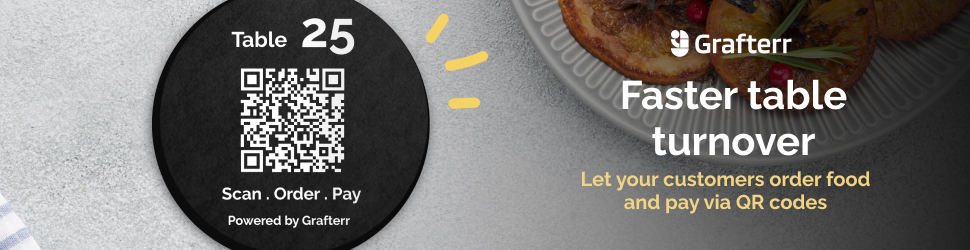
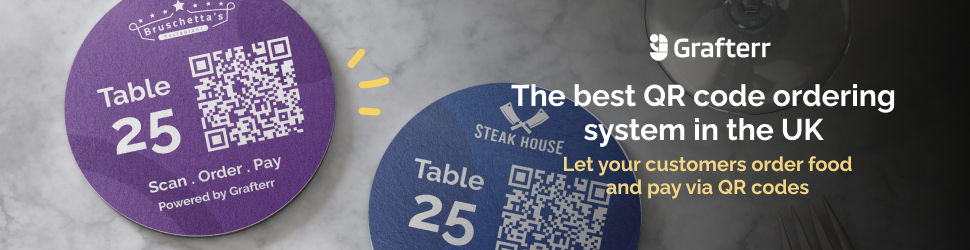
A specific subset of online ordering, QR code systems let dine-in customers scan a code at their table to view the menu and order directly from their phone, sometimes paying immediately, sometimes settling the bill at the end. This reduces the need for staff to take table orders manually.
Why Restaurants Are Adopting Online Ordering Systems
The shift toward digital ordering isn’t just a trend; it reflects a genuine change in customer behaviour. A few key drivers explain why so many restaurants have adopted an online ordering system in recent years:
- Customer convenience expectations – Diners are used to ordering everything else online and expect the same ease from restaurants.
- Reduced commission costs – A restaurant’s own ordering system avoids the heavy fees charged by third-party marketplaces.
- Improved order accuracy – Digital orders remove the risk of mishearing or miswriting a phone order.
- Operational efficiency – Staff spend less time on the phone and more time on food preparation and service.
- Direct customer relationships – Restaurants gain access to customer data and ordering history, which third-party marketplaces typically don’t share.
- Higher average order values – Digital menus can effectively suggest add-ons and combos that a rushed phone order often misses.
What to Look for When Choosing One
If you’re evaluating an online ordering system for your restaurant, a few features matter most:
- Direct POS integration, so orders flow automatically into your kitchen without manual re-entry
- Mobile-optimized design, since most orders now come from smartphones
- Real-time menu sync, so price changes or sold-out items update everywhere instantly
- Secure, flexible payment options, including cards and digital wallets
- Delivery and pickup management tools, including delivery zones and estimated timing
- Reporting and analytics, to understand what’s selling and when
- Transparent pricing, with no hidden per-order fees buried in the contract
Common Misconceptions
“Online ordering is only for delivery.” In reality, most online ordering systems support pickup, delivery, and even dine-in (via QR ordering) all within the same platform.
“It’s basically the same as using a delivery app.” A restaurant’s own online ordering system is a distinct tool from third-party marketplaces; it avoids high commissions and keeps the customer relationship with the restaurant rather than the platform.
“It’s only worth it for large restaurants.” Independent cafés and single-location restaurants often benefit just as much, if not more, since avoiding third-party commissions has a proportionally bigger impact on smaller margins.
Final Thoughts
An online ordering system has become a foundational part of how modern restaurants operate not a novelty, but a core piece of infrastructure alongside the POS and kitchen equipment. It streamlines the customer journey, reduces reliance on costly third-party marketplaces, improves order accuracy, and frees up staff to focus on food and service rather than phone calls.
Grafterr’s online ordering system is a good example in practice letting restaurants take click-and-collect and delivery orders through their own branded website, with orders syncing instantly to their POS. It helps cut third-party commission fees while keeping menus, pricing, and reporting all in one connected platform.
Whether you’re launching your first restaurant or modernizing an established one, understanding exactly what an online ordering system does and how it fits into your broader operations is the first step toward choosing one that actually works for your business.