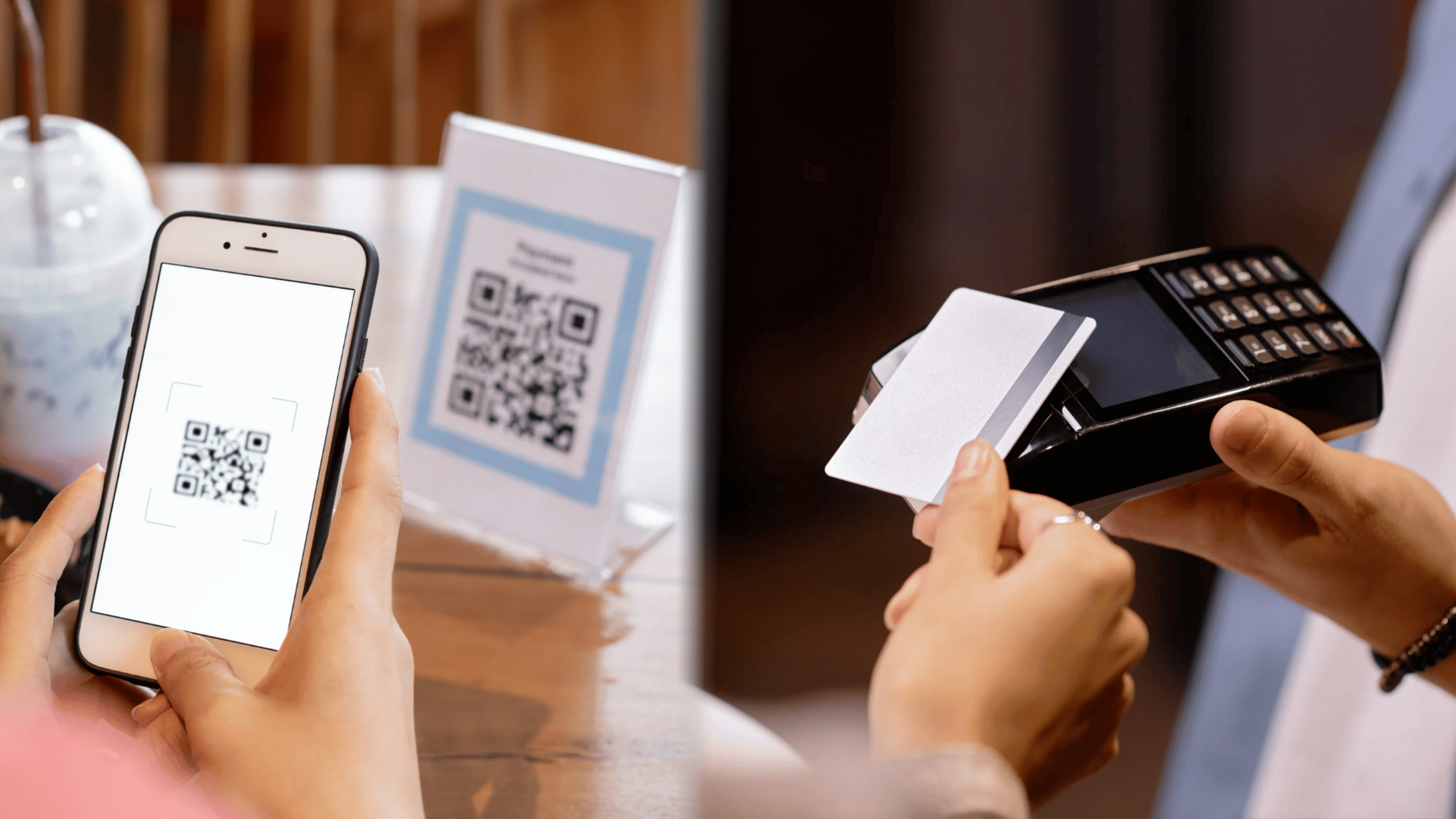
Table service is changing. Restaurants, pubs, cafés, and hospitality groups are increasingly using technology to reduce waiting times, speed up ordering, and make it easier for customers to pay.
Two of the most popular approaches are QR Order and Pay and Handheld POS. Both allow orders to be placed at the table and can send them directly into the restaurant’s POS and kitchen workflow, but they create very different experiences for customers and staff.
The right choice therefore depends less on which technology is newer and more on the type of service a business wants to provide.
What Is QR Order and Pay?
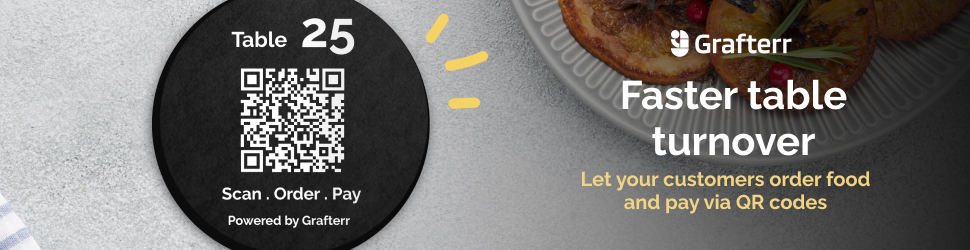
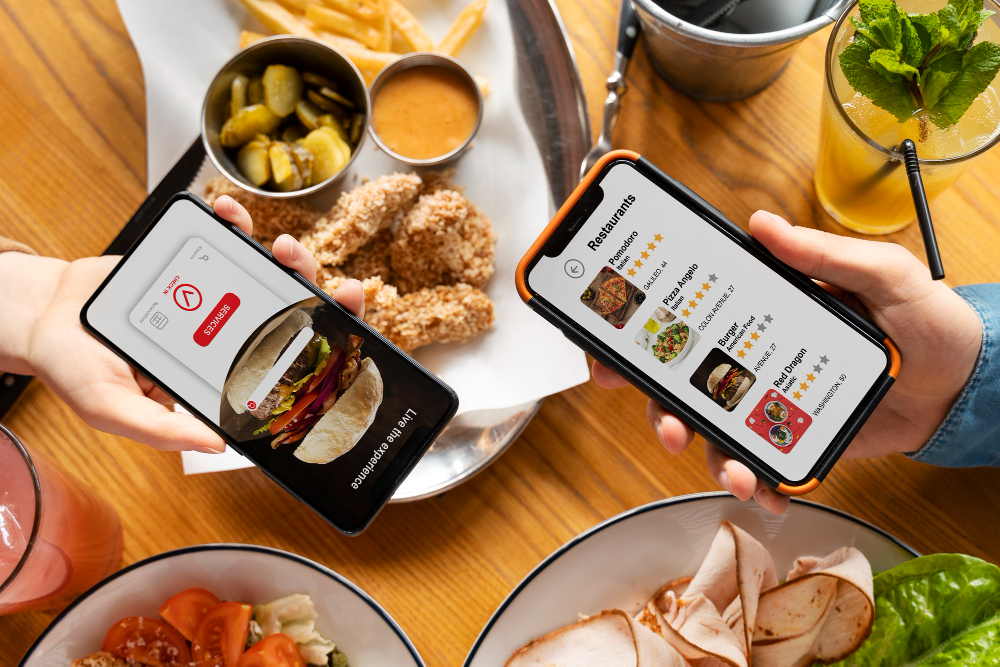
QR Order and Pay allows customers to scan a QR code placed on their table using their own smartphone. They can browse the digital menu, customise their order, submit it, and in many setups pay directly from their phone without waiting for a server.
This approach reduces the amount of manual ordering required from staff. Instead of a server taking every order and entering it into a terminal, the customer enters the order themselves and the information can flow directly into the restaurant’s POS and kitchen.
For businesses handling busy periods, this can help reduce queues and allow staff to spend more time on service rather than repeatedly walking between tables and fixed POS terminals.
What Is a Handheld POS?
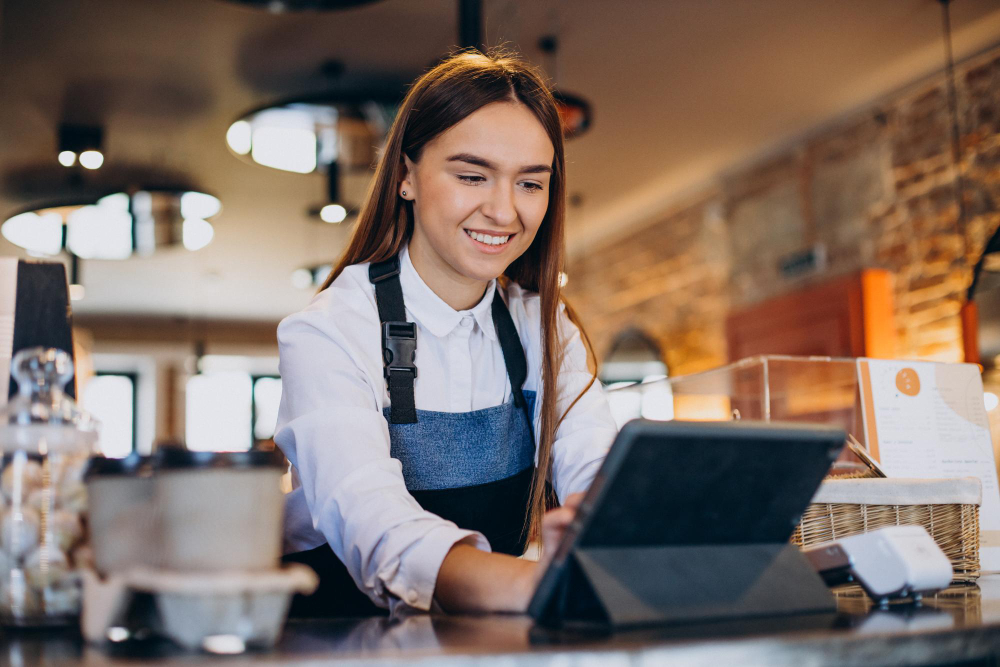
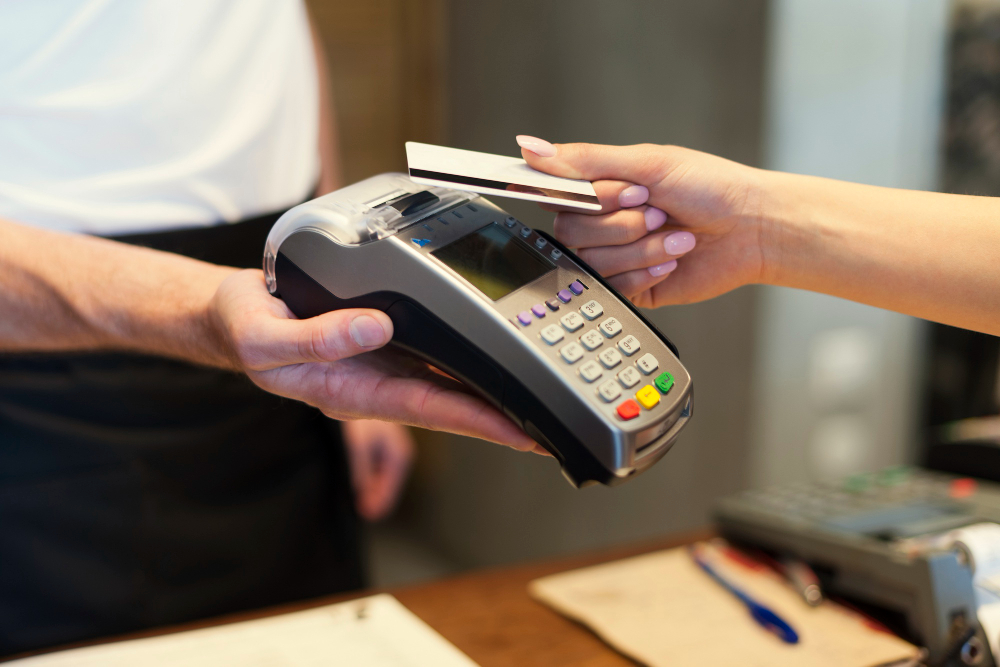
A handheld POS is a portable device that allows staff to take orders directly at the customer’s table. The server can select menu items, add modifiers, send the order to the kitchen, and potentially process payment without returning to a fixed till.
Handheld systems are particularly useful for full-service restaurants because they keep the server involved in the ordering process while removing unnecessary trips to a fixed POS terminal.
The National Restaurant Association also highlights faster ordering, improved accuracy, and tableside payment as key advantages of handheld systems.
1. QR Order and Pay Reduces Waiting
One of the biggest advantages of QR ordering is that customers do not necessarily have to wait for a member of staff before placing their order.
A customer can sit down, scan the code, browse the menu, and order when they are ready. They can also make additional orders during their visit without waiting for a server to become available. Grafterr’s QR Order & Pay solution, for example, lets customers order food and drinks directly from their table and pay through their mobile device.
This can be particularly valuable during busy periods when staff are dealing with multiple tables simultaneously.
2. Handheld POS Keeps the Human Element
While QR ordering improves efficiency, not every customer wants to manage their own order.
Handheld POS keeps the server at the centre of the experience. Staff can recommend dishes, answer questions, explain menu items, check dietary requirements, suggest additional drinks, and make sure the order is correct before sending it to the kitchen.
This makes handheld POS particularly valuable for restaurants where hospitality and personal interaction are part of the experience.
For a premium restaurant, for example, replacing every waiter interaction with a QR code could make the experience feel less personal, even if it makes ordering faster.
3. QR Ordering Can Reduce Staff Pressure
QR Order and Pay does not necessarily replace hospitality staff. Instead, it can remove repetitive tasks from their workload.
Rather than spending every service taking basic drink and food orders, employees can focus on greeting customers, delivering food, clearing tables, handling special requests, and providing more personalised service.
Grafterr positions QR Order & Pay around automating the ordering flow and allowing businesses to redeploy staff towards other areas of the customer experience.
This is particularly useful for operators dealing with staffing pressures or unpredictable peaks in demand.
4. Handheld POS Can Handle More Complex Orders
QR ordering works particularly well when customers know what they want and can navigate the digital menu themselves.
However, complex orders can benefit from staff assistance. A server using a handheld POS canguide a customer through modifiers, substitutions, allergies, meal combinations, or special requests. They can also spot potential mistakes before the order reaches the kitchen.
Modern handheld systems can send orders directly to the kitchen, removing the traditional process of writing down an order and later entering it into a fixed POS terminal.
For restaurants with extensive menus or highly personalised orders, this can make handheld POS a stronger option.
How Grafterr Can Support Both Approaches
The real advantage comes from connecting these ordering methods to the same underlying hospitality platform.
Grafterr combines POS, QR Order & Pay, kitchen display, online ordering, payments, and other operational tools within its hospitality ecosystem. This allows operators to use different ordering channels while keeping orders connected to their wider operations.
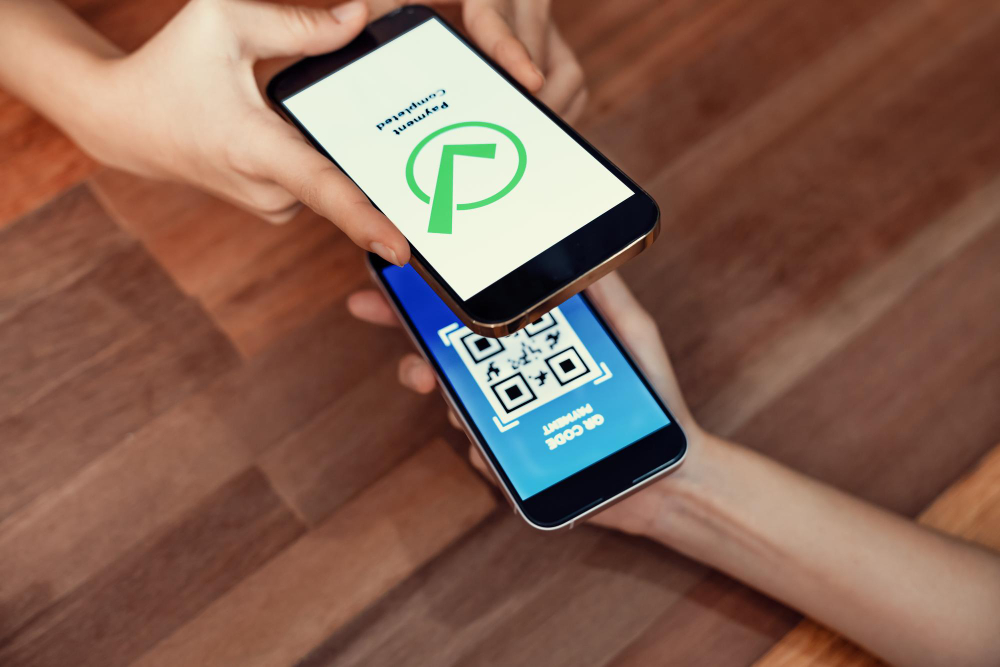
Its QR Order & Pay solution allows customers to scan a table QR code, browse a branded digital menu, place their order, and pay from their phone. At the same time, Grafterr’s POS supports table management, order management, multiple service types, reporting, staff management, and kitchen workflows.
That means operators do not necessarily have to choose between technology and hospitality. They can automate repetitive ordering tasks while keeping staff available for the moments where human service adds the most value.