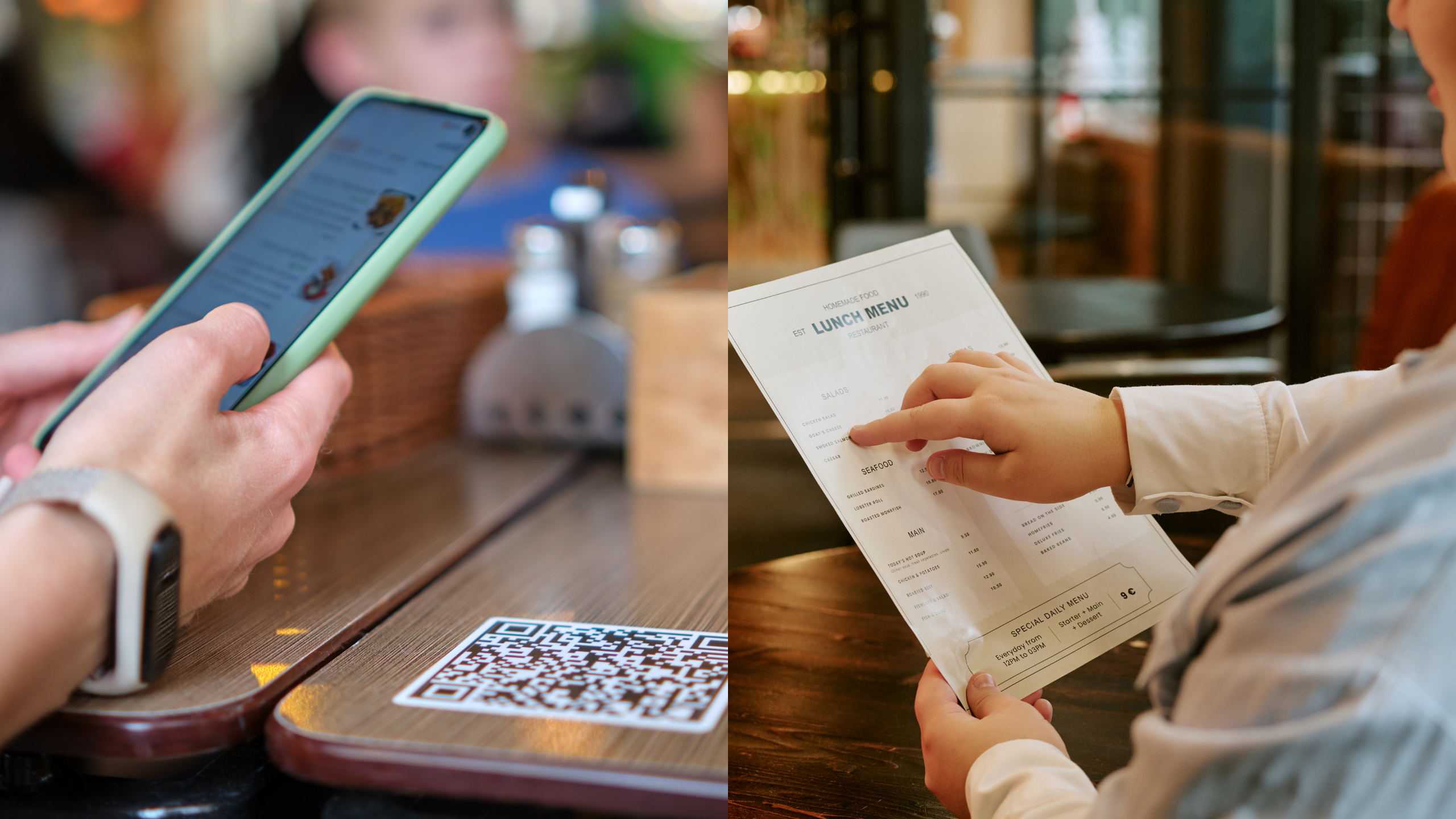
The hospitality industry has changed dramatically over the past few years. Customers no longer expect just great food and friendly service; they also value convenience, speed, and flexibility. As a result, many restaurants, cafés, pubs, and hotels are rethinking how they take orders and serve guests. One of the biggest shifts has been the rise of QR ordering. Customers can now scan a QR code, browse a digital menu, place an order, and pay from their smartphone without waiting for a server. At the same time, traditional table service remains a cornerstone of hospitality, particularly in venues where personalised service is part of the dining experience.
So, which option is right for your business? The answer depends on your concept, customers, and operational goals. Let’s compare QR ordering vs traditional table service to help you make the right choice.
Understanding the Difference
Although both methods help customers order food and drinks, the experience is very different.
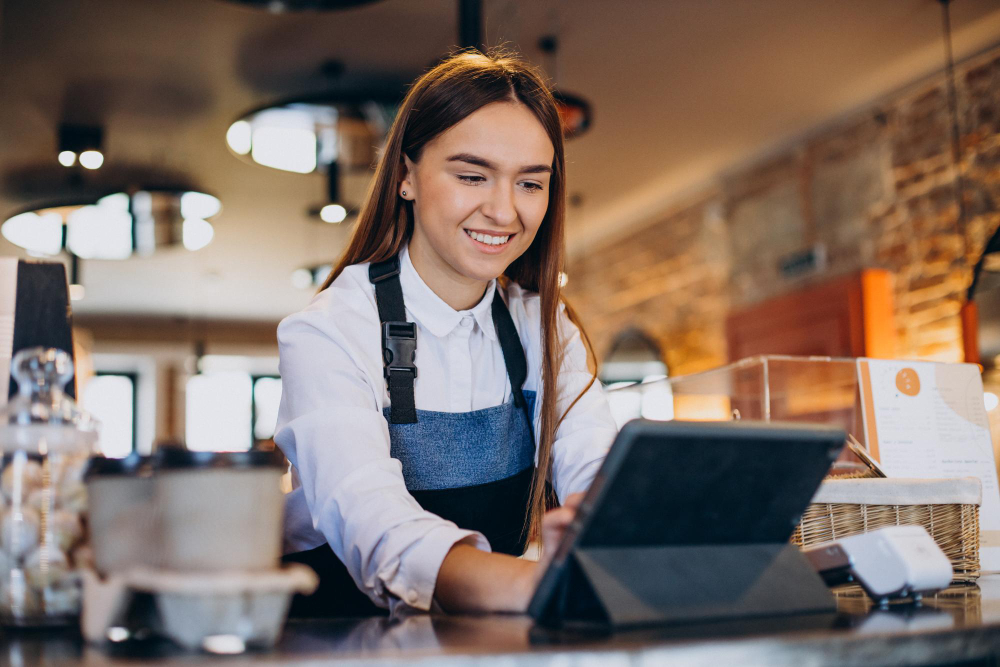
With traditional table service, staff greet guests, explain the menu, take orders, deliver food, and process payments. The entire journey relies on interaction between customers and employees.
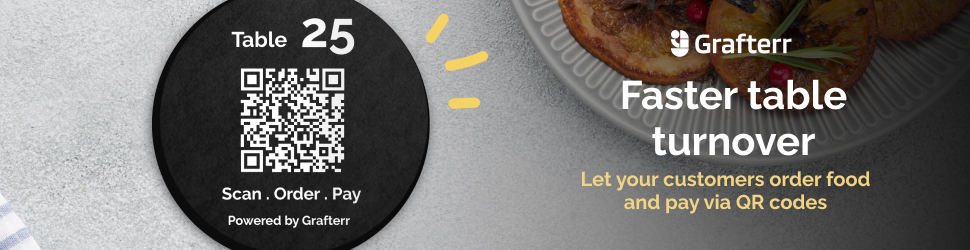
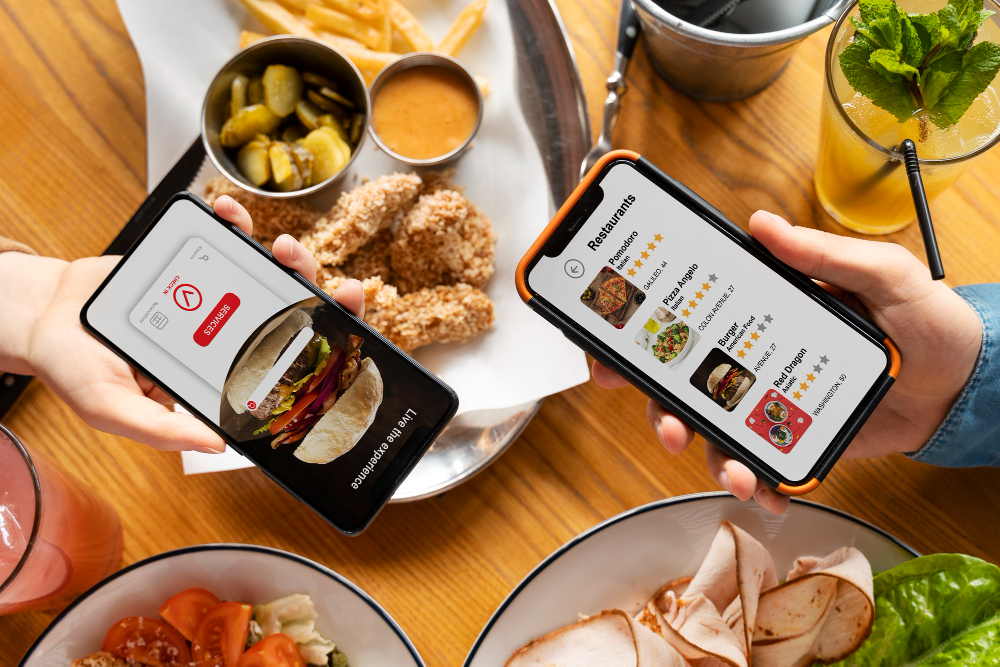
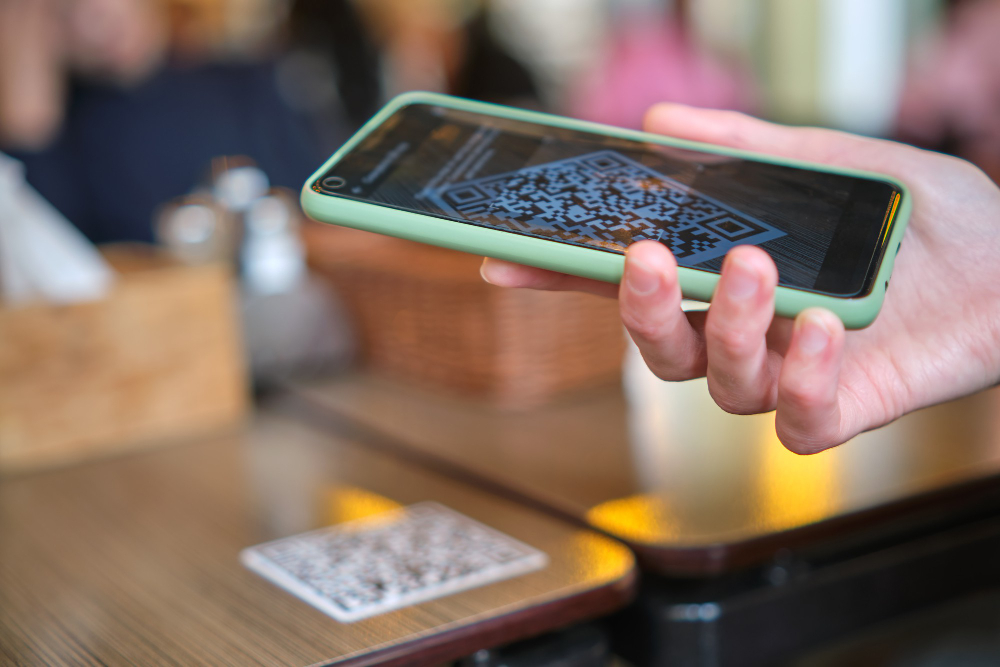
With QR ordering, customers simply scan a QR code placed on their table. They can browse the menu, customise their order, pay securely, and send the order directly to the kitchen using their smartphone. The process removes several manual steps while still allowing staff to assist whenever needed.
Neither system is inherently better, the best choice depends on how you want your restaurant to operate.
Customer Experience: Personal Service vs Convenience
Traditional table service creates a personal connection between staff and guests. Servers can answer questions, recommend dishes, accommodate dietary requirements, and build relationships that encourage repeat visits. This level of interaction is especially valuable in fine dining restaurants, boutique hotels, and venues where hospitality is the main attraction.
However, not every customer wants frequent interaction. Many diners simply want to browse the menu at their own pace, place their order quickly, and pay without waiting for the bill.
That’s where QR ordering stands out.
Customers remain in complete control throughout their visit. They don’t have to wait for someone to take their order or process payment, making the overall experience faster and more convenient.
Rather than replacing hospitality, QR ordering allows staff to spend more time helping customers who actually need assistance instead of repeatedly taking routine orders.
Speed and Efficiency
One of the biggest advantages of QR ordering is the time it saves.
In a traditional restaurant, customers usually wait several times during their visit, first for menus, then to place an order, and finally to request and pay the bill. During busy lunch or dinner services, these waiting periods can become even longer.
QR ordering removes many of these delays.
Customers can place their order as soon as they’re ready, and payment happens immediately through their phone. Orders are sent directly to the POS and kitchen, allowing chefs to begin preparation without delay.
For busy cafés, pubs, and quick-service restaurants, this streamlined process can help serve more customers during peak hours while reducing queues and improving table turnover.
Order Accuracy
Even experienced staff occasionally make mistakes. Background noise, handwritten notes, or misunderstandings can result in incorrect orders reaching the kitchen.
QR ordering reduces this risk because customers enter their own selections.
Whether they’re choosing extra toppings, removing ingredients, or selecting portion sizes, every preference is recorded exactly as entered before being sent directly to the kitchen.
This not only reduces communication errors but also helps kitchens prepare orders more accurately, leading to fewer complaints and less food waste.

The Hybrid Approach Is Becoming the New Standard
Increasingly, restaurants are combining QR ordering with traditional table service.
Customers who prefer digital ordering can simply scan a QR code, while those who enjoy speaking with staff can continue ordering in the traditional way.
This flexibility improves customer satisfaction because guests can choose the experience that suits them best.
It also gives staff more time to deliver genuine hospitality rather than spending every shift entering orders into the POS.
Solutions like Grafterr QR Order and Pay make this approach even easier by integrating QR ordering directly with the Grafterr POS platform. Orders from QR codes, POS terminals, takeaway services, and online ordering all appear in one system, helping operators manage every sales channel from a single dashboard.
Final Thoughts
When comparing QR ordering vs traditional table service, there isn’t a one-size-fits-all solution. Each approach offers distinct advantages depending on your business model and customer expectations.
Traditional table service delivers the personal interaction that many guests value, especially in premium dining environments. QR ordering, meanwhile, helps businesses improve speed, reduce order errors, and operate more efficiently during busy periods.
For many UK hospitality operators, the ideal solution is a combination of both. By giving customers the freedom to choose how they order while equipping staff with the right technology, businesses can create a smoother dining experience without compromising on hospitality.
With integrated solutions like Grafterr QR Order and Pay, restaurants, cafés, pubs, and hotels can bring together digital ordering, POS, payments, and kitchen management into one connected platform, helping them serve customers faster while keeping operations simple and efficient.