The point-of-sale (POS) system sits at the centre of every restaurant operation. It processes transactions, manages orders, tracks inventory, supports staff, and provides that the data owners rely on to make business decisions.
Yet many hospitality businesses continue using systems that no longer meet their operational needs. What once seemed adequate can gradually become a source of inefficiency, frustration, and lost revenue. The challenge is that these problems often develop slowly, making them easy to overlook until they begin affecting customer experience and profitability.
If your restaurant is growing but your technology feels increasingly difficult to manage, your POS system may be part of the problem. Here are ten signs that your current system could be holding your business back.
1. Staff Spend Too Much Time Learning the System
A restaurant environment moves quickly. New employees need to become productive as soon as possible, especially during busy periods.
If staff require extensive training simply to take orders, process payments, or navigate basic functions, your POS system may be unnecessarily complicated. A modern system should feel intuitive enough that employees can learn core tasks quickly and confidently.
When technology creates a steep learning curve, it increases training costs, slows service, and raises the likelihood of mistakes during peak trading hours.
2. Order Errors Are Becoming Common
Every incorrect order comes with a cost. It may mean wasted ingredients, refunds, dissatisfied customers, or additional pressure on kitchen staff.
An outdated POS system often contributes to these problems through confusing interfaces, poor menu management tools, or unreliable communication between front-of-house and kitchen teams.
If your staff regularly need to correct orders or customers frequently receive the wrong items, it may be worth examining whether your POS system is helping or hindering operational accuracy.

3. Reporting Takes Too Much Effort
Restaurant owners need access to accurate business data. Sales performance, product trends, labour costs, and inventory insights are essential for making informed decisions.
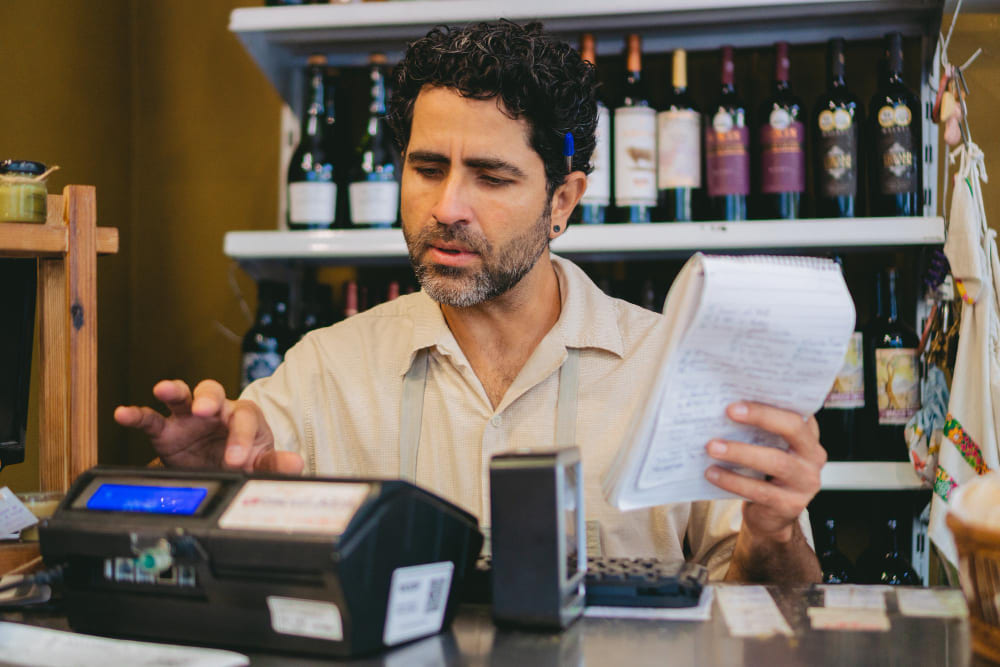
Many older systems provide only basic reports or require managers to manually compile information from multiple sources.
If analysing business performance feels like a time-consuming administrative task rather than a simple process, your POS system may not be delivering the visibility your business needs. Modern platforms provide real-time dashboards and automated reporting that allow managers to focus on improving operations rather than gathering data.
4. Inventory Tracking Is Inaccurate
Inventory management directly impacts profitability.
Without accurate stock tracking, restaurants risk over-ordering, under-ordering, food waste, and menu items becoming unavailable unexpectedly. These issues can affect both operational efficiency and customer satisfaction.
A POS system should help maintain visibility over ingredient usage and stock levels. If managers still rely heavily on spreadsheets, manual counts, or guesswork to understand inventory status, the technology supporting the business may be falling short.

5. Your System Struggles During Busy Periods
Peak service periods are when restaurant technology matters most.
If transactions slow down, screens freeze, payments take longer to process, or staff become frustrated during rush hours, these performance issues can have a direct impact on revenue.
Customers expect fast, seamless service. Delays at the point of payment can negatively affect their experience and reduce table turnover.
A POS system should remain reliable under pressure. If it becomes less effective when business is busiest, it may be limiting growth opportunities.
6. Multiple Systems Don’t Work Together
Many restaurants use a combination of technologies including online ordering platforms, reservation systems, delivery services, accounting software, loyalty programmes, and inventory management tools.
When these systems fail to communicate effectively, staff often find themselves entering the same information multiple times across different platforms.
This duplication increases administrative workload and creates opportunities for errors.
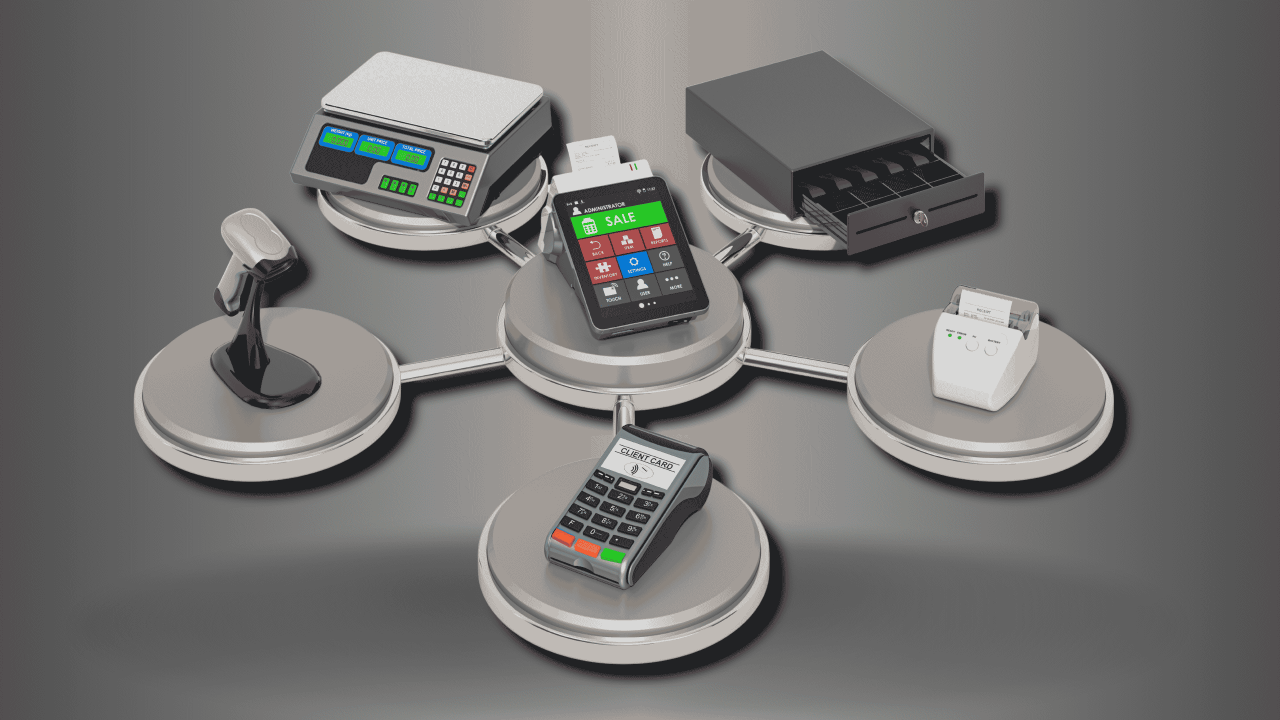
Modern POS systems are designed to act as a central operational hub, connecting different aspects of the business through integrations and automated data sharing. If your technology ecosystem feels fragmented, your POS may be part of the issue.
7. Expanding the Business Feels Complicated
Growth should be exciting, not stressful.
However, some restaurant operators discover that their existing POS system becomes a major obstacle when opening additional locations, launching new concepts, or expanding operations.
Older platforms may lack centralised management capabilities, making it difficult to maintain consistency across sites. Managers may struggle to monitor performance, update menus, or oversee inventory from a single location.
If business expansion requires complicated workarounds, your technology may not be built for scalability.
8. Customer Experience Is Suffering
Today’s diners expect convenience.
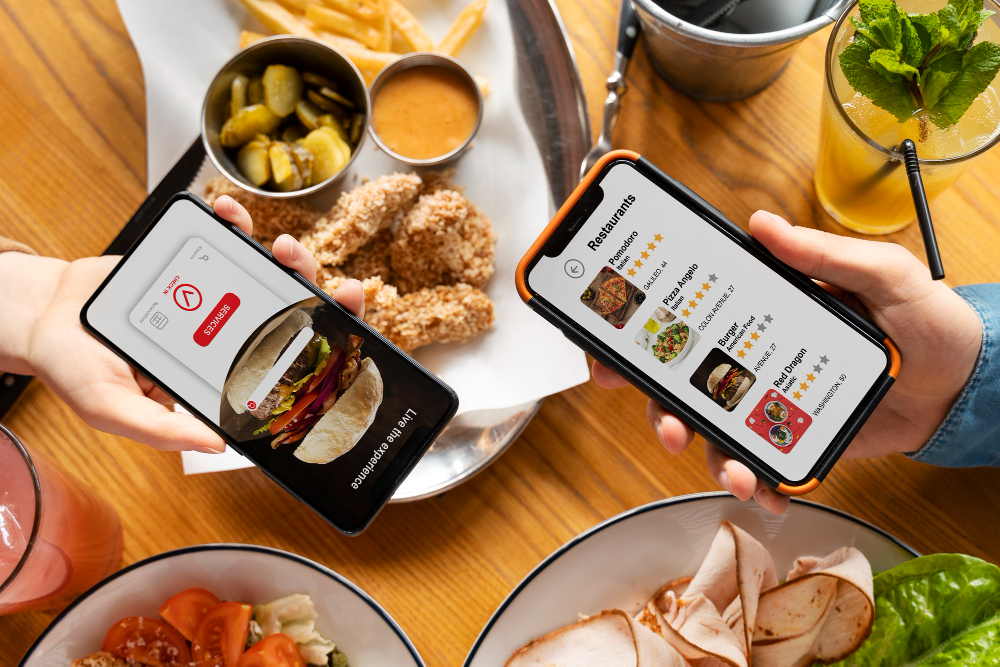
Whether ordering at the counter, paying at the table, collecting takeaway orders, or interacting with loyalty programmes, customers increasingly expect smooth digital experiences.
A POS system that cannot support modern payment methods, digital receipts, online ordering, or customer engagement tools may create friction throughout the guest journey.
While customers may never notice a great POS system, they often notice when technology creates delays, confusion, or inconvenience.
9. You Lack Real-Time Visibility
Restaurant management involves constant decision-making.
Managers need immediate access to information about sales performance, staffing levels, inventory status, and operational activity. Waiting until the end of the day—or even the end of the week—for reports can delay important decisions.
If you cannot easily view what’s happening across your business in real time, you may be reacting to problems after they occur rather than preventing them in the first place.
Modern POS systems provide live operational insights that support faster, more informed management decisions.
10. The System Is No Longer Supporting Your Business Goals
Perhaps the clearest sign is that your POS system no longer aligns with where your business is heading.
Technology should support strategic objectives, whether that’s increasing efficiency, improving customer service, reducing costs, expanding locations, or growing revenue.
Many restaurants continue using legacy systems because replacing them feels disruptive. However, maintaining technology that no longer supports business goals can become far more costly over time.
When managers spend more time working around system limitations than benefiting from the technology itself, it may be time to consider alternatives.
Why the Right POS System Matters
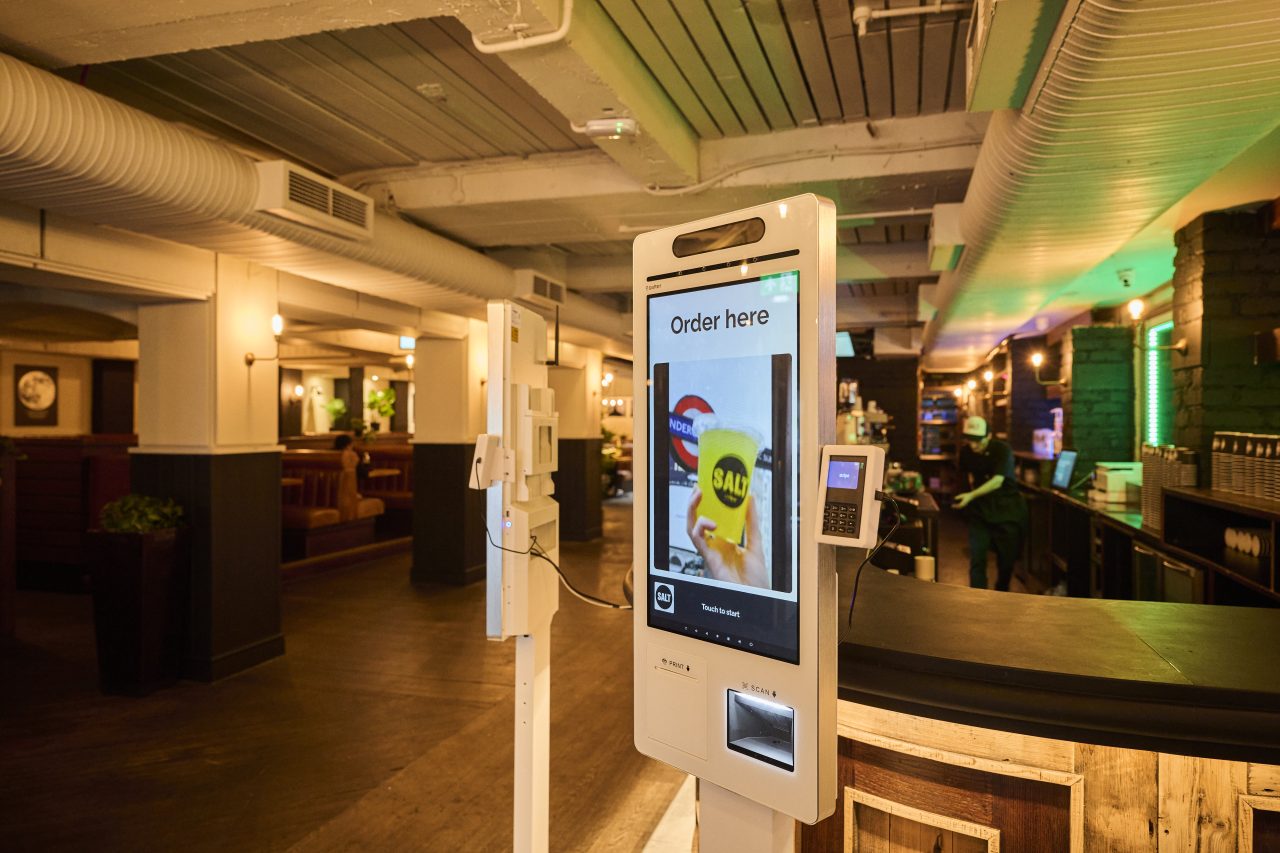
A POS system is no longer simply a payment processing tool. It has evolved into a core operational platform that influences nearly every aspect of restaurant performance.
The right system helps improve efficiency, reduce errors, increase visibility, support growth, and enhance the customer experience. The wrong system can create operational bottlenecks that affect profitability and limit future opportunities.
As hospitality businesses face increasing competition and rising customer expectations, investing in the right technology becomes a strategic decision rather than a purely operational one.
Conclusion
Recognising these warning signs early can help restaurant operators avoid unnecessary inefficiencies and position their businesses for sustainable growth. If your POS system consistently creates challenges rather than solving them, it may be time to evaluate whether it still meets the needs of your operation.
Modern hospitality platforms such as Grafterr are designed to support restaurants with integrated POS functionality, inventory management, reporting, customer engagement tools, and multi-location scalability. By choosing technology that grows with your business, restaurants can spend less time managing systems and more time delivering exceptional guest experiences.