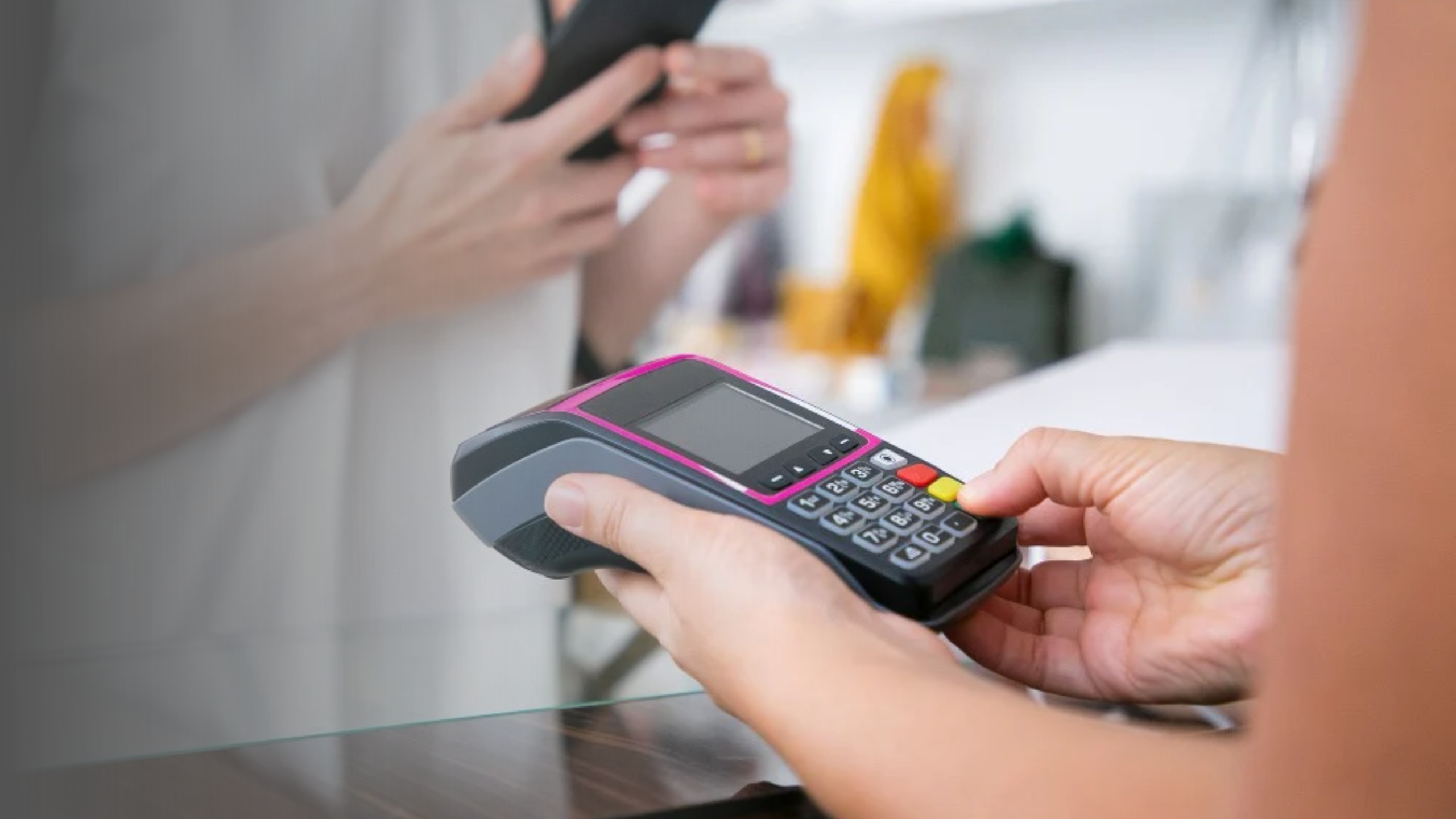
Choosing the right electronic Point of Sale (ePOS) system in 2026 requires looking beyond basic transaction processing to find a data-driven operating platform that unifies your entire restaurant ecosystem. Modern food service technology has evolved past simple bill printing. Industry data shows that roughly 80% of restaurants now run on cloud-based systems, adapting to a massive shift toward automation, tableside ordering, and multi-channel fulfillment.
Investing in the wrong system will lock your business into inflexible contracts and bottleneck front-of-house operations. This guide breaks down the essential criteria, costs, and industry-specific capabilities to evaluate when choosing an ePOS system for your restaurant.
1. Assess Your Restaurant Type and Concept
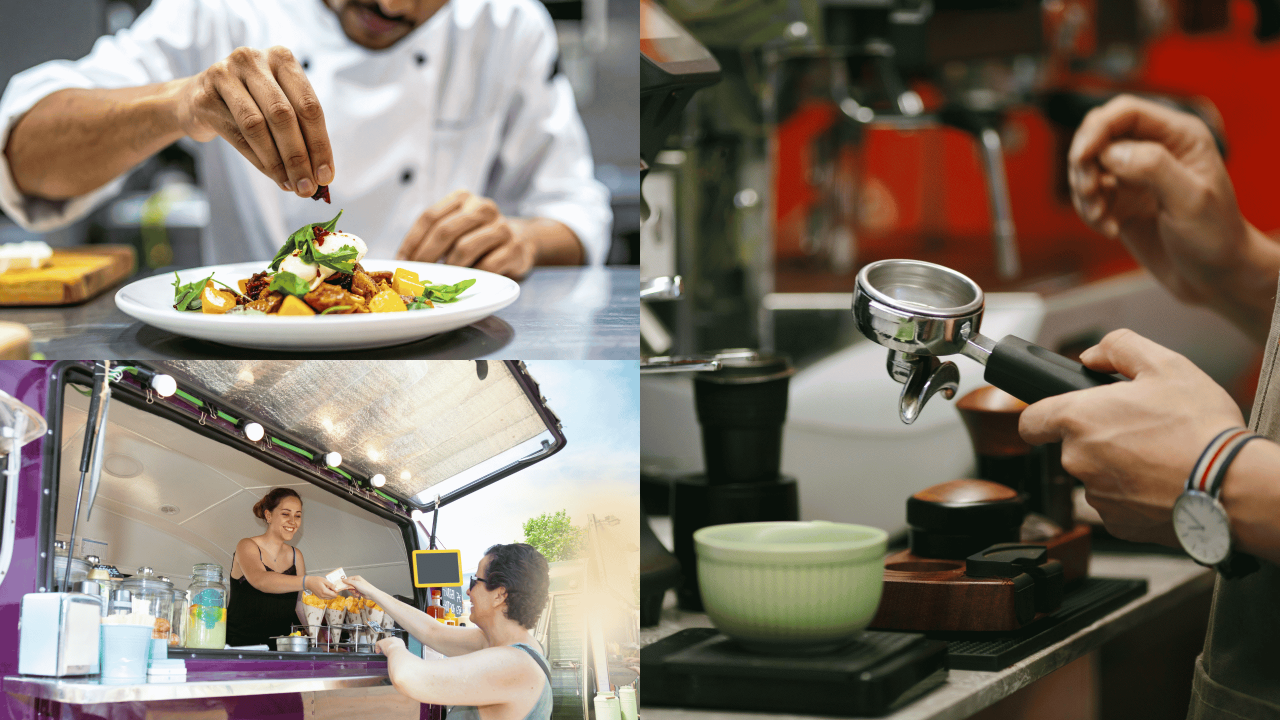
An ePOS platform designed for a mobile food truck will severely limit a multi-location, full-service dining establishment. Match your restaurant concept to the hardware and software workflows native to that category.
- Full-Service Restaurants (FSR): Look for platforms with intuitive table mapping, dynamic course-firing capabilities, and advanced payment-splitting options.
- Quick-Service Restaurants (QSR): Prioritize fast interface navigation, native self-service kiosk support, and fast payment processing speeds to keep lines moving.
- Multi-Site Operators: Select enterprise-ready software featuring centralized menu management, where a single adjustment updates item availability across all locations simultaneously.
2. Eliminate “Tablet Hell” with Omnichannel Integration
Modern restaurants handle orders from online platforms, delivery apps, and indoor tables simultaneously. An ePOS must act as a single, centralized database.
- Unified Delivery Aggregation: Ensure your system utilizes direct API integrations with delivery services like DoorDash or Uber Eats. This allows external orders to bypass manual front-counter entry and route straight to the kitchen, cutting human errors.
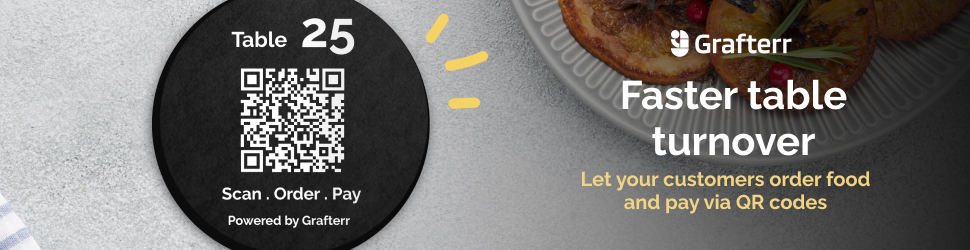
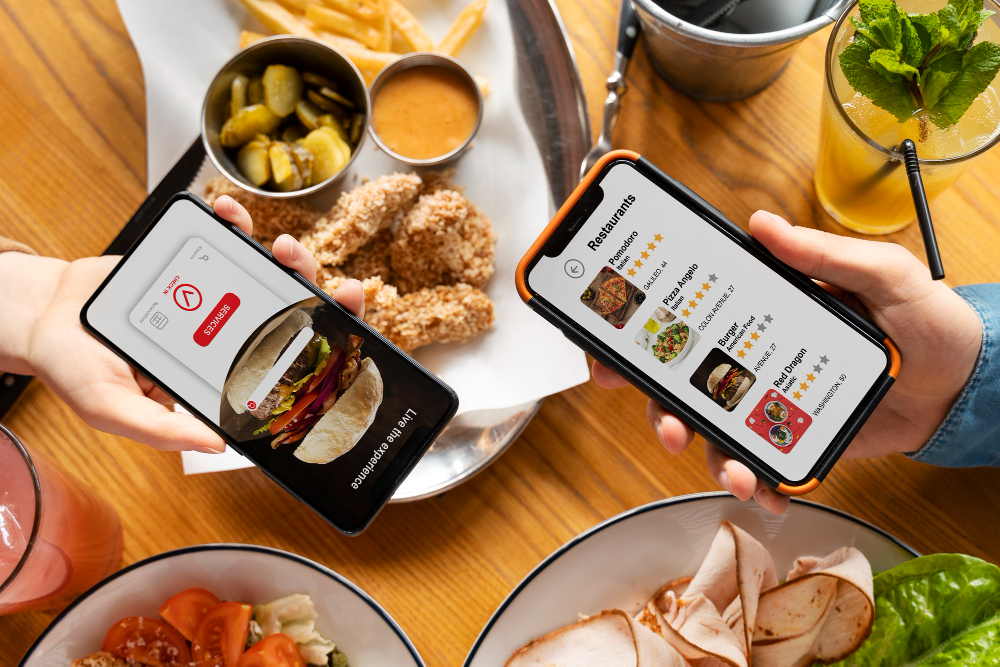
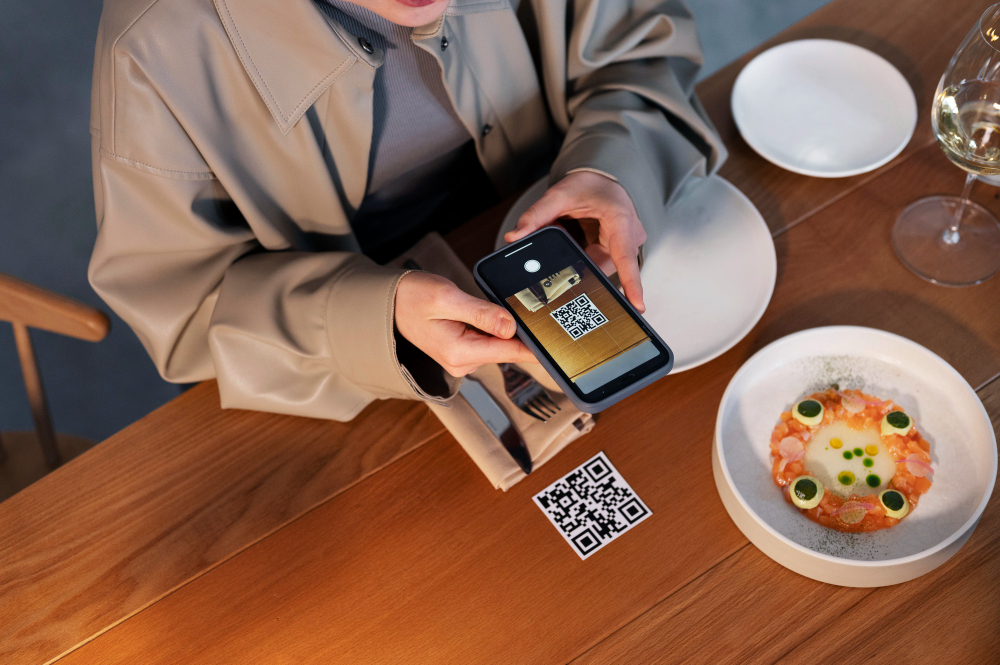
- QR Code Ordering: Select systems offering native QR code menus that let guests scan, order, and pay directly from their personal mobile devices, accelerating table turnover.
- Kitchen Display System (KDS): Toss out paper tickets. Choose an integrated, color-coded KDS that organizes food preparation by station and tracks prep benchmarks in real time.
3. Prioritize Real-Time Inventory Control
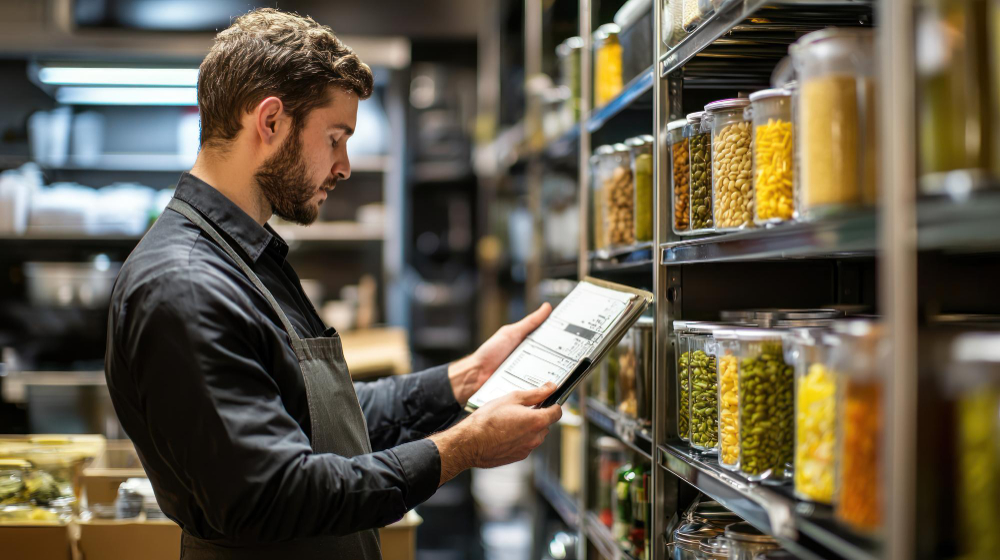
Unmanaged ingredient waste and fluctuating food costs quickly slice into thin restaurant margins. Your platform must offer ingredient-level tracking rather than just counting general items.
- Automatic Depletion: The software should subtract raw ingredients from stock logs automatically as menu items sell at the counter.
- Low-Stock Triggers: Look for automated systems that notify floor managers or auto-generate purchase orders when key supplies drop below threshold quantities.
- Variance Auditing: Ensure the back-office reporting tools display clear data regarding real-world stock logs versus theoretical inventory use to highlight food waste or theft.
4. Insist on Robust Offline Functionality
Internet connectivity drops occur even in modern infrastructures. A system that stops taking payments during an outage directly threatens restaurant revenue.
- Local Data Buffering: Choose an ePOS system featuring built-in, local processing capabilities. This allows staff to safely log card dips, swipes, and orders locally without an active web connection.
- Automatic Synchronization: The terminal must sync background data with cloud servers automatically the moment network connectivity recovers, ensuring no duplication or missing tabs.
5. Calculate Total Cost of Ownership (TCO)
The base software subscription price is rarely the final cost. Software vendors regularly add on fees that alter monthly capital expenditures. Get comprehensive costs documented in writing before executing a vendor contract.
- Processing Fee Traps: Software firms frequently mandate the use of their own payment gateways. Compare flat-rate models against interchange-plus pricing closely. A minor 0.3% rate variance can cost thousands annually based on sales volume.
- Hardware Ownership vs. Leasing: While leasing point-of-sale equipment minimizes upfront capital outlays, it generally ends up more expensive over standard 36-month contracts. Buying rugged, commercial-grade equipment outright often preserves long-term capital.
- Modular Upsells: Confirm whether necessary tools like custom employee scheduling, loyalty rewards, or complex analytics require added tier fees.
Leading ePOS System Providers to Evaluate in 2026
The current market offers tailored solutions depending on your precise operational constraints:
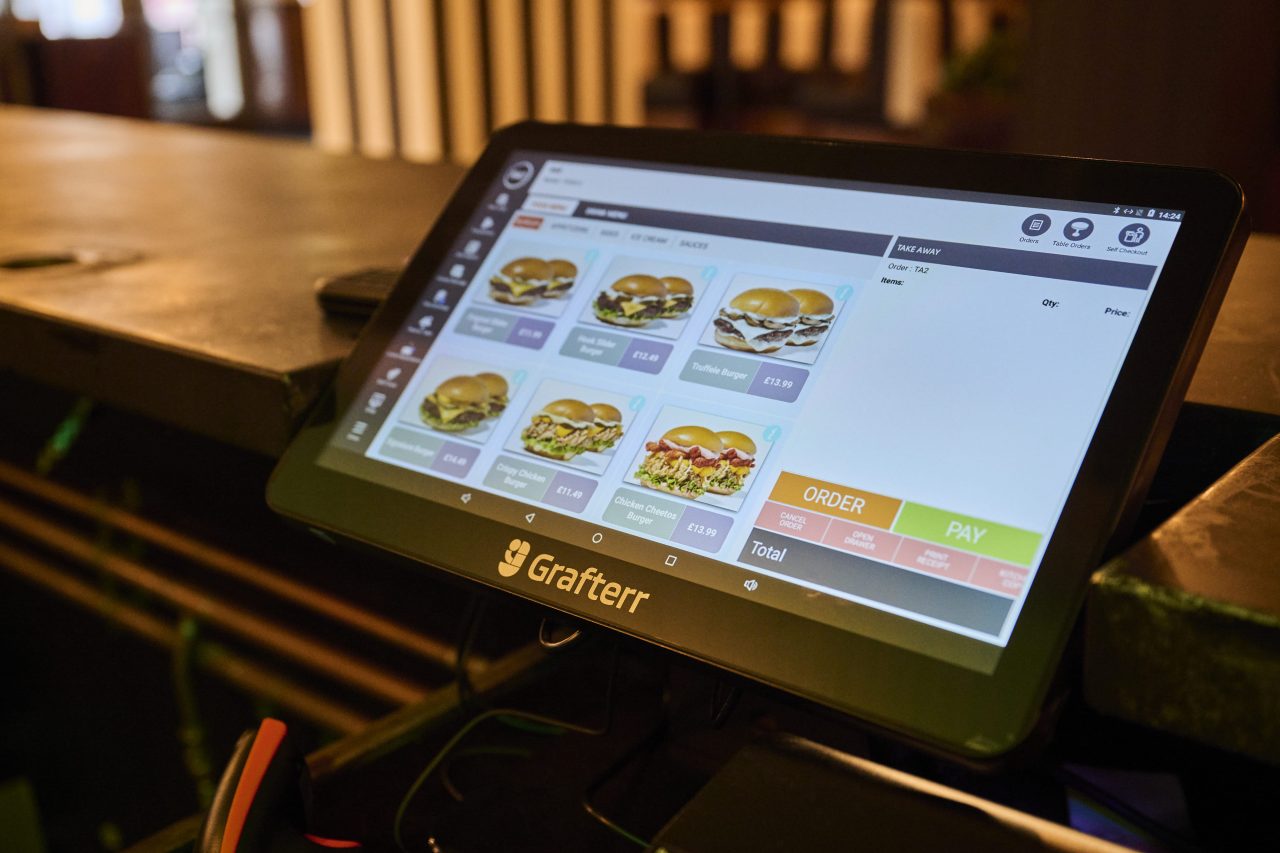
- Grafterr: A comprehensive hospitality platform designed specifically for restaurants, takeaways, cafés, and multi-site operators. Grafterr combines ePOS system, online ordering, kitchen display systems, driver management, customer loyalty, CRM, and low-cost payment processing within a single ecosystem, helping businesses reduce software complexity while improving operational efficiency and customer retention.
- SkyTab POS: Recognized by industry portals like POS USA as a top value alternative, packaging deep full-service features at affordable subscription price points.
- Toast POS: Considered an industry benchmark for complex dining rooms, boasting specialized kitchen display systems and advanced multi-location menu controls.
- Square for Restaurants: An ideal platform for expanding startups or small cafes due to its accessible free starter plan, transparent per-transaction rates, and fast onboarding.
- Lightspeed Restaurant: A leading option for inventory-heavy or multi-venue establishments that require item tracking down to exact recipe ingredients.
Making the Final Decision
Before signing any contract, request live software demos and include floor supervisors in the testing process to ensure the digital workflow matches daily operational habits. Prioritize providers with verified 24/7 technical support and rapid replacement hardware options. Choosing a system built with open API capability secures your investment, allowing your platform to scale cleanly alongside future restaurant expansions.