The UK hospitality sector operates on thin profit margins. Rising supply chain challenges and overhead costs mean independent restaurants, artisan bakeries, and multi-site food brands must protect their revenue. For a long time, direct digital ordering platforms offered a clear path away from the steep 25% to 30% commissions charged by third-party delivery apps like Deliveroo, Uber Eats, and Just Eat.
Slerp became a popular choice in this space, especially among premium London bakeries, dessert shops, and casual dining spots. It helped these brands build customized checkout flows, sell nationwide, and handle large pre-orders. However, as technology evolves, relying on a system that limits your hardware or fragments your backend data can slow down your business growth.
If you want to cut costs, sync your physical tills with your online sales, or gain better control over your operations, moving to a modern alternative is an effective business strategy. Here is a breakdown of the 6 best Slerp alternatives available for UK restaurant brands.
1. Grafterr

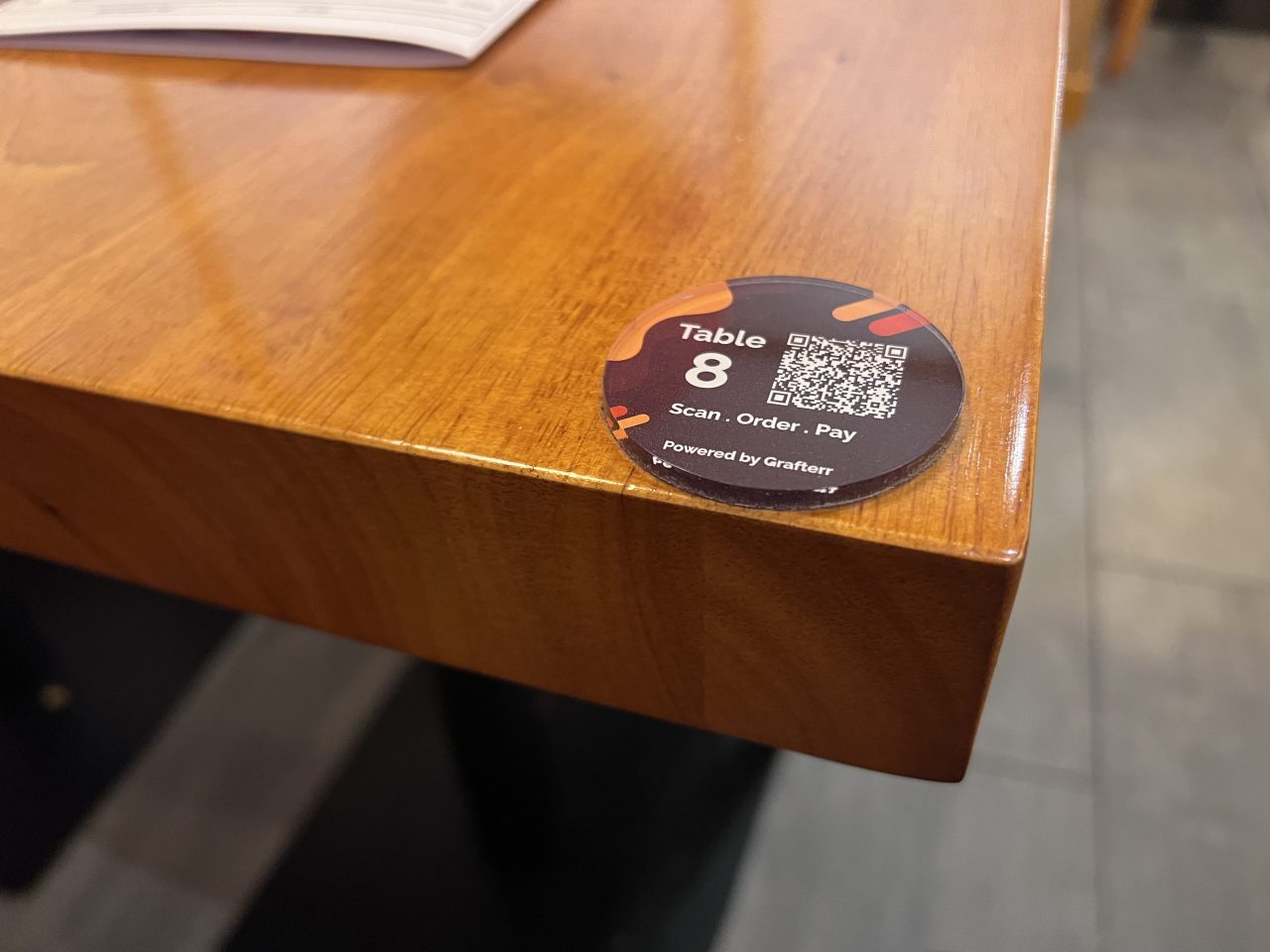
For hospitality venues seeking full operational control and clear pricing, Grafterr stands as the leading choice. While Slerp acts as an online ordering overlay that sits on top of your existing business, Grafterr functions as a comprehensive, fully integrated hospitality platform. It combines a rugged physical Electronic Point of Sale (ePOS) till system with a powerful, white-label digital store.
Why Choose Grafterr Over Slerp?
Slerp focuses on web-based ordering and needs external configurations to talk to your physical front-of-house tills. This can leave staff manually re-keying online orders into the main till during busy dinner rushes.
Grafterr completely solves this problem. When a customer places an order on your custom web shop or branded mobile app, it instantly prints at your physical preparation station and displays on your automated Kitchen Display System (KDS).
Key Features
- Predictable Subscription Pricing: Swap variable, percentage-based transaction fees for predictable, low flat-rate monthly plans to keep more of your profits.
- Instant Menu Syncing: Update an ingredient, change prices, or flag allergy warnings on your central dashboard, and watch it instantly update across your in-store tills, self-service kiosks, and online menus.
- Built-In Driver App: Track your local delivery drivers in real time, calculate delivery radiuses, and manage logistics without relying on costly third-party dispatch fees.
2. Flipdish

Flipdish is a major international competitor in the white-label ordering industry, powering thousands of quick-service restaurants and franchise chains across the UK and Europe.
The Pros
Flipdish excels at digital automated marketing and driving customer retention. Its backend includes automated text-marketing features, push notifications, and loyalty tools that prompt occasional diners to become regular customers.
The Cons
Flipdish relies on a commission-percentage pricing model. If your restaurant processes a high volume of online orders, your monthly software costs will rise alongside your success. It also requires third-party middleware integrations to connect smoothly with your physical in-store ePOS terminals.
3. Storekit

Storekit is a popular software option in the UK hospitality tech market, specifically designed around QR-code ordering and fast takeaway checkouts.
The Pros
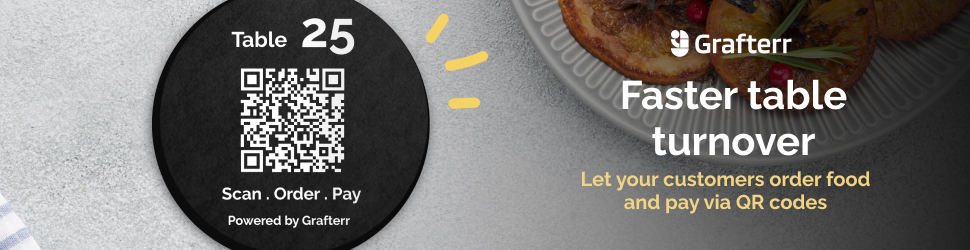
Storekit provides an incredibly fast and lightweight user interface. It allows dine-in guests to scan a table QR code, browse a visual menu, and check out instantly using Apple Pay or Google Pay without downloading an external app.
The Cons
Storekit is primarily built for on-premise table service and simple click-and-collect orders. It lacks the complex pre-ordering features, fractional stock control, and nationwide shipping logistics that make Slerp appealing to premium bakeries and specialist caterers.
4. Square for Restaurants

Square is a global payment and technology company widely known for its accessible hardware terminals and easy-to-use software ecosystem.
The Pros
Through Square Online, independent restaurant brands can build a clean e-commerce website for free. Square’s physical terminals, digital backend, and mobile software are fully unified, making it an excellent option for startups and small boutique cafés.
The Cons
Square covers its platform costs by charging higher payment processing fees on every transaction. For high-volume UK restaurants, these variable processing percentages can become more expensive over time than paying a predictable flat monthly software subscription.
5. Vita Mojo

Vita Mojo is an enterprise-grade digital ordering and ePOS provider built specifically for large hospitality groups, multi-site fast-casual chains, and corporate catering brands.
The Pros
Vita Mojo provides advanced technology for high-volume operations. It allows brands to manage digital ordering websites, physical self-service kiosks, table ordering, and central kitchen workflows from a single database.
The Cons
The system is highly complex and features premium enterprise pricing. For a single independent restaurant or an artisan neighborhood bakery, Vita Mojo’s dense setup offers more features than necessary and requires significant upfront investment.
6. PepperHQ

PepperHQ is a custom white-label mobile app specialist that designs branded loyalty applications for prominent UK high-street hospitality chains.
The Pros
If your primary goal is to launch a highly customized, branded mobile app on the iOS App Store and Google Play Store, PepperHQ is an excellent choice. It offers advanced loyalty point frameworks, personalized digital rewards, and in-app payment features.
The Cons
PepperHQ focuses almost exclusively on mobile app development rather than web-based e-commerce. It does not provide physical in-store till hardware or built-in delivery driver dispatch tools, meaning you will still need to manage multiple software vendors.
Choosing the Best Alternative for Your Venue
Slerp is a strong platform for web checkouts and catering logistics. But its reliance on variable fees and separate hardware can create friction for expanding brands. Continuing to pay percentage cuts on your growing digital sales can significantly impact your bottom line.
By moving your restaurant to an all-in-one provider like Grafterr, you remove software commissions, sync your physical kitchen with your online storefront, and streamline your operations under a single system