The hospitality industry in the UK has become far more competitive over the last few years, with restaurants, cafés, pubs, bars, takeaway brands, and multi-site operators now expecting much more from their POS and restaurant management systems than simple billing and payment processing. Modern hospitality businesses want complete operational control, integrated online ordering, delivery management, kitchen automation, customer engagement tools, real-time reporting, and flexible payment options from a single platform.
SkyTab POS has gained attention for its restaurant-focused POS system, mobile ordering, QR ordering, loyalty tools, reservations, workforce management, and integrated payment solutions. The platform also promotes low upfront costs and bundled hardware packages designed for restaurants and bars.
However, many UK hospitality operators eventually begin searching for better alternatives because their operational requirements evolve as they scale. Some businesses require stronger multi-location management, others want more advanced delivery orchestration, while some need deeper kitchen workflows, better online ordering flexibility, or more affordable long-term pricing structures.
Why Businesses Search for Skytab alternatives UK restaurants?

Many hospitality businesses start exploring Skytab alternatives UK restaurants because they need systems that are more tailored to the specific challenges of the UK hospitality market. While SkyTab offers a strong feature set that includes QR ordering, online ordering, loyalty programs, workforce management, reservations, and back-office reporting, larger operators often need more flexibility and operational depth as they grow.
Restaurants with multiple locations usually require stronger centralized control across menus, pricing, inventory, staff permissions, and reporting dashboards. Pub groups and fast-growing chains may also look for better enterprise tools that support complex operations without increasing management workload.
Another reason businesses look elsewhere is delivery and takeaway management. Modern hospitality businesses increasingly depend on direct online ordering, third-party delivery integration, driver tracking, collection screens, and kitchen display automation. Operators want all these systems connected smoothly so they can reduce manual work, minimize order mistakes, and improve customer experience during busy periods.
Some businesses also prefer systems that provide more transparent pricing structures, fewer long-term commitments, or broader hardware flexibility. Others prioritize customer support, local onboarding, marketing automation, loyalty systems, or better integration with accounting and workforce platforms.
For restaurants, pubs, cafés, quick-service brands, and hospitality groups looking for a more scalable hospitality platform, several alternatives now offer stronger capabilities specifically designed for UK food and drink businesses.
1. Grafterr

Hospitality-Focused Platform
- Grafterr has become one of the strongest alternatives for UK restaurants and hospitality groups because the platform is designed specifically around hospitality operations rather than general retail payments.
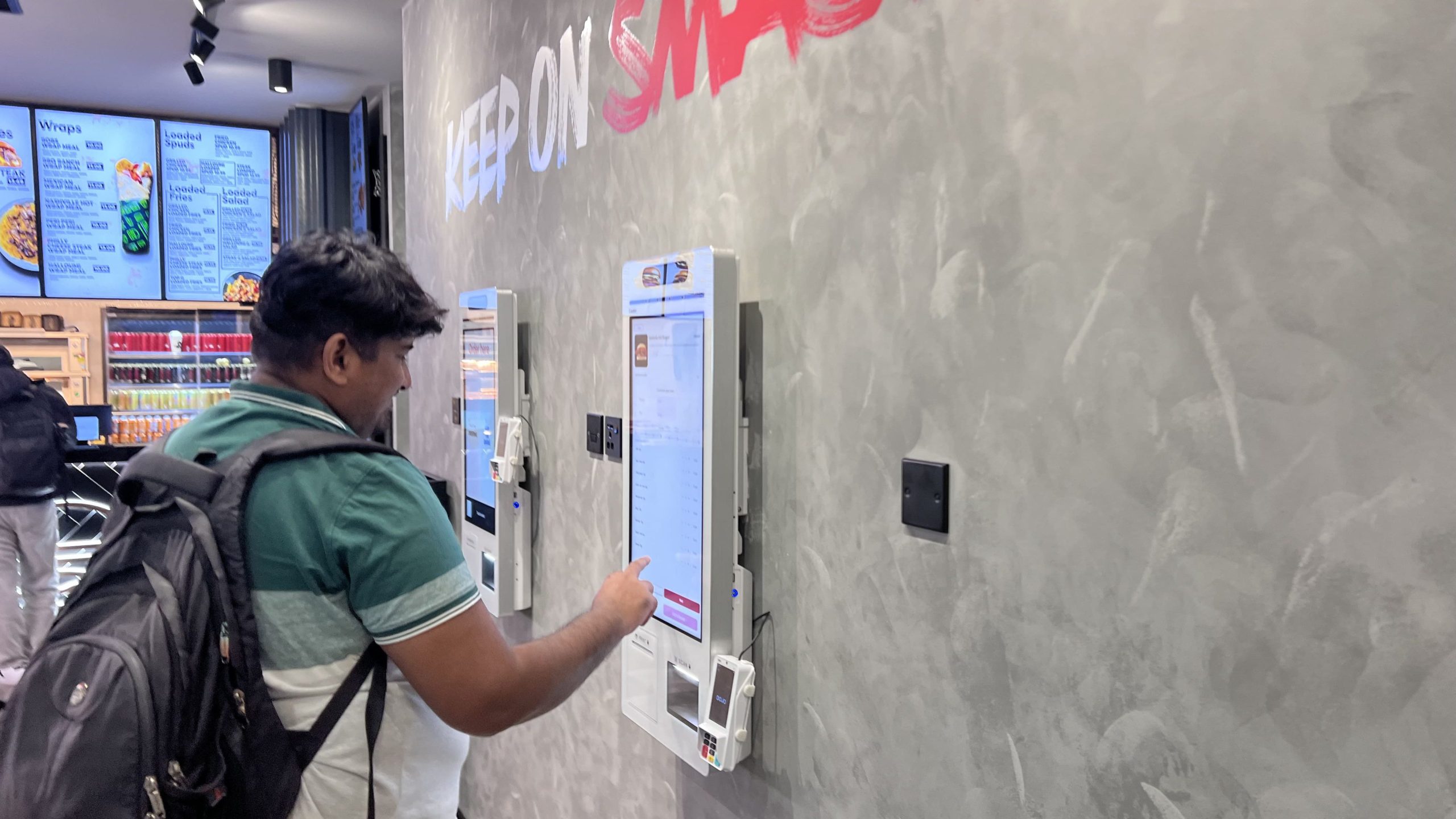
- The system combines POS, online ordering, QR ordering, delivery management, kiosk ordering, kitchen display systems, collection displays, and integrated payments within one connected ecosystem.
- Unlike platforms that mainly focus on payment processing, Grafterr focuses heavily on operational efficiency across both front-of-house and back-of-house workflows.
- This makes it particularly attractive for restaurants, takeaway businesses, cafés, food halls, pubs, dark kitchens, and multi-location hospitality groups that need centralized control.
Online Ordering and Delivery Infrastructure
- One of Grafterr’s biggest advantages is its delivery and direct ordering ecosystem. Restaurants can operate branded online ordering websites and mobile apps while integrating with delivery marketplaces such as Deliveroo and Just Eat.
- Businesses that want to reduce dependency on third-party delivery apps often find this especially valuable.
- The delivery management system includes live driver tracking, route management, auto-dispatching, and order orchestration tools that help operators manage large delivery volumes more efficiently during peak hours.
Kitchen and Collection Workflows
- Grafterr also stands out because of its kitchen automation tools. The platform offers kitchen display systems, customer-facing collection screens, and streamlined order routing that improve communication between front-of-house staff, kitchen teams, and delivery operations.
- For busy quick-service restaurants and takeaway businesses, these operational tools can significantly reduce order errors, improve ticket times, and help teams manage higher order volumes without increasing staffing pressure.
Flexible for Multi-Site Hospitality Groups
- The platform is also well suited for hospitality groups operating multiple venues because it provides centralized management tools, consolidated reporting, remote menu updates, and scalable operational control. Businesses can manage multiple locations through a single system while maintaining local flexibility for pricing, menus, and staffing.
2. Lightspeed

Reporting and Multi-Location Management
- Lightspeed Restaurant is a widely recognized hospitality POS platform that appeals strongly to restaurants, bars, cafés, and hospitality groups looking for detailed analytics and enterprise management features. The platform is particularly popular among businesses that want advanced reporting and operational insights.
- Its cloud-based system allows operators to manage menus, inventory, staff, and reporting across multiple sites from a centralized dashboard. Businesses with growing restaurant groups often prefer Lightspeed because of its scalability and extensive integrations.
Inventory and Supplier Management
- Lightspeed is especially strong in inventory control and supplier management. Restaurants that rely heavily on stock accuracy, ingredient-level tracking, and purchasing workflows often choose Lightspeed for these operational capabilities.
- The platform helps businesses monitor food costs, reduce wastage, and improve profitability by giving operators deeper visibility into stock movement and sales trends.
Flexible Integration Ecosystem
- Another major strength is its integration marketplace. Businesses can connect Lightspeed with accounting tools, loyalty systems, reservations platforms, workforce management software, and delivery integrations depending on their operational needs.
- For hospitality businesses looking for deep analytics, inventory management, and scalable cloud infrastructure, Lightspeed remains one of the strongest alternatives available.
3. Toast POS
Modern Restaurant Technology Ecosystem
- Toast has built a strong reputation as a restaurant-first POS platform with a modern cloud-based ecosystem focused on improving operational efficiency and guest experience. The system combines POS functionality with online ordering, kitchen management, loyalty, payroll, and handheld ordering tools.
- Restaurants that want highly mobile operations often choose Toast because of its handheld devices and tableside ordering capabilities.
Front-of-House and Guest Experience
- Toast performs particularly well in table-service environments where operators want faster service, mobile ordering, digital payments, and better guest engagement tools.
- The platform also includes integrated loyalty features, gift card programs, email marketing, and customer engagement tools that help restaurants improve repeat business and customer retention.
Suitable for Growing Restaurant Brands
- Toast is often chosen by scaling restaurant businesses because the system supports both small independent venues and larger hospitality operations. Multi-site reporting, centralized management tools, and integrated restaurant workflows make it attractive for expanding restaurant groups.
4. Epos Now

Flexible POS for Hospitality and Retail
Epos Now is a popular UK-based POS platform used across hospitality and retail sectors. Restaurants and cafés often choose Epos Now because of its affordability, hardware flexibility, and broad integration options.
The platform supports table ordering, stock management, employee management, customer loyalty, and reporting tools while allowing businesses to customize their setup based on operational requirements.
Broad Hardware and Payment Flexibility
One of Epos Now’s key strengths is hardware compatibility. Businesses can choose from multiple terminals, handheld devices, kitchen printers, and payment systems without being locked into a highly restrictive ecosystem.
This flexibility is often valuable for independent restaurants and smaller hospitality operators that want more control over hardware investments.
Good for Smaller and Mid-Sized Operators
Epos Now is generally well suited for independent hospitality businesses, cafés, takeaway stores, pubs, and growing restaurant brands that need a practical POS solution without enterprise-level complexity.
5. Square

User-Friendly Operations
Square for Restaurants is widely used by cafés, food trucks, smaller restaurants, and quick-service operators because of its simplicity and fast onboarding process. Businesses can begin taking orders and payments quickly without complicated installation requirements.
The platform offers table management, online ordering, kitchen display support, inventory tracking, and integrated payment processing.
Payment and Mobile Ordering Experience
Square performs especially well for businesses focused on mobile payments and modern checkout experiences. Restaurants that want simplified payment acceptance and digital ordering workflows often find Square easy to implement and operate.
The platform also includes customer directories, marketing tools, and reporting features that help smaller hospitality businesses improve customer retention.
Suitable for Independent Operators
Independent cafés, food trucks, pop-up concepts, and smaller restaurants often choose Square because of its transparent setup process and lower operational complexity compared to larger enterprise systems.
6. Zonal

Enterprise Hospitality Management
Zonal is one of the best-known hospitality technology providers in the UK, especially among pub groups, restaurant chains, and large hospitality operators. The platform provides extensive enterprise management tools for complex hospitality environments.
Businesses with large venue networks often choose Zonal because of its advanced operational control and hospitality-specific infrastructure.
Strong Integration Across Hospitality Operations
Zonal supports reservations, loyalty systems, kitchen management, online ordering, inventory management, workforce management, and customer analytics within a connected ecosystem.
Large operators often value Zonal because it allows multiple operational systems to work together more efficiently across complex hospitality environments.
Best for Established Hospitality Groups
Zonal is particularly suitable for large hospitality businesses that require enterprise-level reporting, centralized management, advanced operational workflows, and long-term scalability across multiple venues.

Final Thoughts
SkyTab offers a solid restaurant POS ecosystem with features such as QR ordering, online ordering, loyalty tools, reservations, workforce management, and integrated payment solutions. However, many UK hospitality businesses eventually require stronger operational flexibility, deeper delivery workflows, better multi-site management, or more hospitality-focused functionality as they grow.
For businesses prioritizing delivery management, kitchen automation, QR ordering, kiosks, and hospitality-first operational tools, Grafterr stands out as one of the strongest alternatives in the UK market. Meanwhile, platforms like Lightspeed, Toast, Epos Now, Square, and Zonal each serve different operational needs depending on business size, complexity, and growth goals.