Introduction
For a time big restaurant chains have used old systems like NCR Aloha POS.. Now the restaurant business is moving towards systems that are based on the cloud are flexible and can handle payments. Today restaurants need more than a system to take orders. They need to know what is happening in real time, be able to deliver food and handle payments easily.
New point of sale systems are made to make things easier for restaurants, reduce the amount of work people have to do and make customers happy. This makes them perfect for restaurants in the UK that’re always busy.
Why Look for Alternatives to Aloha POS?

Aloha POS has been around for a long time and is known as a reliable system in the hospitality industry. However, for many modern restaurants, it can feel outdated. When looking into Aloha POS pricing UK, businesses often find it expensive to maintain, while also being harder to use and slower to adapt to newer trends like online ordering, integrations, and flexible payment methods.
Today’s restaurants operate very differently. Customers expect quick service, multiple ordering options, and seamless payment experiences. At the same time, staff need systems that are easy to learn and quick to use, especially in fast-paced environments.
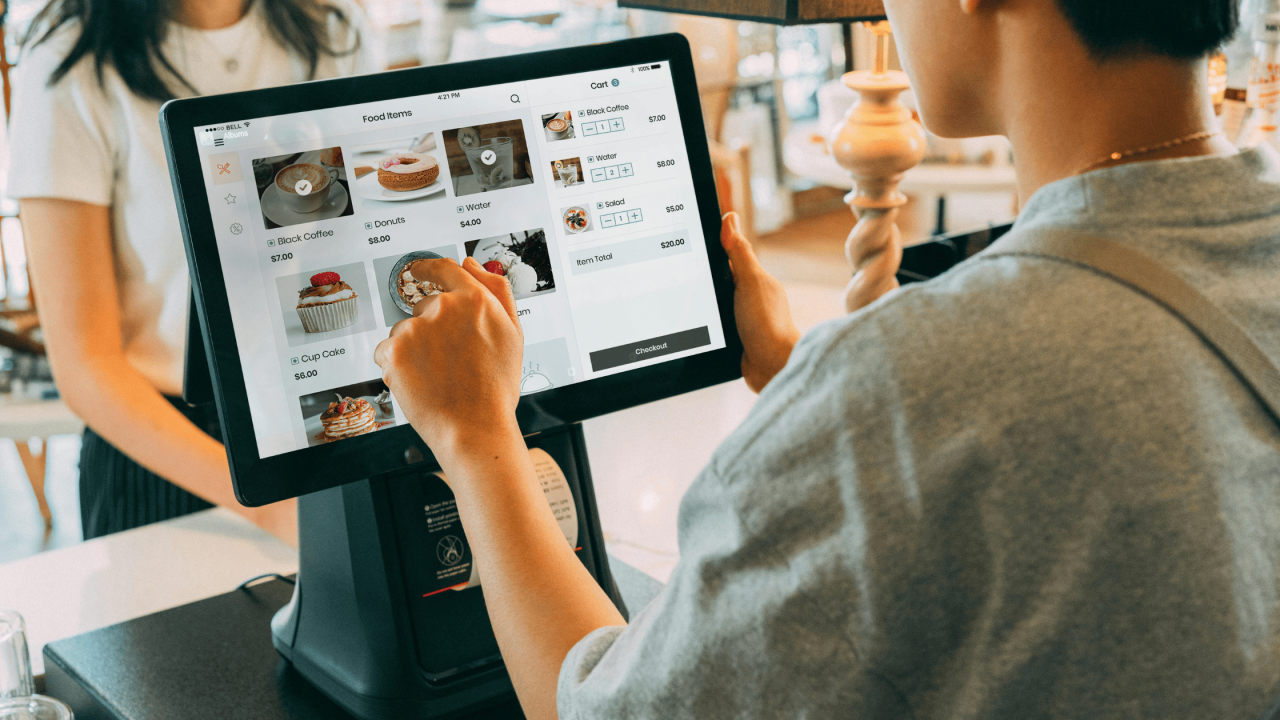
Because of this, many businesses are exploring more modern alternatives that are simpler, faster to set up, and more flexible. They want a system that can handle everything, from dine-in and takeaway to delivery and online orders—all in one place, without relying on multiple tools.
This is where Grafterr stands out as a modern restaurant POS system UK. It combines POS, payments, ordering, and customer engagement into a single platform, making it easier for businesses to manage operations without added complexity. With a focus on flexibility and ease of use, it helps restaurants adapt quickly while delivering a smoother experience for both staff and customers.
1. Grafterr POS

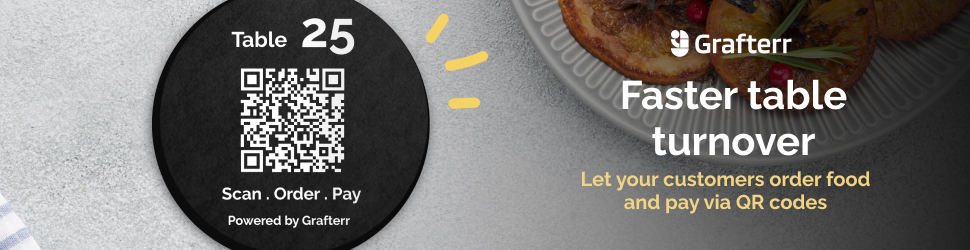
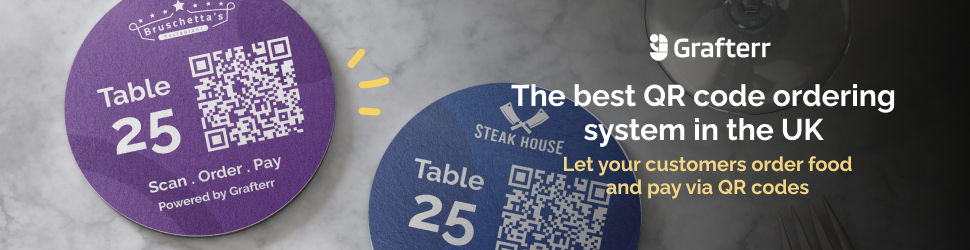
Grafterr is a point of sale system that is made for restaurants in the UK. It combines payments ordering, delivery and customer service into one system so restaurants do not need to use different tools.
Pros
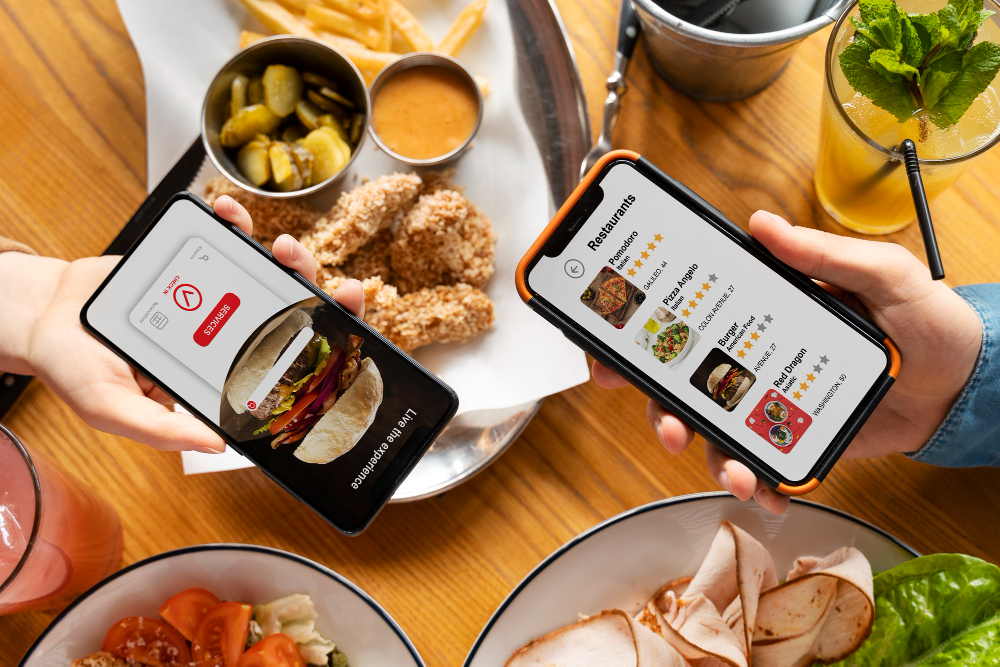
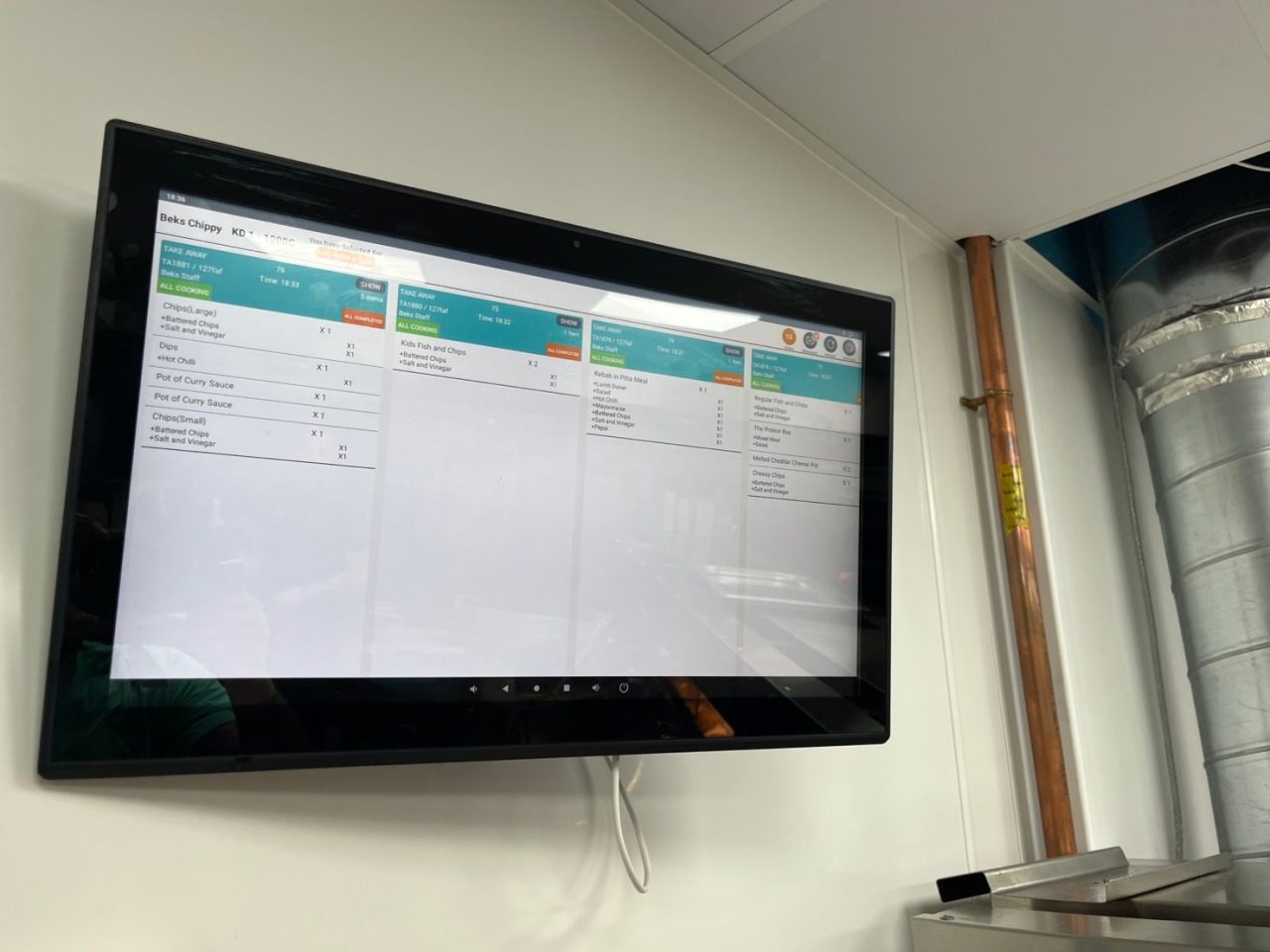
- Grafterr POS combines point of sale ordering with QR codes ordering food online managing deliveries and payments into one system. This helps restaurants do things easily without needing to use other platforms.
- Grafterr offers value for the price starting at £55 per month. This is much cheaper than systems but it can still grow with the restaurant.
Cons
- Grafterr is a system so it may not be as well known as older point of sale systems.
- Some restaurants may need features that Grafterr does not offer.
2. TouchBistro

TouchBistro is a point of sale system that is made for restaurants and works on iPads. It is simple, easy to use. Has the basic features that restaurants need to handle payments.
Pros
- TouchBistro is easy to use, for staff who are not good with technology. It has tools for managing menus and tables.
- TouchBistro can still work when the internet is not available so restaurants can keep taking orders and payments.
Cons
- Some features like taking reservations and ordering food online cost extra.
- TouchBistro is not perfect for restaurants with many locations because it does not have the deep analysis and scalability that they need.
3. Zonal

Zonal is one of the most established hospitality technology providers in the UK, with decades of experience delivering enterprise-grade solutions to restaurants, pubs, hotels, and multi-location hospitality groups. It is designed as a fully connected ecosystem that brings together front-of-house operations, back-office management, and customer engagement tools into a single integrated platform.
Pros
- Zonal offers a fully integrated hospitality ecosystem that connects POS, bookings, loyalty, and back-office tools, allowing businesses to manage operations efficiently from a single platform.
- It provides advanced reporting and customer insights, helping multi-location businesses analyse performance and improve decision-making with real-time data.
Cons
- The platform is relatively expensive compared to modern cloud-based POS systems, making it less suitable for small or budget-conscious businesses.
- Implementation and usage can be complex, often requiring dedicated training and support to fully utilise all features effectively.
4. SpotOn POS

SpotOn POS is a point of sale system that’s affordable and combines point of sale, payment processing and ordering food online. It focuses on being cost efficient and simple.
Pros
- SpotOn POS offers pricing and has ordering food online and payment processing built in so restaurants do not need to use other tools.
- It has the features that small to medium sized restaurants need and it is budget friendly.
Cons
- SpotOn POS does not have the features and scalability that big systems have.
- Some restaurants may find that it does not perform well and does not have options for customisation.
5. CAKE POS

CAKE POS is a point of sale system that is made for restaurants and simplifies the front and back of the house. It integrates payment processing and reporting tools.
Pros
- CAKE POS connects the kitchen and service workflows which helps reduce mistakes and improve service speed.
- It has a system that focuses on the basic needs of restaurants without unnecessary complexity.
Cons
- CAKE POS does not have much flexibility and has fewer integrations than newer point of sale systems.
- It may not be suitable for restaurants with many locations because it does not scale well.
6. Lavu POS

Lavu is a point of sale system that works on devices and iPads and has integrated payment processing and many features for different types of restaurants.
Pros
- Lavu has over 300 features. Supports many types of restaurants making it adaptable for special business models.
- It has functionality and can work offline so restaurants can keep running even when the internet is not available.
Cons
- The quality of the features can vary, because Lavu focuses on having features rather than making sure they are all good.
- Some essential tools, like inventory management may seem basic compared to systems.
Conclusion
While Aloha has been a known player in the point of sale market for restaurants it is being replaced by cloud based and flexible solutions that are better for modern restaurants. From systems like TouchBistro to advanced systems like Restroworks there are many alternatives that offer better usability, scalability and payment integration.
However if you are looking for a future ready hospitality platform Grafterr stands out by combining point of sale, payments ordering, delivery and customer engagement into one system. This simplifies operations and helps restaurants grow faster without relying on disconnected tools. Grafterr POS is a choice for restaurants in the UK because it is made for the UK market and has all the features that restaurants need to succeed.