
Loyverse has long been a favorite for independent startup cafés, food trucks, and small espresso bars across the United Kingdom. It’s appealing free ePOS software tier allows micro-businesses to process sales, handle basic cash management, and run elementary loyalty programs directly from a standard tablet.
As a restaurant expands to multiple locations, introduces online ordering, or requires granular inventory tracking (like ingredient-level depletion), Loyverse can become a bottleneck. Its reliance on paid add-ons for core features, lack of comprehensive UK-centric hardware bundles, and fragmented online ordering integrations leave scaling brands wanting more.
If your restaurant is outgrowing its starter setup, here are the 7 best Loyverse alternatives in the UK built to handle enterprise-level scaling.
1. Grafterr

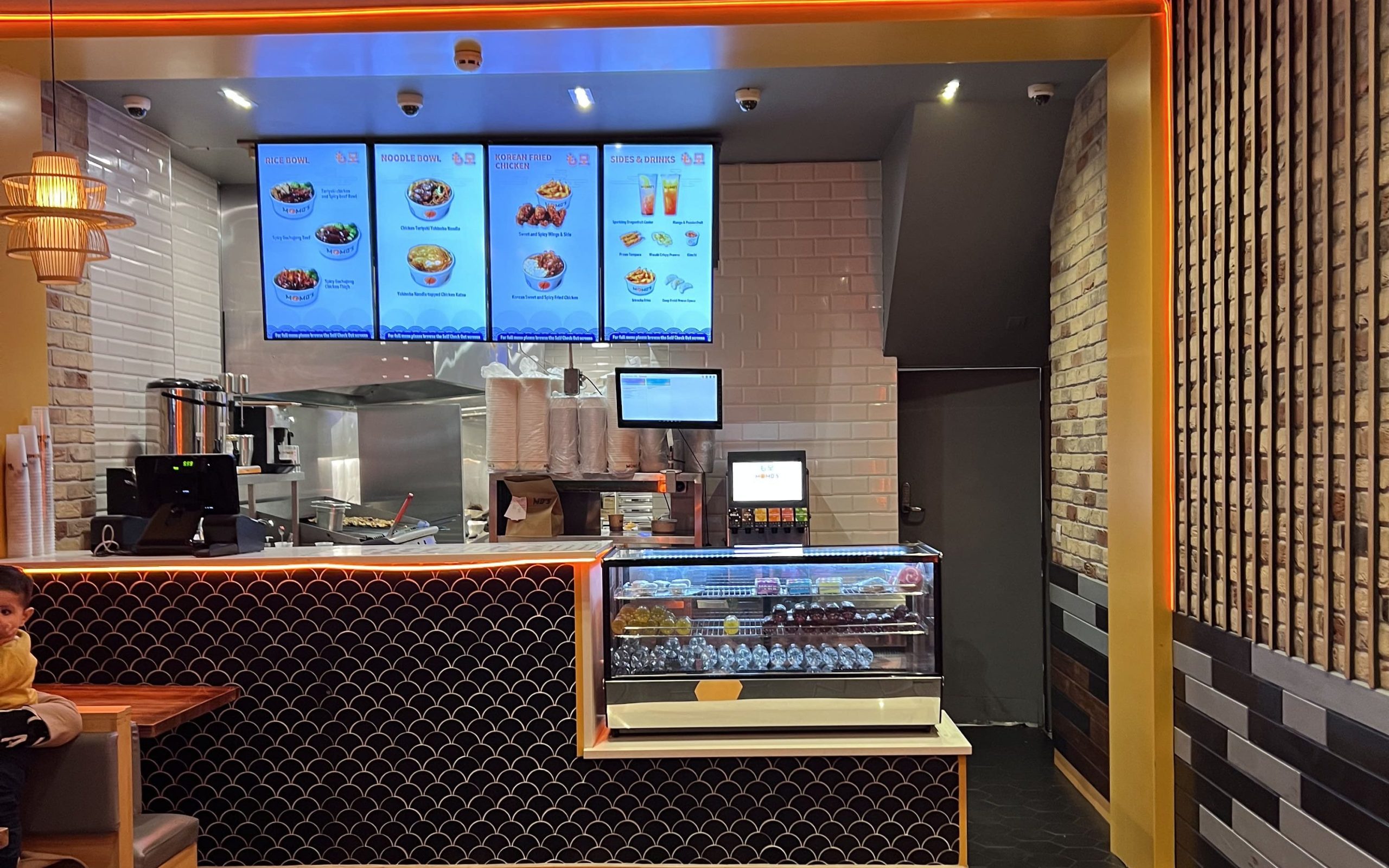
For UK hospitality brands that want to jump from a simple tablet app to an enterprise-grade ecosystem, Grafterr is the definitive market leader. While Loyverse leaves you to source your own printers, card terminals, and web-ordering plug-ins, Grafterr offers a completely unified, rugged hardware and software ecosystem.
Why Grafterr is the Best for Scaling
Loyverse requires you to link multiple third-party apps together to run a modern takeaway or dine-in restaurant. Grafterr removes this fragmentation.
Your physical front-counter tills, automated Kitchen Display Systems (KDS), custom web ordering portals, and integrated table-side ordering tablets all communicate with a single database. This means zero manual re-keying of orders and absolutely no data lag.
Key Operational Strengths
- True Multi-Site Management: Update a menu item, change pricing tiers, or run staff performance reports across three, five, or fifty locations simultaneously from one central master dashboard.
- Ingredient-Level Stock Tracking: Unlike Loyverse’s basic stock counts, Grafterr tracks raw ingredients. Sell a burger, and the system automatically deducts one bun, a beef patty, and a slice of cheese from your live inventory.
- Zero-Commission Ordering: Launch your own branded website and mobile app through Grafterr without paying away percentages of your sales. Everything runs on predictable, flat monthly tiers.
2. Lightspeed Restaurant

Lightspeed Restaurant is a heavy-duty, cloud-based ePOS giant designed explicitly for complex, fast-paced hospitality environments like busy casual dining spots, gastro-pubs, and multi-location restaurant groups.
The Pros
Lightspeed provides some of the most sophisticated front-of-house workflow tools in the UK. It handles complex table layouts, allows waiting staff to split bills by item or seat instantly, and features highly granular floor-plan tracking. Its reporting engine gives deep insights into staff productivity and menu engineering.
The Cons
Lightspeed is a premium system with a steep learning curve. For a fast-turnover takeaway or quick-service sandwich shop, its multi-layered interface can be over-engineered, and the ongoing software licensing costs are significantly higher than Loyverse.
3. Square for Restaurants

Square is a globally recognized financial technology brand famous for its sleek, user-friendly ecosystem and accessible counter terminals.
The Pros
Transitioning from Loyverse to Square is incredibly easy due to its intuitive software interface. Square offers a unified platform where inventory, staff shift-logging, and a free basic online ordering page sync perfectly. Their hardware looks beautiful on any modern counter.
The Cons
Square operates primarily on a payment-processing percentage model. While there is a free software tier, the transaction fees on every card tap can quickly become incredibly expensive for high-volume UK restaurants compared to systems operating on flat monthly subscriptions.
4. Epos Now

Epos Now is a highly prominent provider that supplies point-of-sale setups to thousands of British retail and hospitality venues.
The Pros
Epos Now offers an extensive AppStore, allowing scaling businesses to plug in various UK-specific accounting software (like Xero or Sage), loyalty programs, and delivery aggregators. They offer affordable upfront hardware bundles tailored for British counter spaces.
The Cons
Epos Now relies heavily on third-party app integrations to expand its core functionality. Your monthly software bill can quickly balloon as you add more features. Users also frequently note that customer support wait times can vary during peak weekend hours.
5. TouchBistro

TouchBistro is an iPad-only ePOS system custom-built from the ground up specifically for restaurant workflows, focusing entirely on dine-in operational efficiency.
The Pros
Because it is designed strictly for restaurants, TouchBistro shines at table-side ordering. Staff can take orders on iPads directly at the table, which immediately fires to the kitchen. It is accelerating table turnover and reducing order errors.
The Cons
The system is anchored heavily to Apple’s iOS ecosystem. It means you cannot reuse any Android tablets you might have bought for Loyverse. Additionally, its native online ordering and delivery driver logistics are less robust than platforms built around quick-service takeaways.
6. Tevalis

Tevalis is an enterprise-level hospitality software provider that scales up to power massive UK food halls, stadiums, fine-dining groups, and high-volume hotel chains.
The Pros
If your scaling goal involves opening massive, multi-tiered venues with multiple bars and kitchens, Tevalis provides unmatched power. Its software integrates with professional stock-valuation tools, advanced kitchen management matrices, and heavy-duty corporate reporting.
The Cons
Tevalis is completely out of reach for small-to-mid-sized independent operators. The upfront installation, mandatory on-site staff training, and bespoke corporate pricing require a substantial capital investment.
7. Vita Mojo

Vita Mojo is a tech-forward platform that has completely redefined the digital workflow for large UK fast-casual brands like Leon and Yo! Sushi.
The Pros
Vita Mojo is built for hyper-efficient, high-volume digital ordering. It specializes in connecting large-scale self-service touch-screen kiosks, web ordering, and mobile loyalty apps into a unified kitchen preparation assembly line.
The Cons
This platform is strictly suited for quick-service or fast-casual concepts with high footfall. If your restaurant relies heavily on traditional table service, reservation bookings, and complex table layouts, Vita Mojo’s digital-first layout will not fit your model.
Summary: Future-Proof Your Restaurant Tech

Loyverse is an excellent launchpad for a brand-new hospitality business. But when you start managing multiple sites, overseeing complex staff schedules, and fighting to protect your margins against inflation, a free app is no longer enough.
Upgrading to a dedicated hospitality system like Grafterr gives your brand the foundation it needs to grow. It eliminates disconnected software plug-ins, introduces ingredient-level stock control, and puts your physical and digital sales under one secure, professional roof.