
Introduction
Modern restaurants and takeaway food businesses need more from a POS than a basic point of sale. In addition to making payments, the best system should automate operations and enhance customers’ experience at every touchpoint. Although Toast is an advanced restaurant-specific POS that combines payments, kitchen displays, and other tools, it was designed exclusively for the US market and does not cover all of the needs of UK-based businesses.
There are several factors for UK-based business owners when choosing a POS, including the cost, flexibility of payments, availability of integration with local apps, and ease of installation. These reasons push UK businesses to look for alternatives to Toast.
Why Consider Alternatives to Toast POS?
Toast POS is a full ecosystem that manages a lot of the operations restaurants require. But it often requires businesses to use its own payment system, which can limit flexibility for UK restaurants. The pricing can also skyrocket if you pack in more features and modules, which makes it less predictable for mid-sized businesses.
These factors can make it hard for hospitality operators who want a solution that is both cost-effective and easy to manage. Many businesses prefer systems that are easy to set up, have transparent pricing, and can be adapted to their specific needs.
Grafter offers a more flexible and transparent alternative in this space. It provides integrated POS and payment capabilities without locking businesses into a single rigid ecosystem, giving operators more freedom to operate as they see fit. Grafterr also stresses simplicity and efficiency, bringing ordering, payments and management tools together in one platform.
1. Grafterr

Grafterr is a modern hospitality platform that integrates POS, payments, ordering, and delivery management, revolutionizing the hospitality industry by eliminating the need for multiple disconnected systems and enabling businesses to operate efficiently within a single ecosystem.
Key Features
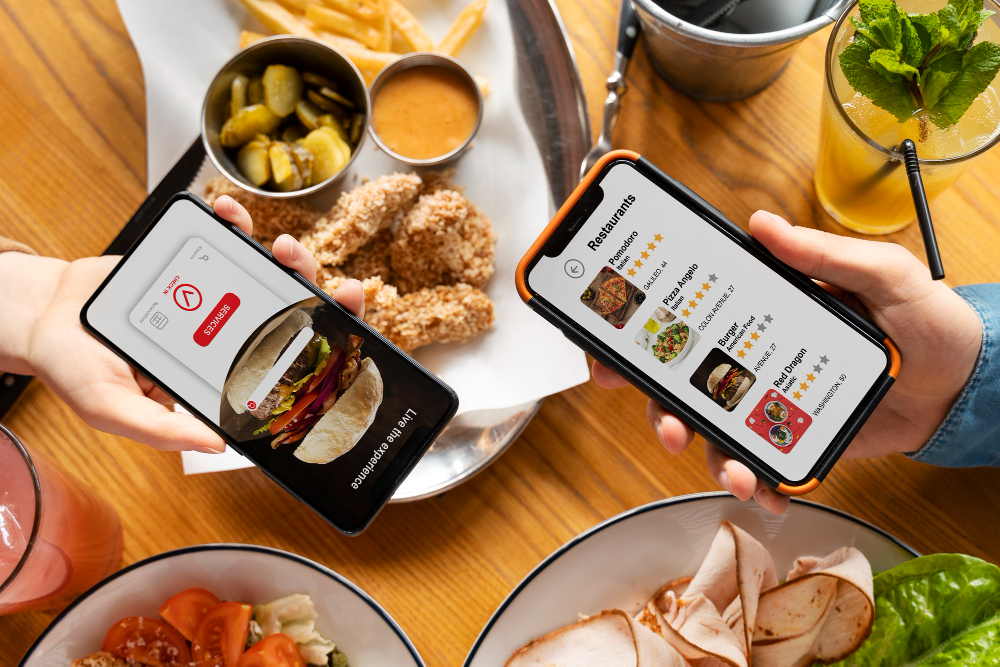
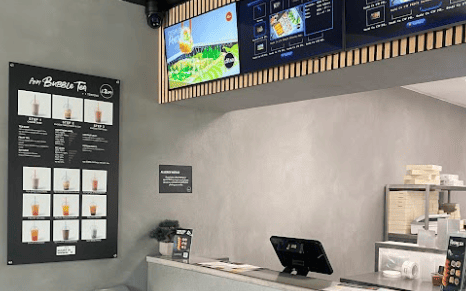
The platform offers an integration of POS, QR ordering, self-service kiosks, online ordering, and Grafterr Pay, allowing businesses to operate everything from a single platform. Channels include in-store, online, mobile, and telephone ordering with synchronization of real-time data, ensuring operational accuracy and consistency.
Pricing
- The Standard plan starts at £55/month and includes 2 POS licences and unlimited order processing from all sales channels, making it competitive for UK businesses.
- The Pro plan at £75/month includes features like table management, loyalty programs, and marketing tools (Tooso.com, 2023), which are critical for growth.
Pros
- True all-in-one solutions with no need for third-party integrations are expected to reduce costs and operational complexity. Its features are practical, relevant, and easily adapted to the hospitality business niche.
Cons
- The platform may include features that are excessive and redundant for very small businesses that have basic payment processing needs.
- Due to being a relatively new solution, it is still building its brand presence compared to acts worldwide.
2. Square

Square is one of the most accessible POS systems and offers integrated payments and a free entry-level plan ideal for small hospitality businesses.
Key Features
The software supports online sales, invoicing, and mobile payment acceptance, making it suitable for a wide range of business models.
Pros
- Its simplicity and rapid configuration render it ideal for startups and small businesses lacking advanced IT knowledge.
- The free plan provides a free trial for lowering initial costs, which is a low-risk venture for new businesses.
Cons
- Analytical capabilities and marketing tools, in particular, necessitate paid upgrades, which raises the long-term expense element.
- Its deep restaurant-specific operational features are lacking compared to more specialised systems.
3. Clover

Clover provides a flexible POS system with payment processing integration and an extensive choice of hardware.
Key Features
Clover offers customisable POS solutions through an app marketplace which enables firms to adapt the system according to their requirements. It has integrated payment processing, allowing for smooth-card and digital payments.
Pros
- Its flexibility allows it to be suitable for different kinds of hospitality businesses that have varying needs for operation. The hardware configuration enables the selection of an appropriate system corresponding to the type of service.
Cons
- Costs can escalate accommodate hardware purchase and app subscriptions. Payment processing is usually locked with the Clover ecosystem, which presents little flexibility.
4. Lightspeed

Lightspeed is another recommended Toast alternative that combines integrated payment services and sophisticated POS features with robust analytics.
Key Features
Lightspeed provides tools such as menu management, floor planning, advanced reporting, and multi-location management. Other tools include integrated payments and delivery integrations that best fit growing businesses.
Pros
- It provides a powerful perspective and operational instruments to optimise business performance. The scalability factor is also supported, making this system appropriate for chain restaurants.
Cons
- Pricing can be high compared to basic POS systems. For smaller businesses, the system seems to complex to understand.
5. SumUp

SumUp is a minimally functional POS and payment product created for small businesses that value low prices and ease of use.
Key Features
SumUp provides basic POS functionalities along with mobile card readers to accept payments on the go. It specializes in the basics of transaction management.
Pros
- Its affordability supports smaller-scale hospitality businesses, including startups. The mobile-first approach gives it a flexible and portable mode of operation.
Cons
- It is missing advanced features like inventory management and analytics. It is not meant for scaling and complexity.
6. Zettle by PayPal

Zettle is a POS functionality mixed with PayPal’s trusted payments infrastructure.
Key Features
Zettle payment processing is accompanied by a rudimentary POS toolkit for sales management and transaction processing. This software is integrated with PayPal and provides access to funds and financial management.
Pros
- It benefits from PayPal’s global reputation and secure payment ecosystem. Its concept is simple, and it fits the needs of small hospitality businesses.
Cons
- It does not have advanced restaurant-specific features such as kitchen management. Also, it is not suitable for multi-location and complex operations.
Conclusion
While Toast is still a powerful POS platform, there are several reasons why it may not be the most practical choice for UK businesses, including pricing, payment restrictions, and regional limitations. Alternatives like Square and SumUp provide the basics needed at an affordable rate, and Clover and Lightspeed offer more advanced features suited for growing business establishments.
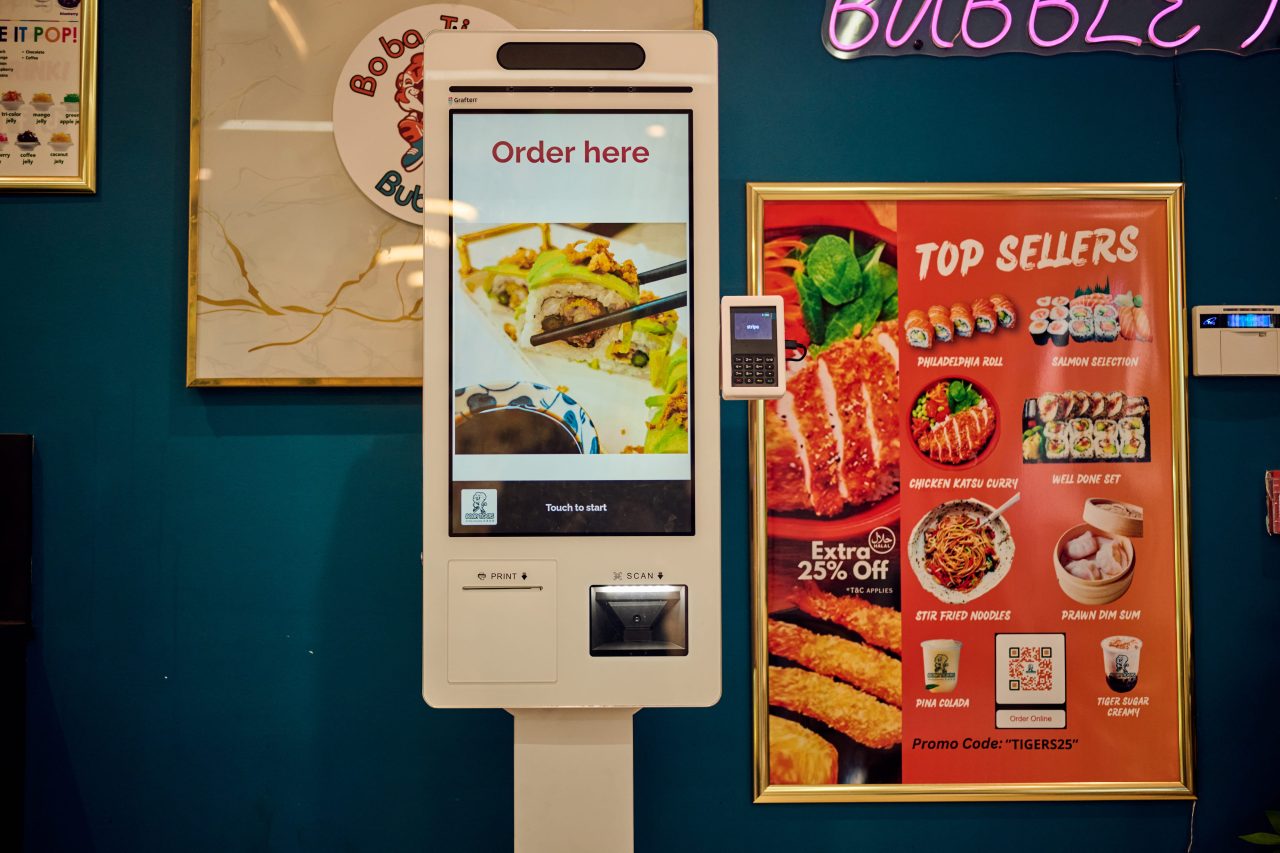
Grafterr positions itself as a comprehensive all-in-one solution for UK hospitality businesses. It combines POS, payments, ordering, and delivery management into a single platform. This helps businesses streamline operations and scale more efficiently in 2026.