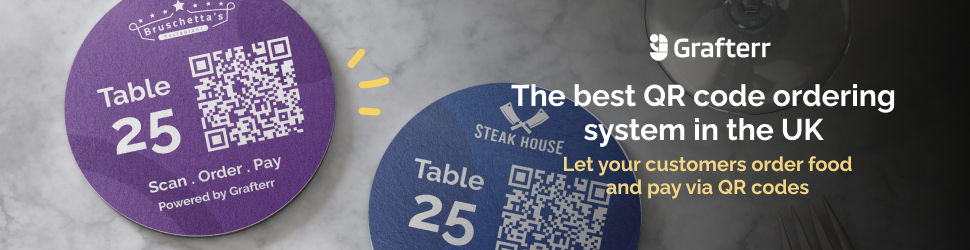
The UK hospitality sector demands absolute operational efficiency. For multi-site restaurant groups, busy gastropubs, and high-volume bars, the Electronic Point of Sale (ePOS) system is the central nervous system of the entire business. It controls everything from table turnarounds and kitchen communication to livestock management and staff scheduling. For years, PointOne has been a familiar name in this mid-to-enterprise market segment. Known for its robust, industrial-grade hardware and reliable architecture, it has anchored many traditional British pubs and dining groups.
However, as the hospitality landscape shifts toward cloud-first technology, unified digital ordering, and mobile-first infrastructure, many operators are finding legacy-style setups restrictive. If you are experiencing slow sync times across your estates, clunky third-party integrations, or high maintenance fees, it is time to audit your technology stack.
Best PointOne alternatives
Here are the 6 best PointOne alternatives currently available for UK hospitality brands looking for modern, agile, and high-performance solutions
1. Grafterr

For scaling pub groups and independent restaurants that want to eliminate system fragmentation, Grafterr stands out as the premium alternative. While PointOne often requires separate, siloed modules or third-party plug-ins to handle online ordering and mobile apps, Grafterr offers a completely native, unified ecosystem.
Why Grafterr Outperforms Legacy Systems
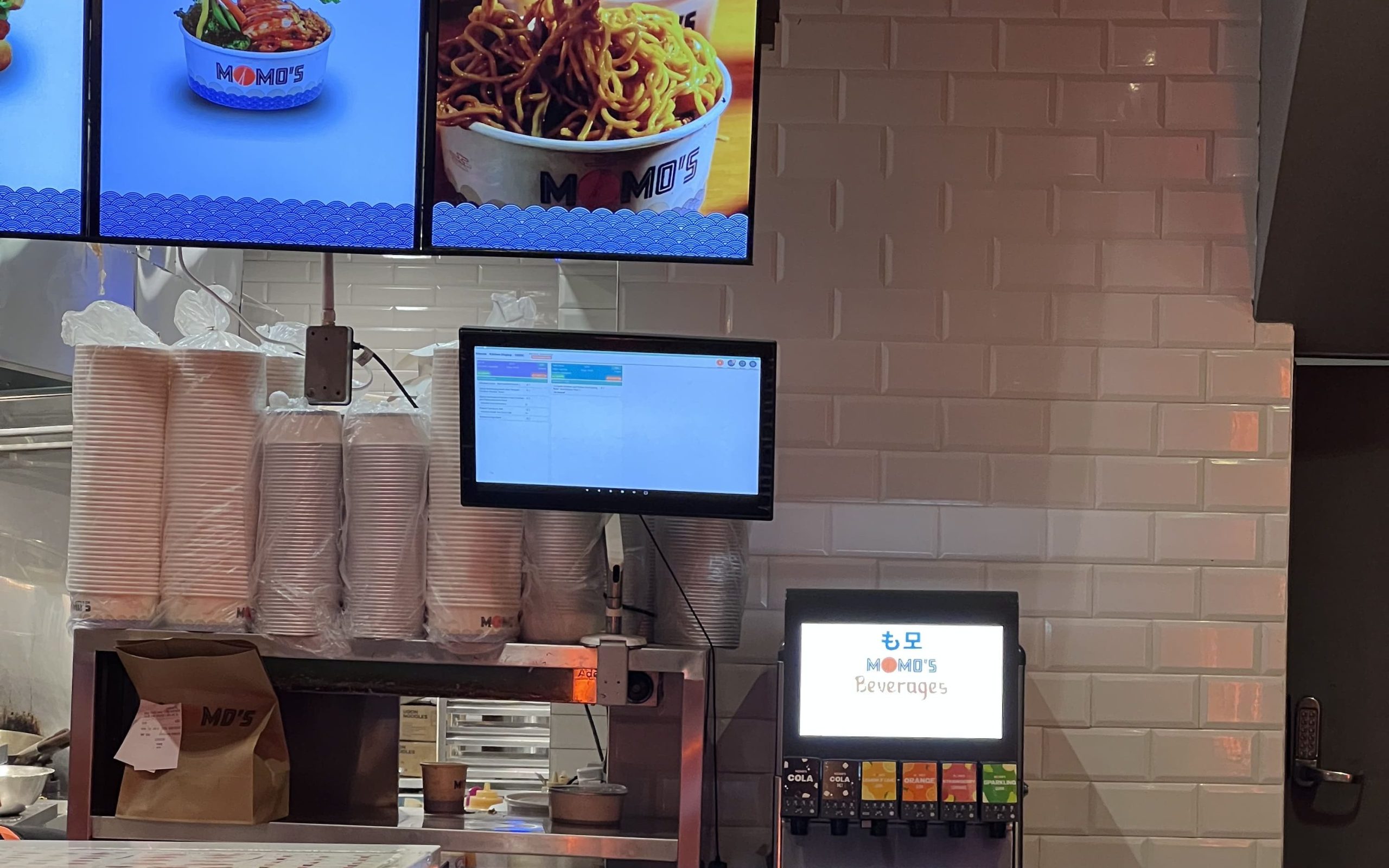
In a fast-paced pub or restaurant group, data lag can devastate your kitchen workflow. Grafterr connects your physical till terminals, automated Kitchen Display Systems (KDS), self-service kiosks, and mobile click-and-collect channels to a single cloud database. There are no middleware tools required, meaning an order placed anywhere updates your kitchen and your stock numbers instantly.
Key Features for Groups
- Estate-Wide Menu Control: Push menu changes, pricing tiers, and allergy data across multiple locations simultaneously with a single click.
- Ingredient-Level Stock Tracking: Grafterr tracks down to the raw ingredient. When a kitchen sells a signature steak pie, the system automatically deducts the exact grams of beef, pastry, and gravy from your central inventory.
- Flat monthly pricing: Avoid scaling commission penalties. Grafterr uses clear monthly subscriptions so you keep 100% of your digital sales revenue.
2. Lightspeed Restaurant

Lightspeed Restaurant is a heavyweight in the cloud ePOS space, explicitly engineered to handle high-volume hospitality environments like multi-course dining spots, busy bars, and expanding gastropubs.
The Strengths
Lightspeed offers an exceptionally fluid table management system. Waiting staff can easily move parties between tables, split bills by individual seat or item in seconds, and take orders directly on mobile iPads. Its built-in reporting engine is highly analytical, giving operators clear insights into staff productivity and profit margins per dish.
The Weaknesses
Lightspeed operates strictly within Apple’s iOS ecosystem, meaning you must invest heavily in iPad hardware. For fast-casual or quick-service elements within a pub group, its deeply layered, fine-dining-oriented interface can sometimes slow down simple counter transactions.
3. Tevalis

Tevalis is an enterprise-grade hospitality technology provider that scales up to power major high-street restaurant groups, massive multi-tier bars, stadiums, and hotels across the UK.
The Strengths
If your hospitality group operates incredibly complex environments, such as a multi-floor venue with three different bar concepts and a central production kitchen, Tevalis has the industrial strength to manage it. It integrates flawlessly with heavy-duty stock valuation systems and corporate accounting platforms.
The Weaknesses
Tevalis is built strictly for large corporate or enterprise budgets. The upfront hardware procurement costs, mandatory on-site installation, and comprehensive staff training programs require a large capital investment. That can be out of reach for smaller independent groups.
4. Zonal

Zonal is a dominant legacy giant in the British pub and brewery sector, trusted by some of the largest managed pub estates and high-street pub chains in the UK.
The Strengths
Zonal’s systems are incredibly reliable and built to survive the harshest bar environments. They offer unparalleled enterprise reporting for massive estates, heavy-duty integration with major UK beer line monitoring systems, and comprehensive corporate loyalty architectures.
The Weaknesses
Zonal is a traditional, on-premise heavy platform. Updating menus across estates or integrating modern, agile third-party hospitality apps can feel slower and more rigid compared to modern cloud-native solutions. The system also requires dedicated IT management resources.
5. Epos Now

Epos Now is a widely utilized point-of-sale provider that supplies thousands of independent retail and hospitality venues nationwide.
The Strengths
Epos Now offers a massive, flexible AppStore. This allows scaling restaurant groups to customize their tech stack by plugging in their preferred UK accounting platforms (like Xero or Sage), loyalty programs, and delivery aggregators. They also offer highly affordable upfront hardware bundles.
The Weaknesses
Because the platform relies heavily on third-party integrations to unlock its advanced features, your monthly software costs can escalate quickly as you scale. Additionally, customer support queues can experience delays during peak Friday and Saturday night trading hours.
6. Vita Mojo

Vita Mojo is a modern, tech-forward platform that has completely redefined the digital ordering workflow for major UK fast-casual brands and modern food halls.
The Strengths
Vita Mojo specializes in high-volume, digital-first workflows. It unifies large physical touch-screen kiosks, mobile web ordering, table QR codes, and click-and-collect hubs. Then it is combined into a highly automated kitchen preparation timeline.
The Weaknesses
This platform is built almost exclusively for fast-casual, high-footfall, or grab-and-go operations. If your pub group relies on traditional table service, reservation booking links, and complex multi-course dining layouts, Vita Mojo’s digital-first architecture will not align with your service style.
Moving Beyond Legacy Tech
While PointOne has provided a stable platform for many years, the demands of modern UK hospitality require absolute flexibility, rapid cloud syncing, and zero friction between your physical tills and digital ordering platforms. Continuing to manage separate systems for your front-of-house staff, your kitchen, and your online customers only invites human error and slows down your service.
Upgrading to an agile, unified hospitality ecosystem like Grafterr gives your group a strong, future-proof foundation than PointOne. It removes complex tech silos, automates your kitchen communication, and keeps your entire estate synchronized in real time.